

 English
 русский
Home / News / Industry News / Is a Portable Energy Storage Pack Worth Buying for Home Backup and Outdoor Power?
Industry News

Content
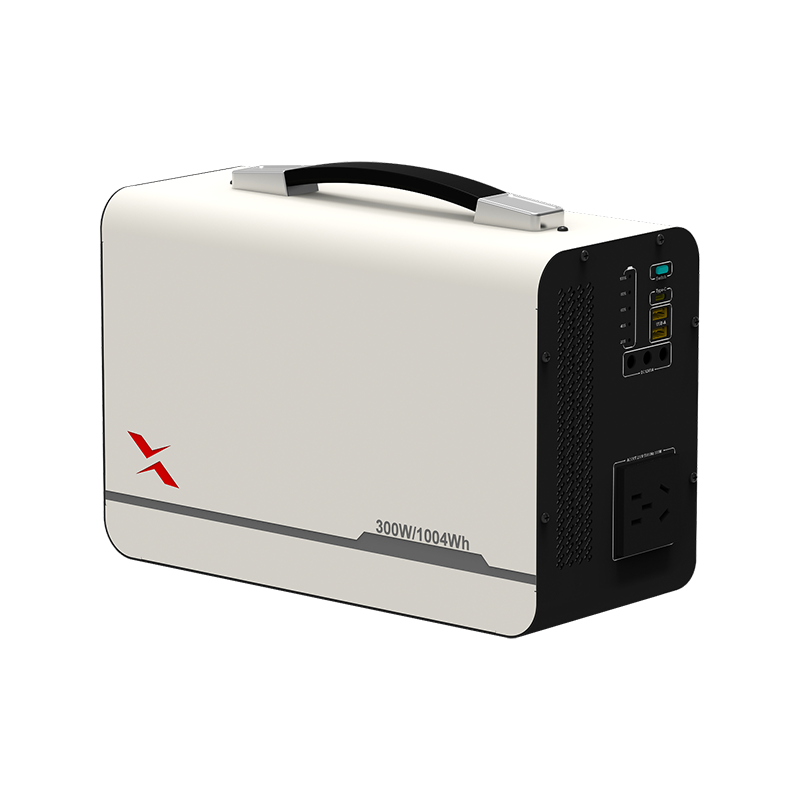
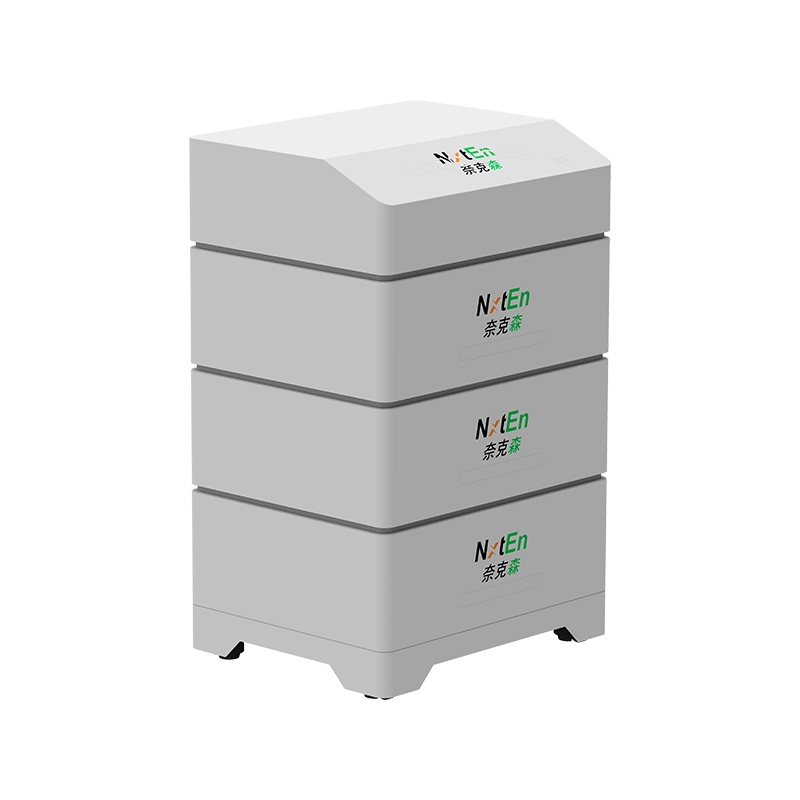
Yes. A portable energy storage pack can provide instant backup power, reduce reliance on fuel generators, and supply clean electricity for outdoor activities, emergency use, and mobile workstations. With capacities ranging from 300Wh to over 3000Wh, modern units can power refrigerators, laptops, lighting systems, and even power tools. Below, we explore how they work, what benefits they offer, and how to choose the right model.
A portable energy storage pack is a rechargeable battery system with built-in inverters, charging controllers, and multiple output ports. It stores electrical energy and delivers AC and DC power when needed.
Most high-quality units support wall charging, car charging, and solar panel input, allowing flexible energy replenishment in various environments.
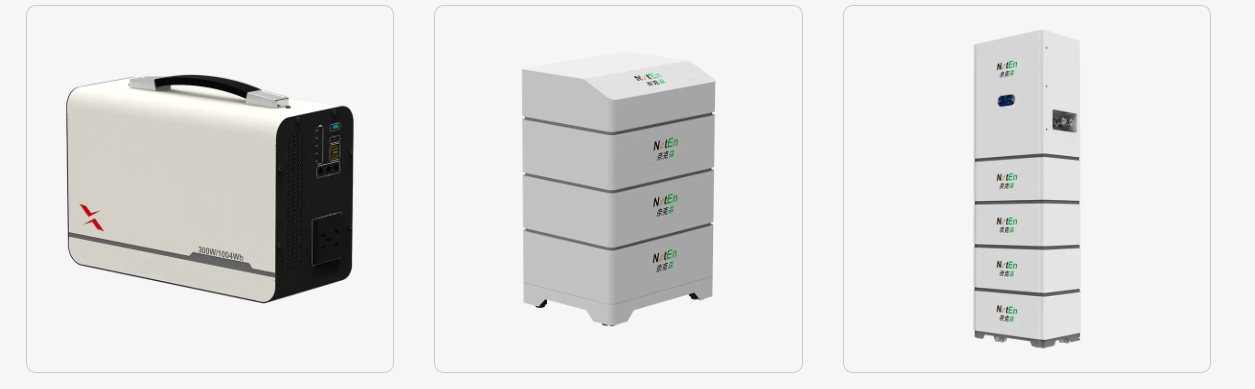
Compared to fuel generators, battery-powered systems offer silent operation, zero emissions, and lower maintenance costs.
| Feature | Energy Storage Pack | Gas Generator |
|---|---|---|
| Noise Level | Below 40 dB | 70–90 dB |
| Maintenance | Minimal | Oil and fuel servicing |
| Emission | Zero | CO and exhaust gases |
Users report up to 40% lower long-term operating costs when switching from fuel generators to battery-based power stations.
Choosing the correct capacity depends on your usage scenario. Capacity is measured in watt-hours (Wh), which indicates how much energy the unit can store.
For home backup, most households choose 1000Wh to 2000Wh models to maintain essential loads during outages.
Not all portable energy storage packs offer the same performance and safety standards.
Their portability and silent operation make them suitable for many real-world scenarios.
In disaster-prone regions, households equipped with portable power stations report up to 60% faster recovery of basic utilities after outages.
Most lithium battery units last between 5 to 10 years, depending on battery chemistry and usage frequency.
Yes. Many models support MPPT solar charging controllers, allowing efficient energy harvesting from solar panels.
Yes. Unlike fuel generators, portable energy storage packs produce no exhaust fumes and are safe for indoor operation.
High-capacity models with 2000W–3000W inverter output can power microwaves, coffee machines, and power tools, provided surge ratings are supported.

 +86-0574-62165160
 +86-18958222822
 No. 95-1, South Guangming Road, Simen Town, Yuyao City, Zhejiang Province, China

