English
 русский
Industry News
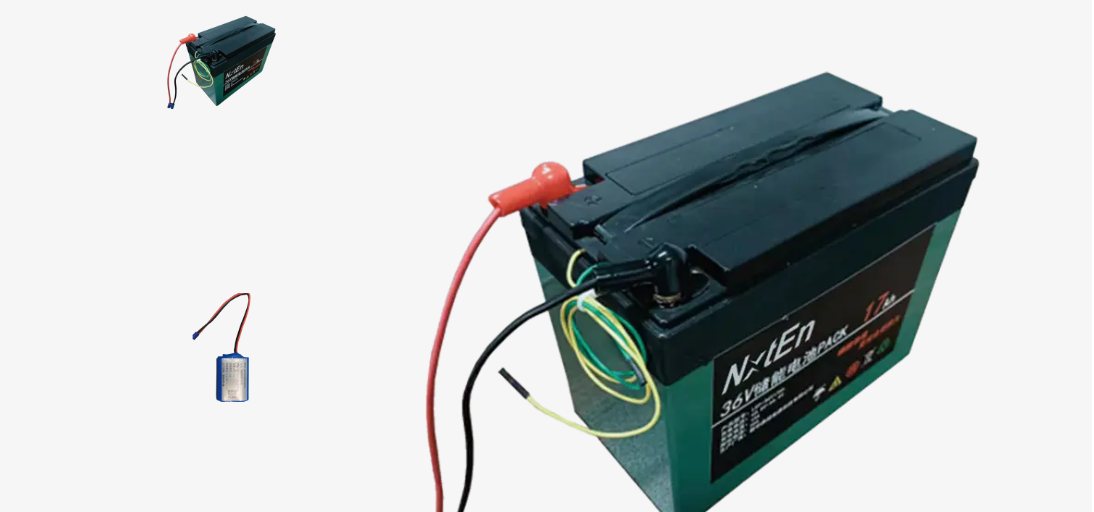
Emergency system batteries play a crucial role in various critical systems, especially in ensuring the normal operation of equipment, providing backup power, and ensuring that equipment is not affected by power outages in emergencies. Emergency batteries are typically designed to provide short-term power support when the main power supply fails, so their reliability and health directly relate to the safety and functionality of the system.
However, many users may neglect the regular testing and inspection of emergency batteries, believing that as long as the battery is working well in the system, there is no need to pay special attention to its maintenance. In fact, regular testing and inspection are crucial for ensuring that emergency batteries can function when needed.
1. Why do emergency batteries need regular testing and inspection?
(1) Emergency Battery Aging
Like other types of batteries, emergency batteries also age over time. The chemical composition of the battery gradually degrades with increasing charge and discharge cycles, leading to a decrease in battery capacity and even the inability to provide sufficient power when needed. Without regular testing and inspection, users may find that the battery cannot provide the necessary power support in an emergency, leading to serious safety problems.
(2) Uncertainty of Battery Performance
Even if the emergency battery is in a "standby" state during normal operation, it may be affected by factors such as temperature changes, humidity, and equipment aging, leading to a gradual decline in battery performance. Without regular inspections, it is difficult to detect these potential problems, and the battery may fail to perform its intended function in an emergency.
(3) Extending Battery Life
Regular inspection and maintenance can promptly identify problems with the battery and battery management system, preventing premature battery failure. Through effective testing and maintenance measures, the service life of emergency batteries can be extended, reducing unnecessary replacement costs and downtime.
(4) Avoiding Safety Hazards Caused by Battery Failure
In many application scenarios, emergency batteries are not just a power reserve tool; they also involve safety protection. If the battery fails at a critical moment, it may cause equipment to stop operating or even trigger accidents such as fires. Regular testing can promptly detect battery failures and reduce these safety hazards.
2. Common Problems with Emergency Batteries
Regular testing and inspection can help identify the following common battery problems:
(1) Capacity Degradation
With increased use, the storage capacity of emergency batteries gradually decreases, resulting in insufficient effective power during actual use. Through regular testing, changes in battery capacity can be detected, and it can be determined whether the battery can still meet the system's needs.
(2) Unstable Battery Voltage
Fluctuations in battery voltage can be an indicator of battery aging, improper charging, or a malfunction in the battery management system. Unstable voltage can prevent the battery from providing a stable power supply, affecting the normal operation of the system.
(3) Overheating Issues
Batteries generate heat during charging and discharging. Overheating can lead to battery damage, reduced lifespan, and even fire. Regular inspections can help detect battery overheating problems and allow for timely corrective action.
(4) Leakage
Some types of batteries (such as lead-acid batteries) may experience leakage. Electrolyte leakage can corrode the internal structure of the battery, and in severe cases, render the battery unusable. Leakage problems must be detected and addressed early to prevent further damage.
3. How to Verify and Test Emergency Batteries?
Emergency battery testing typically includes the following steps:
(1) Battery Capacity Testing
Battery capacity testing is one of the most common testing methods. By simulating the actual load on the battery in an emergency situation, the test measures the duration for which the battery can continuously supply power during discharge, thereby determining whether the battery capacity meets the requirements. Regular capacity testing helps to assess the battery's health and ensure that the battery can provide sufficient power during a power outage.
(2) Battery Voltage Detection
Monitoring battery voltage helps to detect changes in battery performance. By measuring the battery voltage and comparing it to the rated voltage, it is possible to determine whether the battery is experiencing voltage drop or fluctuations. Battery voltage checks are usually performed using a battery management system (BMS) or a multi-functional testing instrument.
(3) Charging and Discharging Cycle Testing
By performing a complete charging and discharging cycle test on the battery, it is possible to determine whether the battery can maintain normal charging and discharging processes. By observing indicators such as charging speed and discharge time, the overall performance of the battery can be evaluated.
(4) Internal Resistance Testing
Internal resistance is an important indicator of battery health. High internal resistance can lead to battery overheating and decreased capacity. Regularly testing the battery's internal resistance can help detect signs of declining battery performance in a timely manner. Generally, batteries with high internal resistance should be replaced preemptively to prevent failure during emergencies.
(5) Visual Inspection and Leakage Check
Regularly inspect the battery's appearance, especially for signs of leakage, corrosion, or damage. If cracks, leaks, or other problems are found in the battery casing, the battery should be immediately taken out of service and replaced.
4. Maintenance and Care of Emergency Batteries
In addition to regular testing and calibration, daily maintenance and care are also very important. Here are some basic suggestions for battery maintenance:
Keep dry and clean: Emergency batteries should be placed in a dry, well-ventilated environment, avoiding moisture and dust accumulation. Keeping the battery exterior clean can prevent conductive substances from damaging the battery.
Proper charging: Avoid overcharging or over-discharging; appropriate charging cycles can extend the battery's lifespan.
Monitor battery status: Using a battery management system (BMS) allows for real-time monitoring of the battery status, enabling timely detection of battery abnormalities and preventing problems from escalating.
Regular battery replacement: Although batteries have a certain lifespan, if the battery capacity drops significantly or a malfunction occurs, it should be replaced promptly to ensure the normal operation of the emergency system.