English
 русский
Industry News
Against the backdrop of the accelerating global energy transition, energy storage systems are becoming a crucial part of the new energy system. Whether it's energy storage for residential solar power systems, peak shaving and load shifting in commercial and industrial settings, or even large-scale industrial and grid-side applications, lithium-ion energy storage batteries are gradually becoming the mainstream choice.
So, what core performance characteristics allow lithium-ion energy storage batteries to achieve such widespread coverage, from residential to industrial applications?
1. Advantages and Characteristics of Lithium-ion Energy Storage Batteries
The ability of lithium-ion batteries to adapt to various energy storage scenarios stems primarily from their comprehensive performance advantages.
(1) High Energy Density, Saving Space and Cost
Compared to traditional lead-acid batteries, lithium-ion energy storage batteries have a higher energy density. Under the same capacity conditions, they are smaller and lighter, a characteristic that is particularly important in space-constrained residential, commercial buildings, and containerized energy storage systems.
(2) Wide Operating Temperature Range
Advanced lithium-ion energy storage systems can operate stably over a wide temperature range, adapting to high temperatures, low temperatures, and environments with large day-night temperature differences. This allows them to be deployed indoors, outdoors, and in a variety of complex operating conditions, significantly increasing application flexibility.
(3) High Power Output and Fast Response
Lithium-ion batteries have excellent rate performance, enabling fast charging and discharging. This is particularly crucial for industrial equipment, power regulation, and emergency backup power systems that require instantaneous high-power output.
(4) Long Cycle Life and Low Maintenance Costs
Through optimized cell materials and battery management systems (BMS), modern lithium-ion energy storage batteries can achieve thousands of charge-discharge cycles, significantly reducing the total cost of ownership, making them particularly suitable for long-term energy storage projects.
(5) Multi-level Safety Protection Mechanisms
From cell structure design to system-level monitoring, lithium-ion energy storage batteries are typically equipped with multiple protection measures against overcharging, over-discharging, overcurrent, and overtemperature, effectively ensuring system safety and stability.
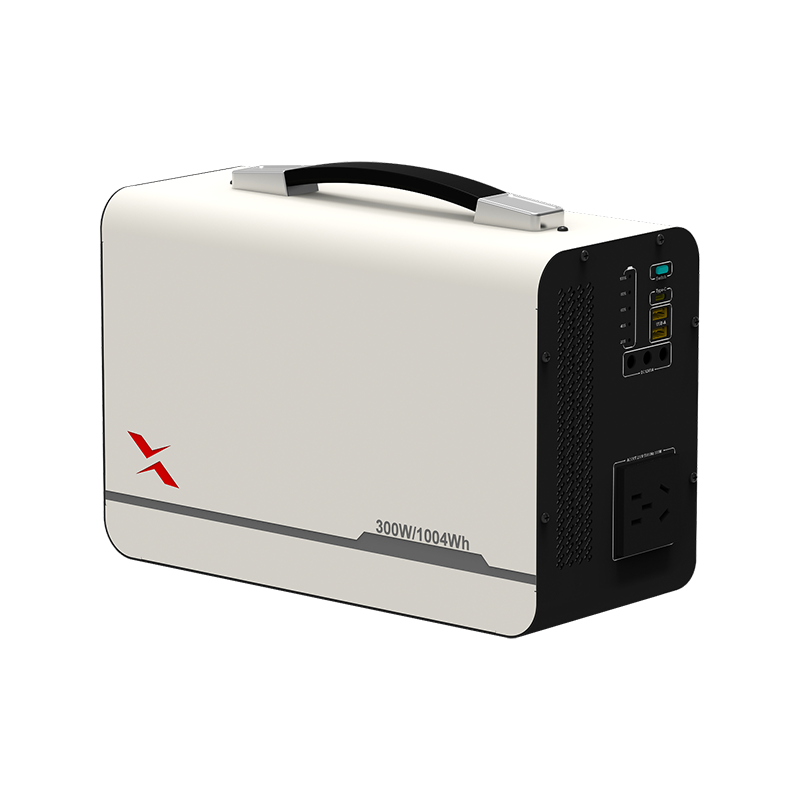
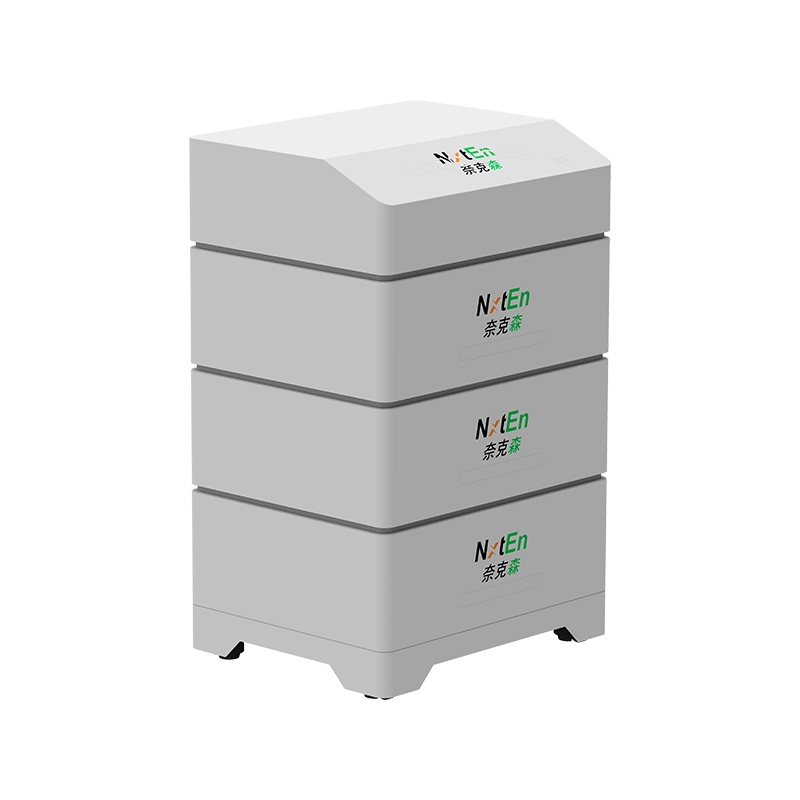
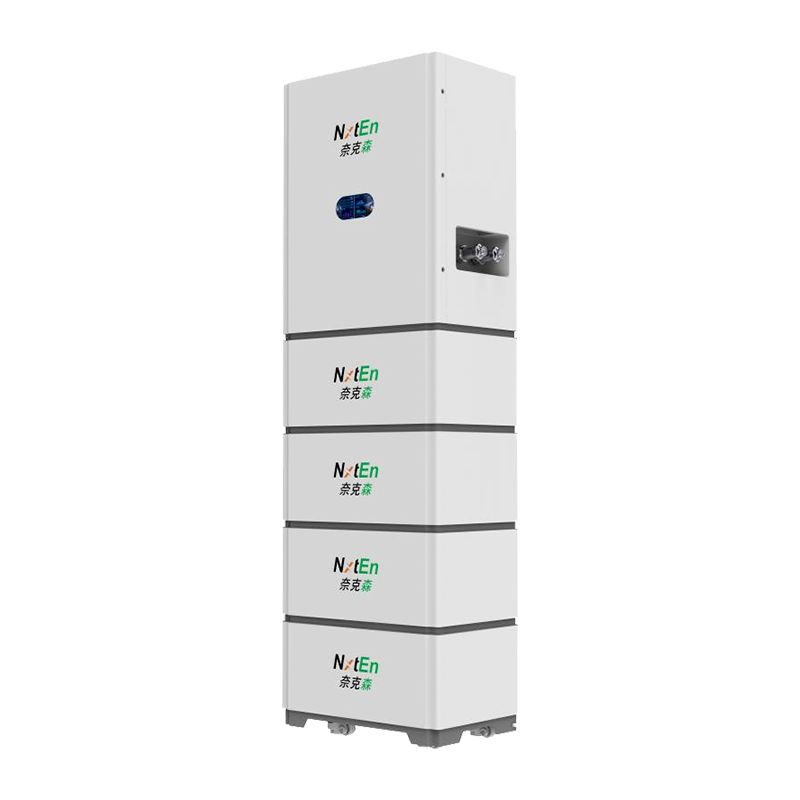
2. Residential Energy Storage Scenarios: Enhancing Household Energy Self-Sufficiency
In residential applications, lithium-ion energy storage batteries are typically used in conjunction with photovoltaic systems. Their core value lies in the following aspects:
Storing surplus electricity generated by solar panels during the day for use at night or during cloudy/rainy weather.
Optimizing household electricity costs in areas with significant peak and off-peak price differences.
Providing emergency power during power outages, improving power supply reliability.
Due to the high demands on noise, safety, and space utilization in residential settings, lithium-ion energy storage batteries, with their high energy density, low maintenance, and intelligent management features, are a more suitable solution.
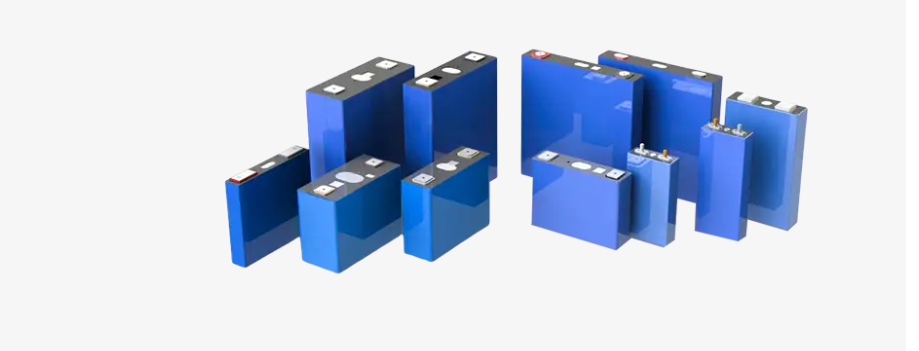
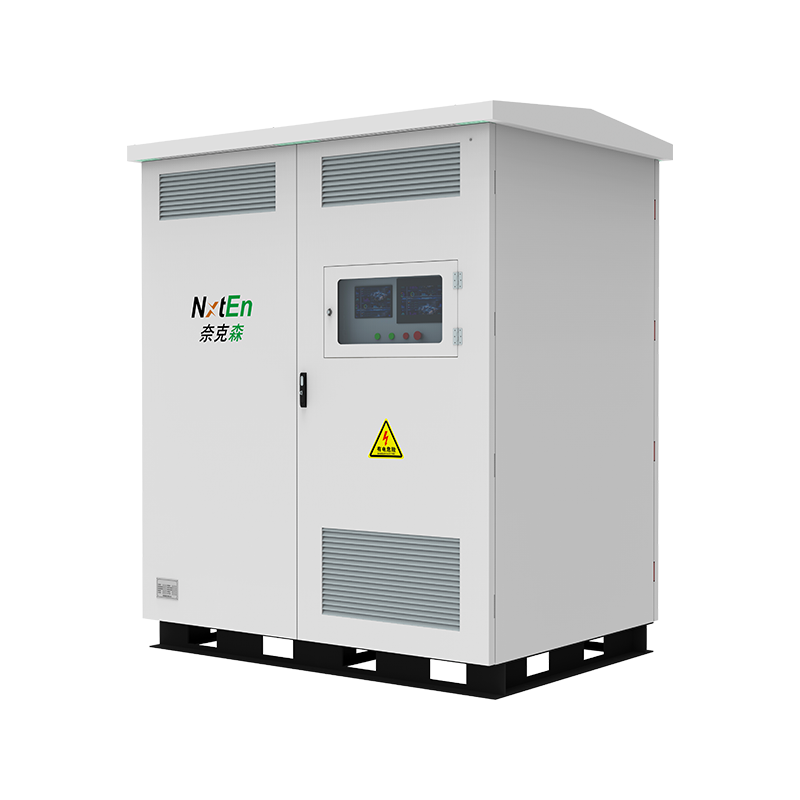
3. Commercial and Industrial Energy Storage Applications: Optimizing Energy Structure and Costs
In the commercial and industrial sectors, the application of lithium-ion energy storage batteries focuses more on economic efficiency and system scheduling capabilities:
Peak shaving and valley filling: Charging during off-peak hours and discharging during peak hours to reduce electricity costs.
Load management: Balancing power fluctuations and reducing reliance on grid capacity.
Backup power: Providing stable power supply for critical equipment and production lines.
Commercial and industrial energy storage systems are usually larger in scale and require higher power output and reliability. The modular design of lithium-ion batteries allows for flexible expansion of system capacity and power, meeting the differentiated needs of various industries.
4. Large-Scale Industrial and Grid-Side Applications: Supporting Stable Operation of Energy Systems
In industrial and grid-side applications, lithium-ion energy storage batteries play a greater role in power regulation and system stability:
Mitigating the intermittency and volatility of renewable energy generation.
Providing frequency regulation and voltage support.
Acting as an emergency energy storage unit to improve the reliability of the power supply system.
In these scenarios, energy storage systems often need to operate for extended periods in complex environments. The wide temperature adaptability, high reliability, and comprehensive monitoring system of lithium-ion energy storage batteries enable them to meet stringent industrial standards and operating requirements.
5. Why Can Lithium-Ion Energy Storage Batteries Achieve "Multi-Scenario Versatility"?
The key reasons why lithium-ion energy storage batteries can cover applications from residential to industrial levels are:
Performance parameters can be flexibly adjusted through system design.
Modular structure adapts to different scale requirements.
Safety and lifespan indicators meet long-term operation requirements.
Highly compatible with intelligent energy management systems.
This allows the same technology route, through different configuration schemes, to serve multi-level and multi-purpose energy storage markets. As the penetration rate of new energy sources continues to increase, the importance of energy storage systems will steadily grow. Lithium-ion energy storage batteries, with their high energy density, wide operating temperature range, high power output, multi-level safety protection, and long cycle life, have become a crucial link connecting power generation, power consumption, and the power grid.