English
 русский
Industry News
Lithium batteries outperform alkaline batteries in almost every metric that matters for an energy storage pack, including energy density, cycle life, discharge stability, and long-term cost per kilowatt-hour. Alkaline batteries are single-use, low-cost cells best suited to light, short-term drain devices such as remote controls or flashlights. Lithium batteries, particularly lithium iron phosphate (LiFePO4) cells used in modern energy storage pack systems, are rechargeable, deliver stable voltage under heavy load, and can be cycled thousands of times without significant capacity loss. For any application involving solar storage, backup power, or repeated daily use, lithium chemistry is the technically and economically superior choice.
Core Chemistry and Performance Differences
Alkaline batteries use a zinc-manganese dioxide chemistry with a potassium hydroxide electrolyte. This design is inexpensive to manufacture but suffers from a steadily declining voltage curve as the cell discharges, which means devices can lose performance well before the battery is technically "empty." Alkaline cells are also non-rechargeable, so every discharge cycle ends in disposal.
Lithium batteries, by contrast, rely on lithium-ion or lithium iron phosphate chemistry that maintains a flat, stable voltage output for most of the discharge curve. This means connected equipment receives consistent power until the cell is nearly depleted. LiFePO4 cells in particular are valued for their thermal stability and long service life, which is why they form the backbone of most commercial and residential energy storage pack products today.
Energy Density and Cycle Life Comparison
The gap between the two chemistries becomes clear when key specifications are placed side by side. Energy density determines how much power a battery can store relative to its size and weight, while cycle life determines how many times it can be recharged before capacity drops below a usable threshold.
| Parameter | Alkaline Battery | Lithium Battery (LiFePO4) |
|---|---|---|
| Rechargeable | No | Yes |
| Typical Cycle Life | Single use | 3,000 - 6,000+ cycles |
| Voltage Stability | Declines steadily during discharge | Flat and stable for most of the cycle |
| Operating Temperature Range | Moderate, performance drops in cold | Wide, with strong thermal stability |
| Suitable for Storage Systems | Not practical | Industry standard choice |
Because an energy storage pack is expected to charge and discharge on a daily basis for many years, the thousands of usable cycles offered by lithium chemistry make it the only realistic option at scale. Alkaline cells were never designed for repeated cycling and would need constant replacement, generating both cost and waste.
Why Energy Storage Pack Systems Rely on Lithium Batteries
Residential solar systems, commercial backup power, and grid-connected storage all depend on batteries that can absorb and release energy predictably over long periods. An energy storage pack built on lithium iron phosphate cells typically offers the following advantages over disposable alkaline alternatives:
- Higher usable capacity in a smaller footprint, reducing installation space
- Consistent power delivery that protects sensitive electronics from voltage sag
- A long service life that can span a decade or more of daily cycling
- Built-in battery management systems that monitor temperature, voltage, and current
- Lower total waste generation compared with repeatedly discarded single-use cells
These characteristics are why manufacturers of solar and storage equipment, including energy storage pack product lines built around UL and IEC certified lithium modules, have standardized on lithium chemistry rather than alkaline cells for anything beyond small portable electronics.
Cost Considerations Over the Full Lifecycle
Upfront Price vs Long-Term Value
Alkaline batteries are cheaper per unit, which makes them attractive for occasional, low-drain use. However, the calculation changes completely once repeated charging is involved. A single lithium cell replacing thousands of disposable alkaline batteries over its service life almost always results in a lower cost per cycle, even though the initial purchase price is higher.
Maintenance and Replacement Frequency
Alkaline batteries in continuous-use devices need frequent replacement, which adds labor, logistics, and disposal costs over time. Lithium-based energy storage pack systems, by comparison, are designed for minimal maintenance and can often be monitored remotely through a battery management system, reducing the need for manual inspection.
Safety and Environmental Factors
Alkaline batteries can leak potassium hydroxide if left depleted for long periods, which may damage connected equipment. Lithium iron phosphate batteries are widely recognized for their chemical stability and lower risk of thermal runaway compared with other lithium chemistries, which is one reason LiFePO4 has become the preferred choice for stationary energy storage pack applications where safety certification is a priority.
From an environmental standpoint, a rechargeable lithium battery replaces hundreds to thousands of disposable alkaline cells over its lifetime, significantly reducing landfill waste. Proper end-of-life recycling programs for lithium batteries further support responsible material recovery.
Choosing the Right Battery for Your Application
The right chemistry depends entirely on the use case. The following guidance can help match battery type to application:
- Choose alkaline batteries for infrequent, low-power devices where replacement cost is negligible and rechargeability is not required.
- Choose lithium batteries for any system requiring daily cycling, such as solar storage, backup power, or an energy storage pack integrated into a home or commercial energy system.
- Prioritize LiFePO4 chemistry specifically when safety certification, thermal stability, and long cycle life are required for stationary installations.
- Evaluate total lifecycle cost rather than upfront price alone when comparing options for continuous-use equipment.
NxtEn's Approach to Lithium Energy Storage Pack Solutions
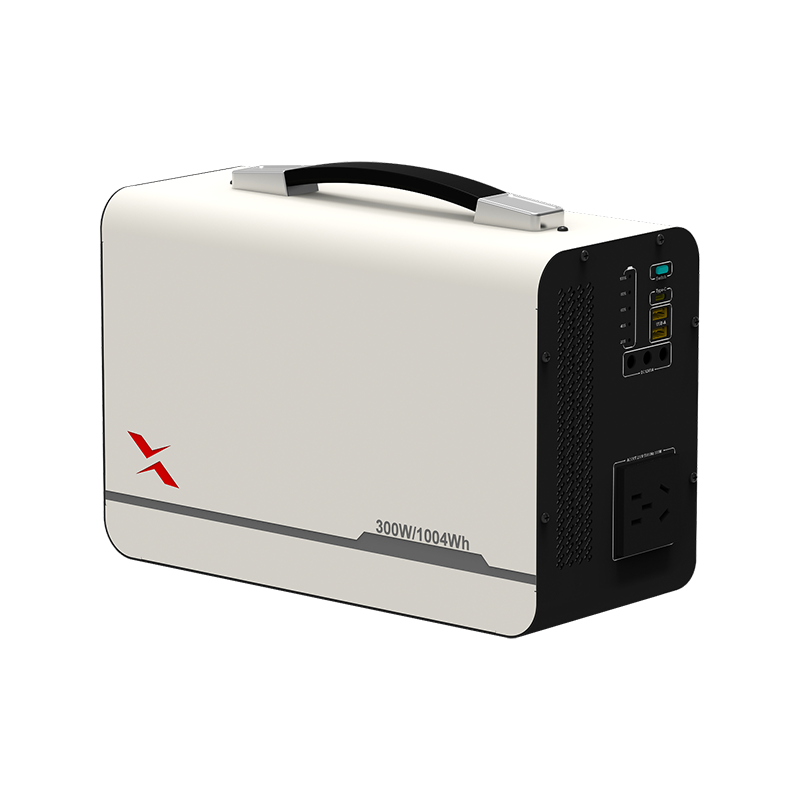
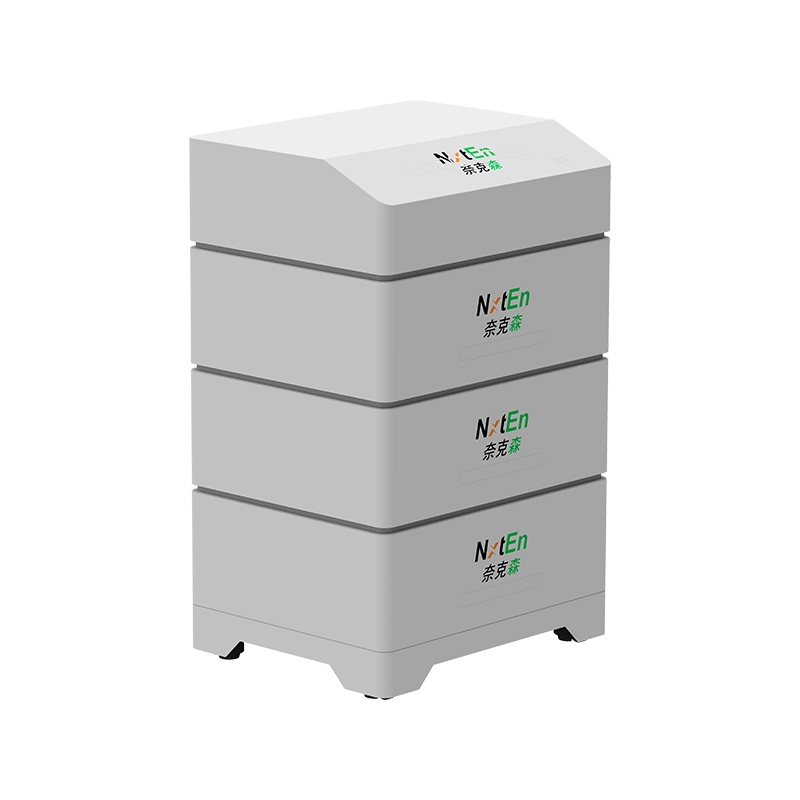
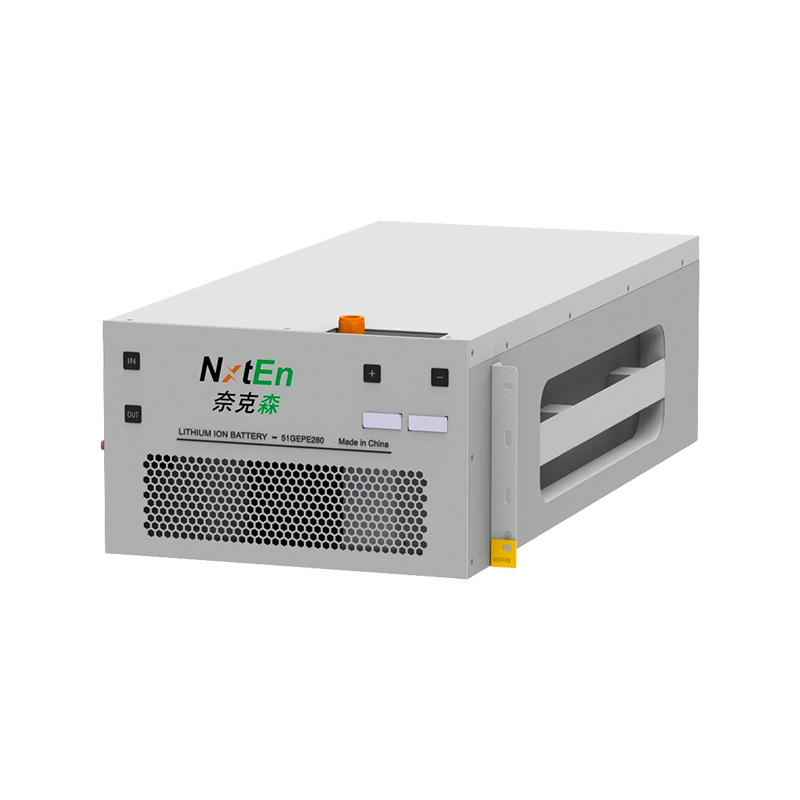
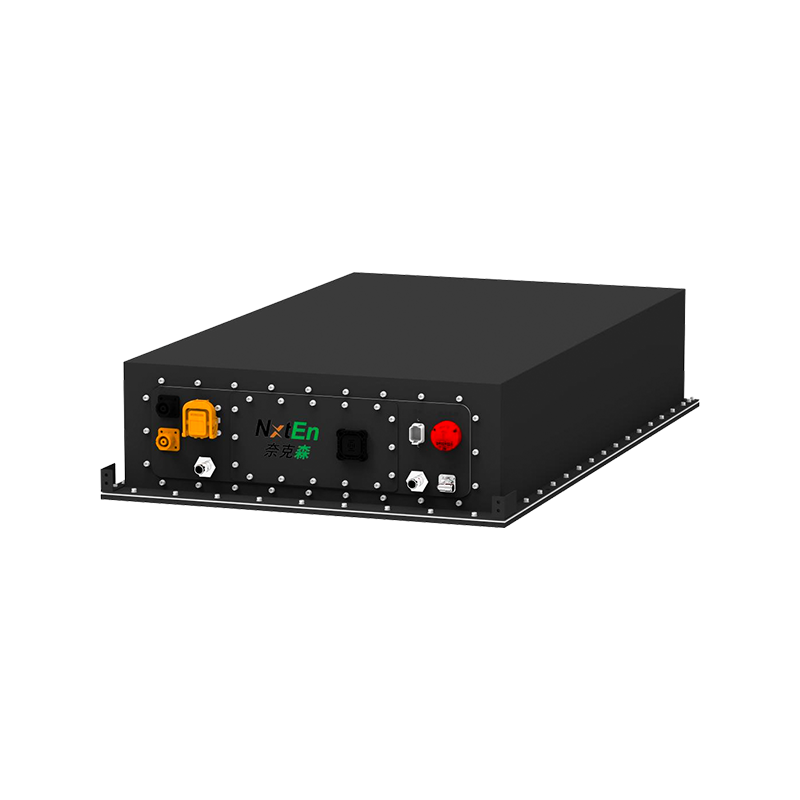
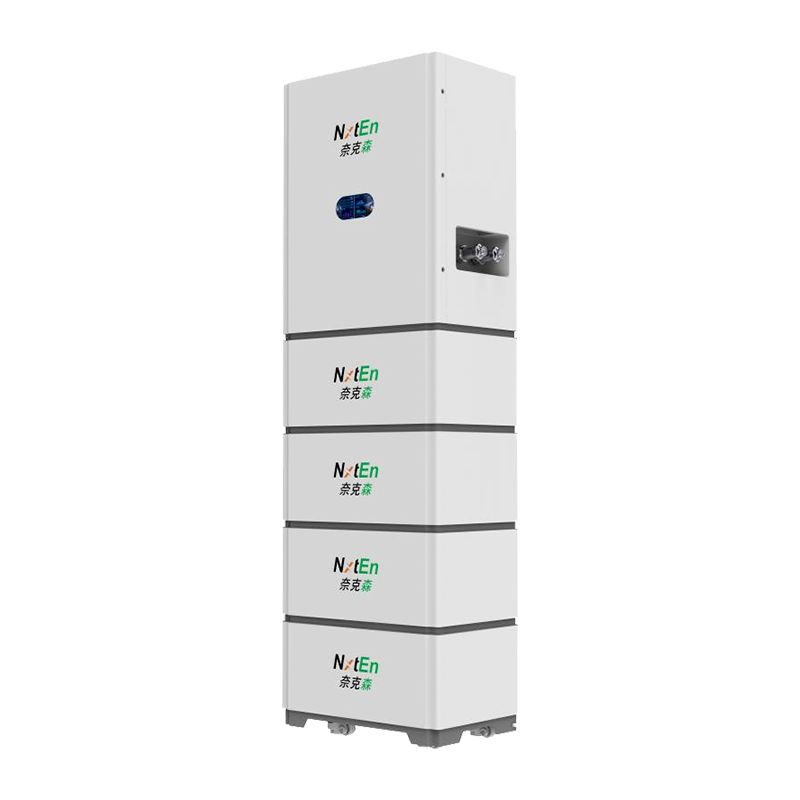
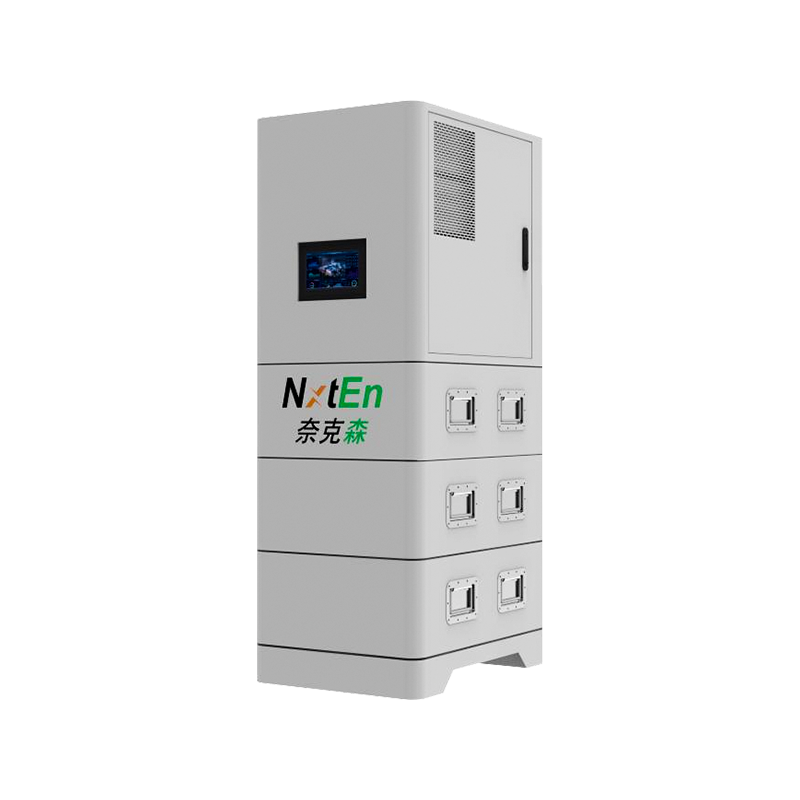
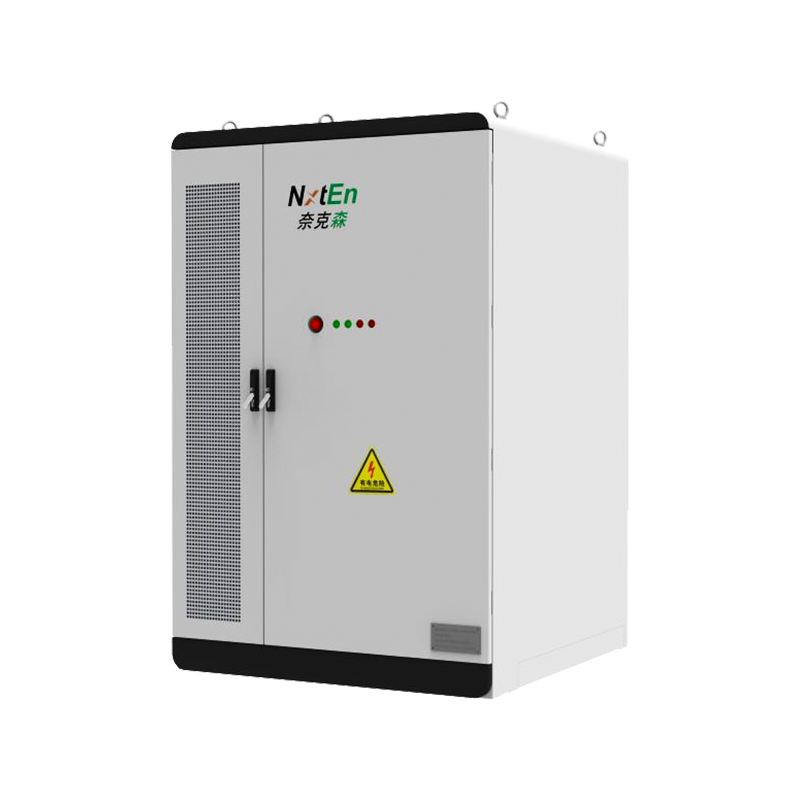
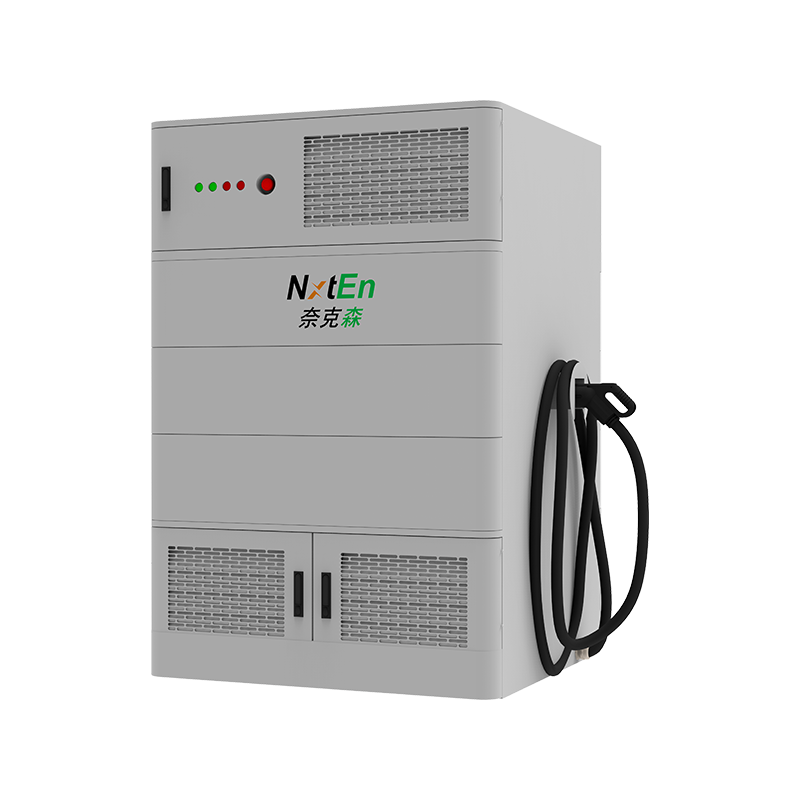
NxtEn designs and manufactures lithium iron phosphate energy storage pack products built to UL and IEC certification standards, drawing on an integrated supply chain rooted in China's new energy manufacturing base. Each pack is engineered for stable voltage output, long cycle life, and safe operation across a wide range of climates, making it suitable for residential, commercial, and industrial storage applications where alkaline batteries would be impractical.
Customers evaluating storage solutions can review NxtEn's full lithium battery pack lineup, including cell specifications, certifications, and configuration options, on the company's product page to determine the best fit for their specific energy requirements.