English
 русский
Industry News
A battery energy storage system works by converting electrical energy into stored chemical energy inside energy storage battery cells, then converting it back into usable electricity on demand through a battery management system, a power conversion system, and an inverter. During charging, incoming AC power from the grid or a solar array is converted to DC and pushed into the cells, where a chemical reaction stores that energy. During discharge, the reaction reverses, the cells release stored energy as DC power, and the inverter converts it back to AC for use by appliances, equipment, or the grid.
The rest of this guide breaks the system down into its core components, explains how energy storage battery cells are grouped into modules and packs, and covers the practical factors that determine how well a battery energy storage system performs over its service life.
The Core Components That Make Up a Battery Energy Storage System
A battery energy storage system is not a single device but a coordinated stack of hardware and control software. Each layer has a distinct job, and the system only performs as well as its weakest link.
Energy Storage Battery Cells
The cell is the basic building block where the actual chemical energy storage happens. Lithium iron phosphate, commonly abbreviated LFP, has become the dominant chemistry choice for stationary storage because of its stability and long cycle life compared to older nickel-based chemistries.
Battery Modules and Packs
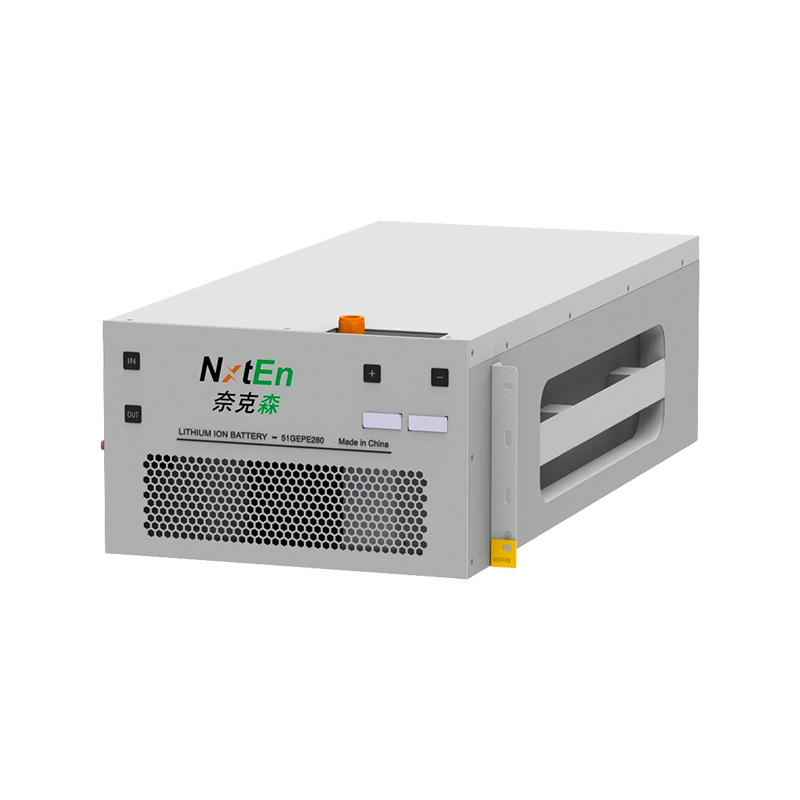
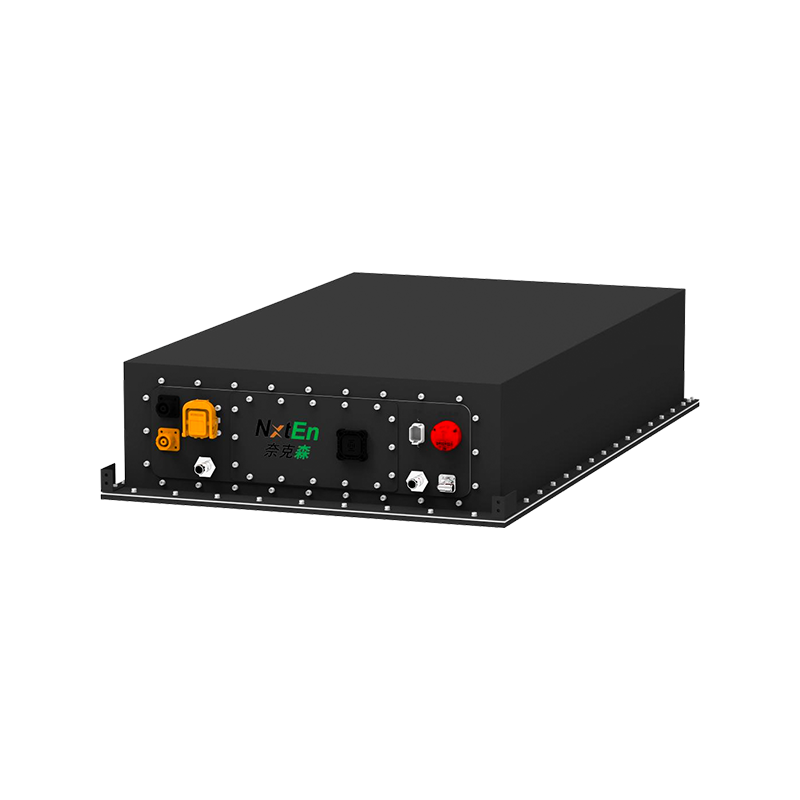
Individual cells are connected in series and parallel arrangements to form modules, and modules are then combined into packs to reach the voltage and capacity a project requires. This layered structure lets manufacturers scale the same base cell design from a small residential unit up to a container-sized industrial system.
Battery Management System
The battery management system, usually shortened to BMS, continuously tracks voltage, current, and temperature across every cell in the pack. It protects the system by stopping charging or discharging if a cell moves outside safe limits, and it balances charge levels across cells so no single cell is overworked while others sit underused.
Power Conversion System and Inverter
The power conversion system manages the flow of energy between the battery pack and the outside electrical circuit, while the inverter handles the conversion between the DC power stored in the cells and the AC power used by homes, factories, or the grid.
Thermal Management
Battery cells generate heat during both charging and discharging, and that heat needs to be removed evenly to prevent premature aging. Air-cooled designs circulate ambient or conditioned air across the pack, while liquid-cooled designs circulate coolant through sealed plates or pipes in direct contact with the cells, which generally holds a tighter temperature spread across the pack than air cooling alone.
Following the Energy Path Through a Full Charge and Discharge Cycle
Understanding a battery energy storage system is easiest by tracing what happens to the electricity as it moves through the system in each direction.
- Incoming AC power from the grid, a generator, or a solar inverter reaches the power conversion system.
- The power conversion system rectifies that AC power into DC power suited to charging the battery pack.
- The battery management system routes charging current to the modules while monitoring each cell to keep voltage and temperature within safe operating limits.
- Stored energy sits in the cells until a discharge command is triggered, either by a scheduled program, a grid signal, or a power outage detection.
- During discharge, the cells release DC power, which passes back through the power conversion system and inverter to be converted into usable AC power for the connected load.
Why Cell Chemistry Determines Real-World Performance
Not all energy storage battery cells behave the same way once installed, and chemistry differences show up directly in cycle life, safety margin, and usable capacity.
| Chemistry | Cycle Life to 80 Percent Capacity | Typical Depth of Discharge |
|---|---|---|
| LiFePO4 (LFP) | 4,000 to 6,000 cycles | 80 to 90 percent |
| NMC lithium-ion | 1,500 to 2,500 cycles | 70 to 85 percent |
| Lead-acid | 300 to 700 cycles | 50 percent |
LFP cells generally offer roughly double to triple the cycle life of NMC cells before reaching 80 percent of their original capacity, which is a major reason LFP has become the default choice for stationary energy storage rather than for high energy density applications like electric vehicles where NMC still holds an edge.
Air Cooling Versus Liquid Cooling Inside a Battery Pack
Thermal management design has a direct effect on how consistently a battery energy storage system performs across its rated lifespan, since uneven heat across a pack causes some cells to degrade faster than others.
How Liquid Cooling Improves Consistency
A liquid-cooled system circulates coolant through sealed plates or pipes that stay in direct thermal contact with each cell or module, drawing heat away evenly rather than relying on airflow that can leave pockets of cells warmer than others. Liquid cooling can hold the temperature spread across a battery pack to within roughly 3 degrees Celsius, compared to a spread of 8 to 15 degrees Celsius commonly seen in air-cooled designs.
Why the Difference Matters Over Years of Operation
A tighter temperature spread means the cells inside a pack age at closer to the same rate, which reduces the odds of early individual cell failure and helps the overall pack retain usable capacity for longer. This consistency becomes especially important as project scale grows toward megawatt-hour and gigawatt-hour installations, where the value of extended service life compounds across a much larger capital investment.
How System Scale Changes the Design Priorities
The same core cell technology supports very different product categories once scaled up or down, and the priorities shift depending on where the system sits in that range.
| System Scale | Typical Capacity Range | Primary Design Priority |
|---|---|---|
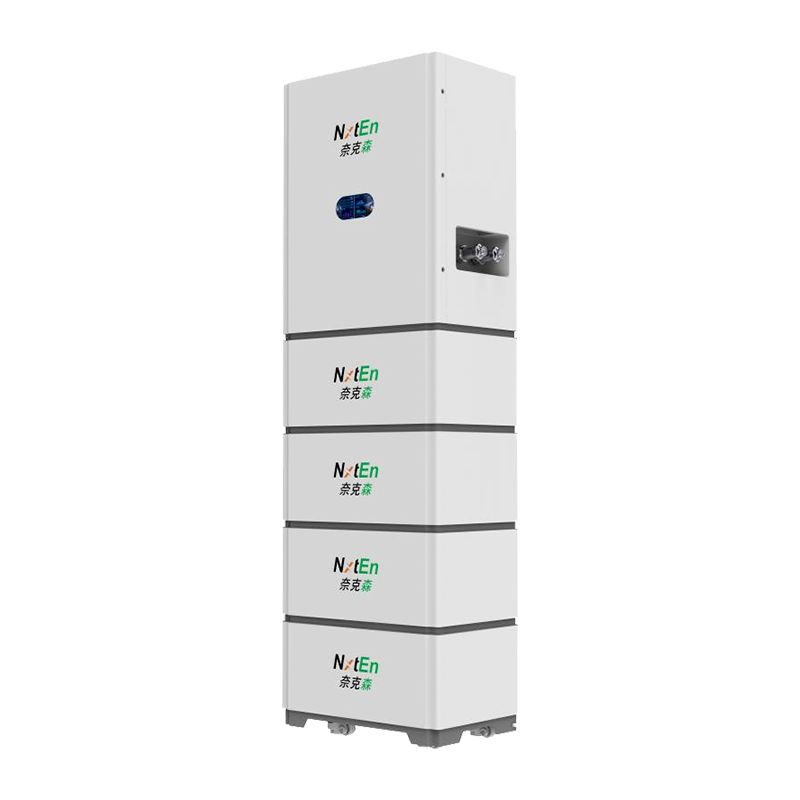
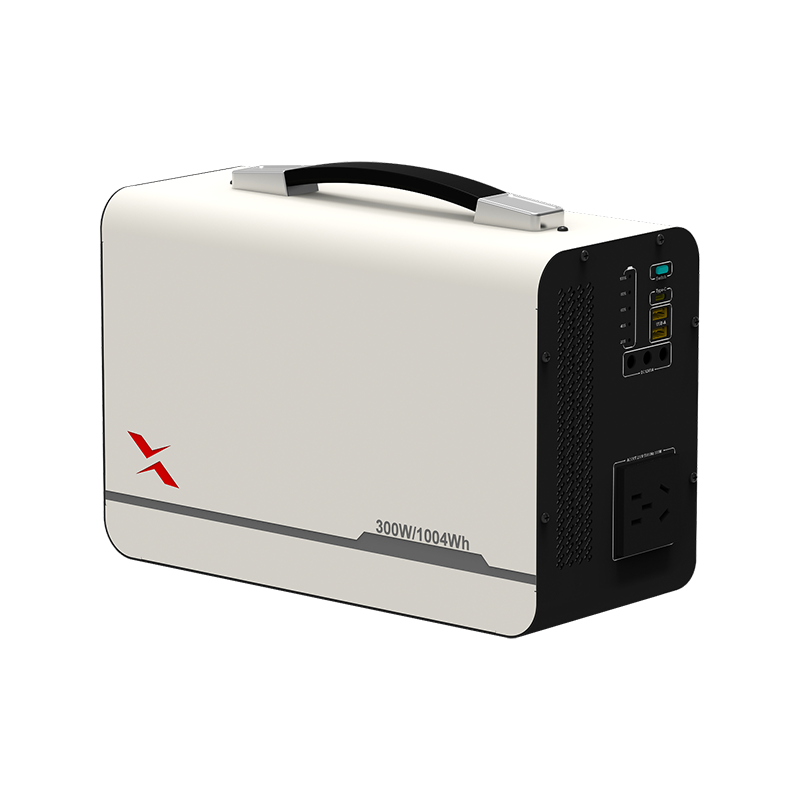
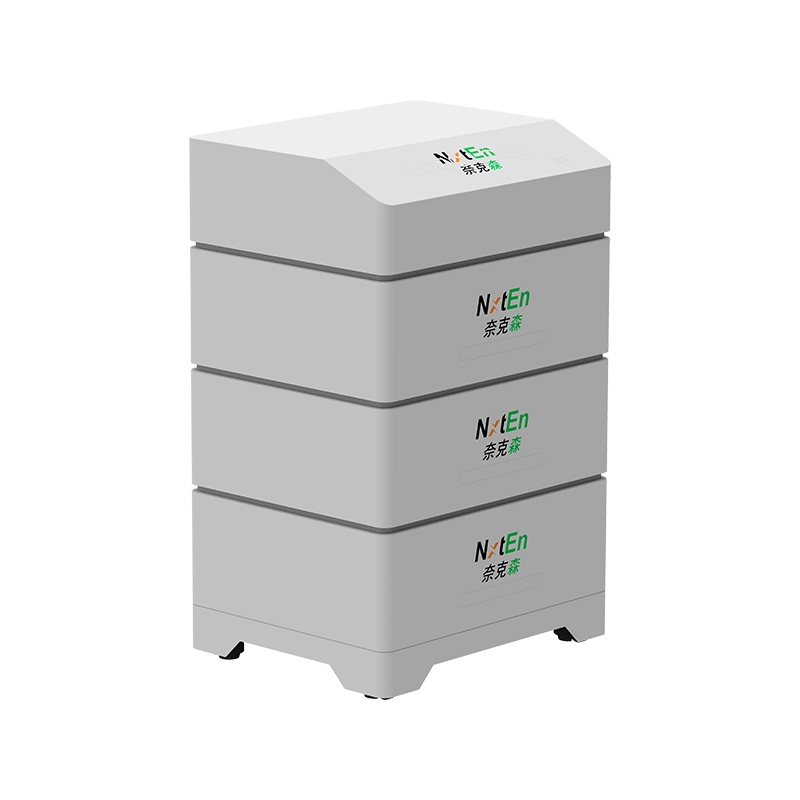
| Residential | 5 to 20 kWh | Compact footprint, quiet operation, simple installation |
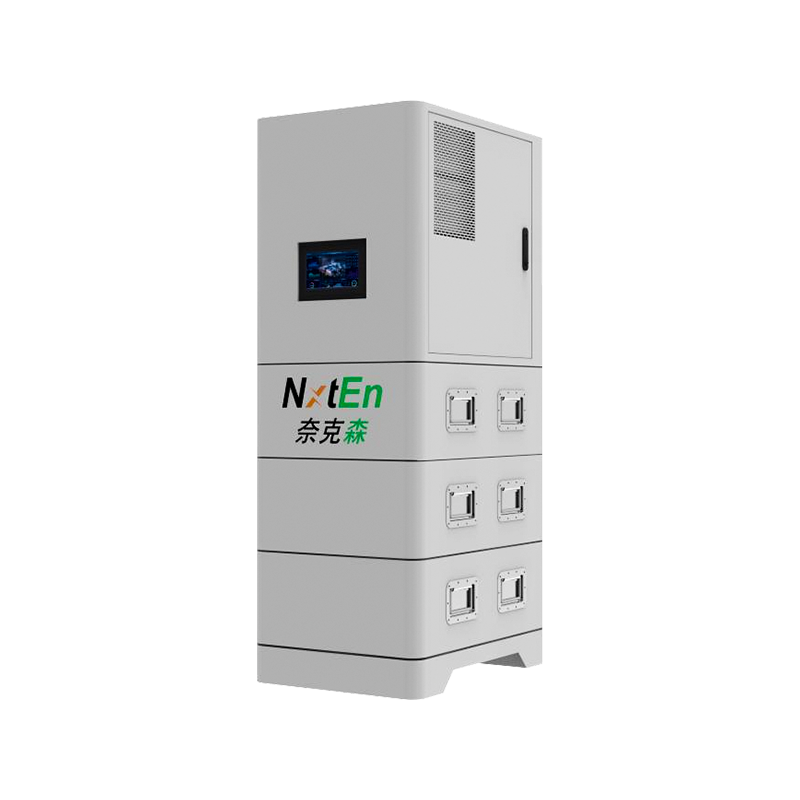
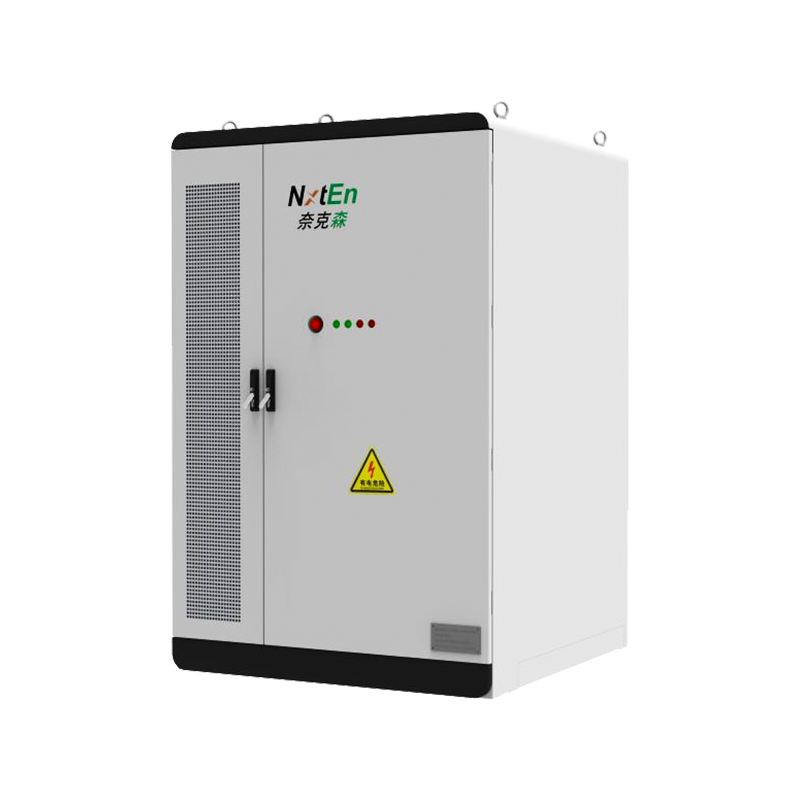
| Commercial and industrial cabinet | 200 to 400 kWh | Peak shaving, outdoor durability, IP-rated enclosure |
| Utility and industrial megawatt scale | Megawatt-hour to gigawatt-hour | Long cycle life, liquid cooling, grid-scale reliability |
Ningbo Nxten Energy Technology Co., Ltd designs across this full range, producing energy storage battery cells, modules, battery packs, and complete systems under a vertically integrated manufacturing structure, which allows consistent cell quality to carry through from small residential packs up to industrial and utility-scale deployments.
Safety Standards That Apply to Energy Storage Battery Cells
Because a battery energy storage system stores a large amount of energy in a compact space, safety validation is a core part of responsible system design rather than an optional add-on.
- IEC 62619 sets international safety requirements for secondary lithium cells and batteries used in stationary applications.
- UL 1973 is the primary United States standard for stationary and motive battery energy storage systems, covering abuse testing such as short circuit, overcharge, and thermal shock.
- UN 38.3 certification is required for the air transport of lithium batteries and matters for any system that needs to be shipped internationally.
- An IP54 rating or higher indicates protection against dust and splashing water, which is important for any pack installed outdoors.
Frequently Asked Questions About How Battery Energy Storage Systems Work
What is the difference between a battery cell, a module, and a pack
A cell is the smallest individual energy storage unit, a module is a group of cells wired together in series and parallel, and a pack is a complete assembly of modules along with the battery management system, wiring, and enclosure needed to function as a standalone storage unit.
Why do most modern battery energy storage systems use LFP cells
LFP cells combine strong thermal stability with long cycle life, typically reaching 4,000 to 6,000 cycles before dropping to 80 percent of original capacity, which makes them well suited to stationary systems that prioritize longevity and safety over the higher energy density that other chemistries offer.
Does a battery energy storage system work without sunlight or a generator
Yes, once charged, a battery energy storage system can discharge stored energy independently of any active generation source, which is exactly what allows it to power a home or facility during a grid outage or a period with no solar production.
How does the battery management system prevent cell damage
The battery management system continuously monitors voltage, current, and temperature at the cell level, and it interrupts charging or discharging automatically if any reading moves outside the safe range, while also balancing charge across cells so no single cell is pushed harder than the rest of the pack.
Is liquid cooling necessary for every battery energy storage system
Not for every system, since smaller residential packs often perform adequately with air cooling, but liquid cooling becomes increasingly valuable as system size grows toward commercial and industrial scale, where tighter temperature control meaningfully extends service life across a much larger capital investment.