English
 русский
Industry News
Yes — a Portable Energy Storage Pack is a reliable choice for home emergency use, provided you select the right capacity and battery chemistry for your needs. Modern units use lithium iron phosphate (LiFePO4) cells rated for 2,000 to 3,500 charge cycles, maintain stable output under load, and include built-in protection circuits that prevent overcharge, over-discharge, and overheating. For households that experience occasional power outages lasting several hours, a well-sized portable pack can keep essential devices running without the noise, fuel cost, or carbon monoxide risk of a conventional generator. The key is understanding what these units can and cannot do — and choosing one that matches your actual emergency power requirements.
What a Portable Energy Storage Pack Actually Delivers
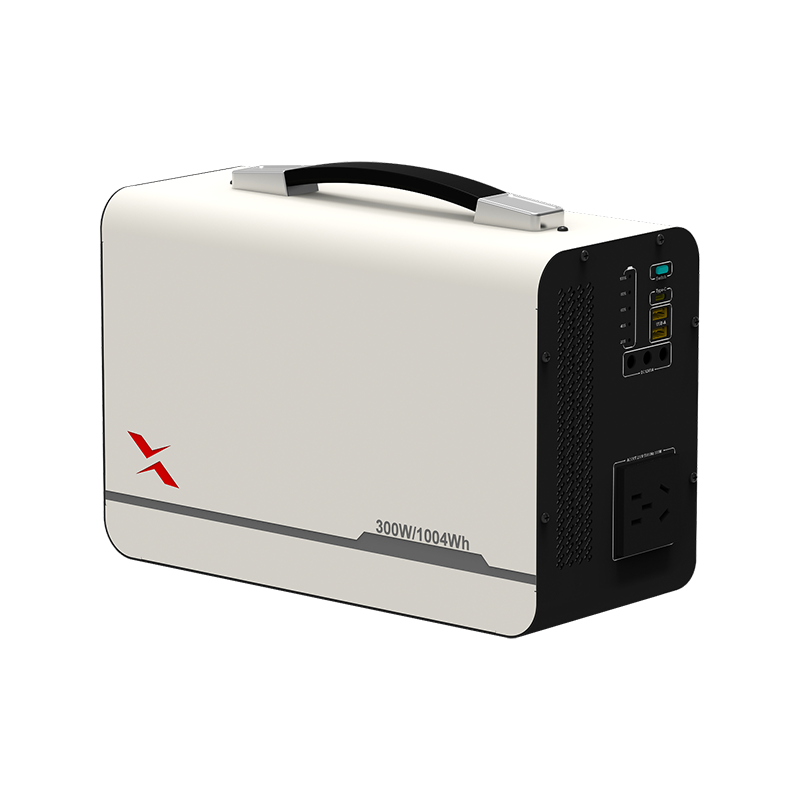
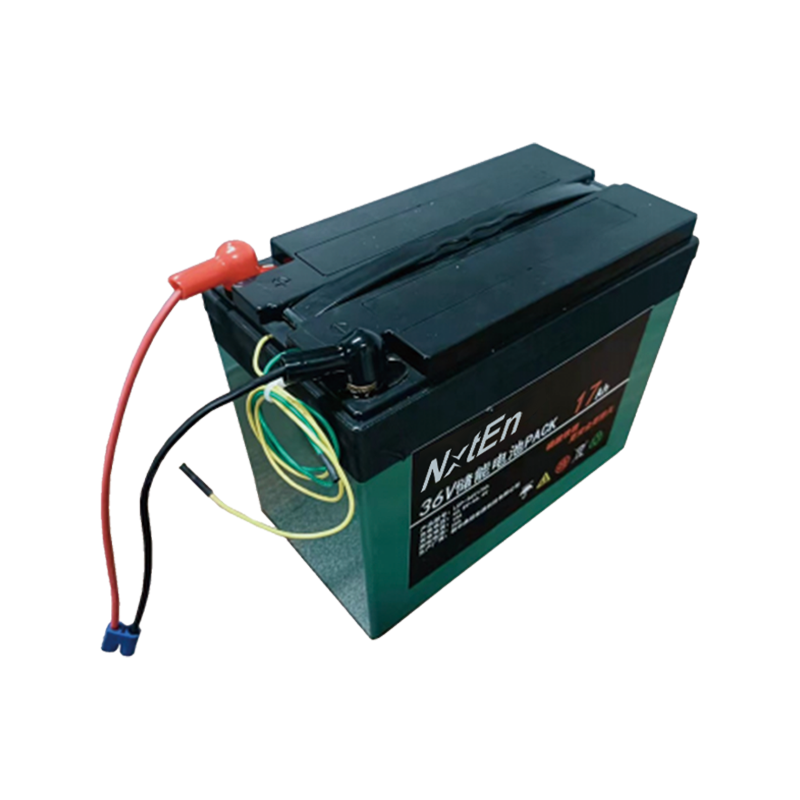
A Portable Energy Storage Pack is a self-contained unit that stores electrical energy in a battery and delivers it through multiple output ports — typically AC outlets, DC ports, USB-A, USB-C, and a 12V car-style socket. Capacity is measured in watt-hours (Wh), which tells you how much total energy the unit can supply before needing a recharge.
To put capacity in practical terms: a 1,000 Wh unit can run a 60W ceiling fan for roughly 16 hours, charge a smartphone approximately 80 to 90 times, or power a 50W CPAP machine for 18 to 20 hours. A larger 2,000 Wh unit can run a mid-size refrigerator for 24 to 36 hours depending on cycling frequency.
Common Output Configurations
- AC outlets (110V/120V) — powers standard household appliances and electronics
- USB-C Power Delivery (up to 100W) — fast-charges laptops, tablets, and phones
- 12V DC output — powers car-compatible devices, fans, and lighting
- Solar input port — allows recharging from solar panels during extended outages
The combination of AC and DC outputs makes these units far more versatile than a standard power bank, which is why an Emergency Portable Energy Pack has become a practical household preparedness tool rather than just a camping accessory.
Battery Chemistry and Why It Determines Long-Term Reliability
The single most important factor in the reliability of a Portable Energy Storage Pack is the battery chemistry inside. Two types dominate the current market: NMC (lithium nickel manganese cobalt) and LiFePO4 (lithium iron phosphate). Each has meaningful trade-offs for emergency home use.
| Feature | NMC (Lithium NMC) | LiFePO4 (Lithium Iron Phosphate) |
|---|---|---|
| Cycle life | 500–800 cycles | 2,000–3,500 cycles |
| Thermal stability | Moderate | High |
| Energy density | Higher (lighter unit) | Lower (heavier for same Wh) |
| Capacity retention at 10 yrs | ~60–70% | ~80% or above |
| Best for | Portability, weight-sensitive use | Long-term home emergency storage |
For home emergency preparedness, LiFePO4 is the more suitable chemistry. Its superior cycle life means you can charge and discharge it repeatedly during regular testing and actual outages without significant capacity loss over a decade of ownership. Its thermal stability also means a lower risk of heat-related incidents when stored indoors.
How Much Capacity Do You Actually Need for Home Emergencies
Choosing the right capacity is the most practical decision you will make. Too small and the unit runs out before the grid comes back. Oversized units add unnecessary weight and cost. The right starting point is calculating your essential load — the devices you must keep running during an outage.
Figure 1: Estimated runtime (hours) for common household devices on a 1,000 Wh portable energy storage pack
Emergency Load Estimation by Household Type
- Basic preparedness (phones, lights, router) — 300 to 500 Wh is sufficient for a 12- to 24-hour outage
- Medical device users (CPAP, nebulizer) — 1,000 to 1,500 Wh covers one to two nights of uninterrupted operation
- Refrigerator continuity — 1,500 to 2,000 Wh maintains a mid-size fridge for 24 to 36 hours
- Full household essentials (fridge, lights, devices, fan) — 2,000 to 3,600 Wh provides meaningful coverage for 24 to 48 hours
Note that inverter efficiency typically runs at 85 to 95%, so effective output is slightly lower than the rated capacity. Factor this into your calculations by multiplying rated Wh by 0.85 when estimating real-world runtime for AC loads.
Portable Backup Battery for Camping vs Home Emergency Use
A Portable Backup Battery for Camping and a home emergency power unit are often the same physical product — but the way they are used differs in important ways that affect your selection criteria.
Camping use typically prioritizes weight and portability. A camper may accept a 500 Wh NMC unit because it is lighter and easier to carry to a remote site. Home emergency use prioritizes capacity, cycle life, and sustained output reliability — since the unit may need to run a refrigerator or medical device for many hours under variable temperature conditions inside the home.
Figure 2: Priority weighting of key features for camping vs. home emergency portable energy storage use cases
The good news is that a well-specified home emergency unit functions equally well as a camping companion. Units in the 1,000 to 2,000 Wh range with solar input capability serve both purposes effectively — making them a practical dual-use investment for households that also enjoy outdoor activities.
Key Safety Features to Verify Before Buying
Reliability in an emergency context goes beyond capacity and chemistry. The safety management systems built into the unit determine whether it performs consistently when conditions are not ideal — during high ambient temperatures, heavy continuous loads, or after months of storage.
Essential Safety Certifications and Features
- UL 62368-1 or UL 9540 certification — verifies electrical safety and energy storage system standards
- Battery Management System (BMS) — protects against overcharge, over-discharge, short circuit, and cell imbalance
- Temperature monitoring and auto shut-off — disables output if internal temperature exceeds safe operating range
- Pure sine wave inverter — required for sensitive electronics, medical devices, and motor-driven appliances
- Surge protection rating — the unit's peak wattage capacity must exceed the startup surge of any motor-driven appliance you intend to run
A pure sine wave inverter is particularly important for home use. Modified sine wave inverters — found in lower-tier units — can damage sensitive electronics, cause humming in audio equipment, and shorten the lifespan of motor-driven devices like refrigerator compressors and CPAP machines.
Recharging Options During Extended Outages
One limitation of a portable pack versus a fuel generator is that once depleted, it needs a power source to recharge. For short outages this is not an issue — you recharge from the wall when power returns. For multi-day outages, having a secondary recharging method is important.
Most current Emergency Portable Energy Pack units support three input methods:
- AC wall charging — fastest option, typically recharges a 1,000 Wh unit in 1 to 2 hours with a high-wattage charger
- Solar panel input — a 200W panel in direct sun can recharge a 1,000 Wh unit in approximately 5 to 7 hours; this is the most practical off-grid option
- 12V car adapter — slower at 8 to 12 hours for a full charge, but useful if you have access to a vehicle
For genuine multi-day emergency preparedness, pairing a portable pack with a foldable 100 to 200W solar panel creates a self-sustaining power system that can maintain essential device operation indefinitely given reasonable sunlight.
Proper Storage and Maintenance for Maximum Readiness
A portable energy storage pack that sits unused for months can lose significant capacity if stored incorrectly. Proper maintenance ensures the unit is ready when you actually need it.
- Store at 50 to 80% charge — storing at full charge or fully depleted accelerates cell degradation in lithium batteries
- Recharge every 3 to 6 months — even with no use, lithium cells self-discharge slowly and benefit from periodic top-up cycles
- Store at room temperature (60–77°F / 15–25°C) — avoid garages or outdoor storage areas subject to temperature extremes
- Run a full discharge-recharge cycle once per year — this helps the BMS recalibrate its capacity readings for accurate state-of-charge reporting
- Keep firmware updated — newer units with app connectivity often receive BMS optimization updates that improve performance and longevity
Following these practices consistently means your Portable Energy Storage Pack will retain over 80% of its original capacity for a decade or more of emergency standby service.
Frequently Asked Questions
Q1: Can a Portable Energy Storage Pack run a refrigerator during a power outage?
Yes, but capacity matters. A typical household refrigerator draws 100 to 200W while running and cycles on for roughly 30% of the time. A 1,500 to 2,000 Wh unit can keep a mid-size refrigerator running for 24 to 36 hours. Check your refrigerator's startup surge wattage and ensure the pack's peak output rating exceeds it.
Q2: How long does a Portable Backup Battery for Camping stay charged in storage?
LiFePO4 units self-discharge at roughly 1 to 3% per month, meaning a fully charged unit stored at room temperature retains over 80% charge after six months. NMC units discharge slightly faster. For emergency readiness, a top-up charge every 3 to 6 months is sufficient to keep the unit ready to use.
Q3: Is it safe to use an Emergency Portable Energy Pack indoors?
Yes — this is one of the primary advantages over fuel-powered generators, which produce carbon monoxide and must be used outdoors. A certified portable energy storage pack produces no emissions, no fumes, and no combustion byproducts. Ensure the unit has proper UL certification and temperature management features, and store it away from direct heat sources.
Q4: Can I charge my Emergency Portable Energy Pack with solar panels?
Most modern units include an MPPT solar charge controller input. A 200W solar panel in direct sunlight can recharge a 1,000 Wh unit in approximately 5 to 7 hours. Panel wattage, sun angle, and cloud cover all affect actual charge time. Pairing a pack with a portable foldable solar panel creates a self-sustaining power setup suitable for extended outages.
Q5: How many years will a Portable Energy Storage Pack last before needing replacement?
A LiFePO4-based unit rated for 3,000+ cycles, used for emergency purposes and recharged monthly for maintenance, will retain over 80% of original capacity for 10 years or more. NMC units typically degrade more noticeably after 5 to 7 years of regular use. Proper storage temperature and avoiding full depletion significantly extend usable lifespan.