English
 русский
Industry News
A Camping Energy Storage Pack Is a Portable Power Solution for Off-Grid Use
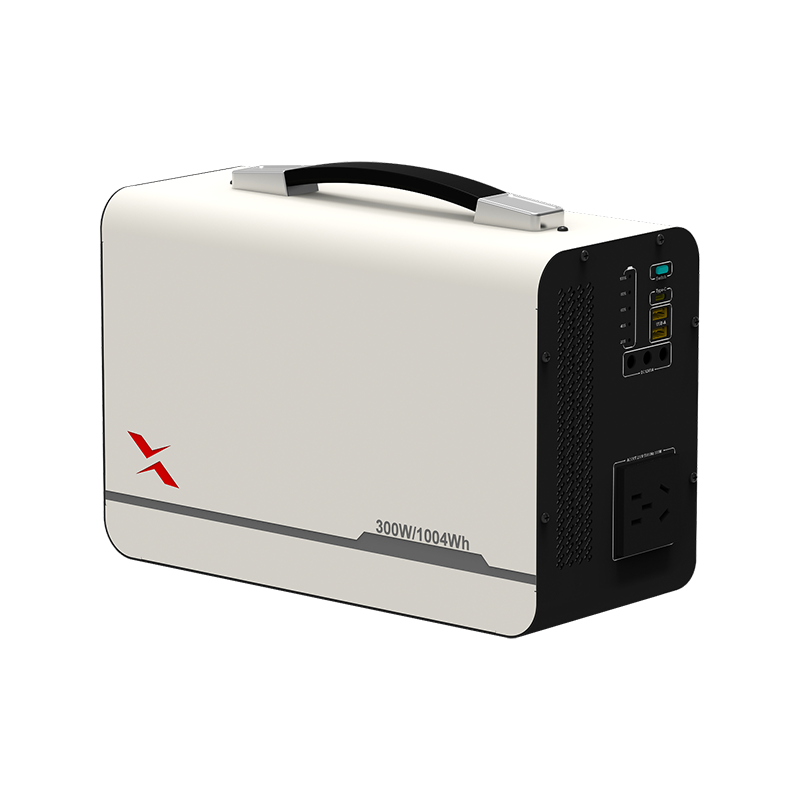
A camping energy storage pack is a portable battery-powered system designed to store electricity and supply reliable power during outdoor activities. It allows campers to run lights, charge smartphones, power small appliances, and even operate CPAP machines without relying on traditional fuel generators.
Unlike gas-powered generators, these packs operate silently and produce zero emissions. Most modern units use lithium-ion or LiFePO4 battery technology and offer capacities ranging from 200Wh to over 2000Wh, depending on usage needs.
Key Components of a Camping Energy Storage Pack
Rechargeable Battery
The battery stores electrical energy. Lithium-based batteries are common due to their high energy density and long cycle life, often exceeding 2,000–3,500 charge cycles.
Inverter
The inverter converts DC (direct current) stored in the battery into AC (alternating current), allowing standard household devices to operate.
Charge Controller
This component regulates incoming power from wall outlets, car chargers, or solar panels to protect the battery from overcharging.
Output Ports
Most units include multiple AC outlets, USB ports (USB-A and USB-C), and 12V DC outputs to support various devices simultaneously.
How a Camping Energy Storage Pack Works
The operation process is straightforward:
- Electricity is stored in the internal battery via AC outlet, car socket, or solar panel.
- The battery management system monitors voltage, temperature, and safety conditions.
- When a device is plugged in, stored energy is delivered through the appropriate output port.
For example, a 500Wh camping energy storage pack can power:
- A 10W LED light for approximately 40–45 hours
- A 60W mini fridge for 6–8 hours
- A smartphone up to 40–50 times
Comparison with Traditional Generators
| Feature | Camping Energy Storage Pack | Gas Generator |
|---|---|---|
| Noise Level | Silent | 60–80 dB |
| Emissions | Zero | Produces CO and fumes |
| Maintenance | Minimal | Fuel and engine upkeep |
Benefits for Outdoor and Emergency Use
- Safe for tent or RV use due to no exhaust emissions
- Lightweight and portable (typically 3–20 kg depending on capacity)
- Compatible with solar panels for renewable charging
- Reliable backup during power outages
The primary advantage is clean, portable, and instant electricity wherever it is needed.
Frequently Asked Questions About Camping Energy Storage Packs
1. How long does a camping energy storage pack last?
Battery lifespan typically ranges from 5–10 years depending on usage and charge cycles.
2. Can it power a refrigerator?
Yes, if the unit has sufficient watt-hour capacity and inverter output to handle the fridge's startup surge.
3. Is it safe to use indoors?
Yes. Unlike gas generators, it produces no carbon monoxide or fumes.
4. How is it recharged?
It can be charged via wall outlet, car charger, or compatible solar panels.
5. What size should I choose for camping?
For basic device charging, 300–500Wh is sufficient. For running appliances, 1000Wh or more is recommended.
6. Does it require regular maintenance?
Minimal maintenance is needed—simply keep it charged periodically and store it in a dry environment.