

 English
 русский
Home / News / Industry News / What precautions should be taken when maintaining and caring for an all-in-one residential energy storage system?
Industry News

With increasing global focus on green energy and sustainable development, more and more families are choosing to install all-in-one residential energy storage systems. These systems can store excess energy (such as solar energy) for use during peak demand periods or power outages, helping families reduce electricity bills and increase energy independence. However, like all technological devices, residential energy storage systems require regular maintenance and upkeep to ensure their long-term efficient operation. This article will discuss maintenance and upkeep considerations for all-in-one residential energy storage systems to help users extend the lifespan of their equipment and ensure energy reliability.
1. Overview of All-in-One Residential Energy Storage Systems
All-in-one residential energy storage systems typically include core components such as solar panels, inverters, and energy storage batteries. These devices work together to convert and store renewable energy sources such as solar energy in the batteries for use by the family when there is no sunlight or insufficient power supply. Due to their efficiency and environmental friendliness, all-in-one residential energy storage systems have become an important choice for modern home energy management.
However, no technological system can avoid natural wear and tear and the effects of the external environment. Regular maintenance and proper use of the energy storage system are key to ensuring its stable operation.
2. Regular Inspection and Maintenance
(1) Cleaning and Inspecting the Battery System
The battery is one of the core components of the energy storage system, and prolonged charging and discharging processes can easily lead to a decline in battery performance. Therefore, regularly checking the health of the battery is crucial. When inspecting the battery, focus on the following aspects:
Battery Voltage and Capacity: Check whether the battery voltage and storage capacity are within the normal range. If the battery capacity decreases, the battery may need to be replaced.
Battery Connection Ports: Check the battery connection ports for corrosion, looseness, etc., and ensure good contact.
Temperature Control: Batteries are prone to accelerated aging when operating in high-temperature environments. Therefore, the battery temperature control system should be checked regularly to ensure that the battery operates within a suitable temperature range.
When cleaning the battery, use a clean, soft cloth to wipe it, avoiding moisture entering the battery interior, which could cause short circuits or corrosion.
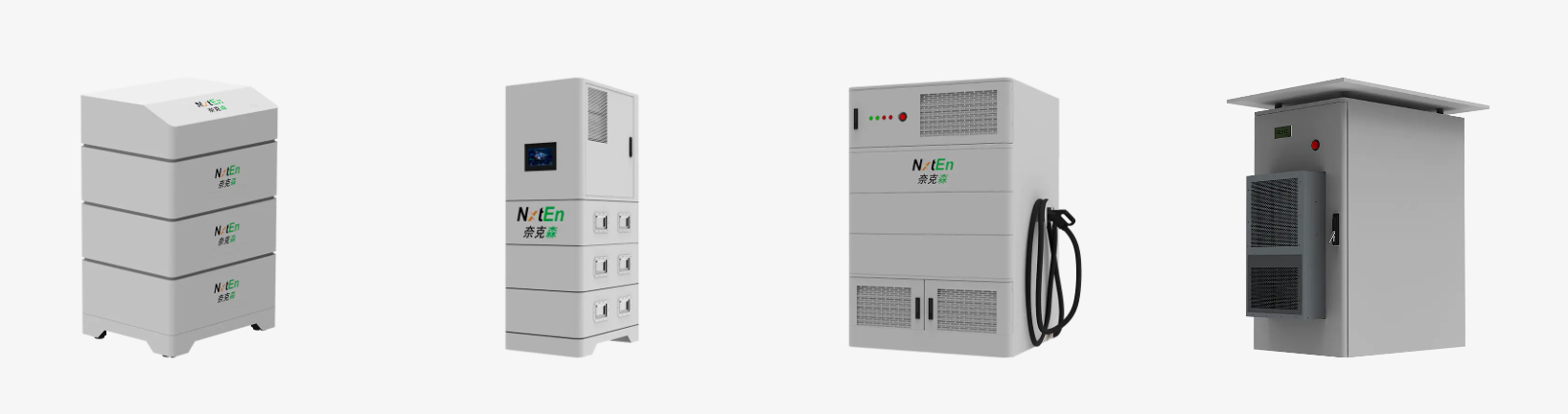
(2) Inverter Inspection and Maintenance
The inverter is a crucial component of the energy storage system, responsible for converting direct current (DC) to alternating current (AC). During long-term use, inverters may experience problems due to dust, moisture, or overload. Regularly checking the inverter is a crucial step in ensuring the system operates normally. The following points should be noted during inspection:
Clean the inverter's heat vents: Inverters generate heat during operation, and the effectiveness of the cooling system directly affects its lifespan. Regularly clean the inverter's heat vents and ventilation areas to prevent dust accumulation.
Check the display and indicator lights: Most inverters are equipped with a display screen showing the system status. Regularly check the display to ensure there are no fault warning messages.
Check the connection cables: Check for loose or worn connection cables between the inverter and the battery, solar panels, and the household electrical system. Reinforce or replace them if necessary.
(3) Solar Panel Cleaning
Although solar panels are generally designed to withstand wind and rain, dust, bird droppings, or other contaminants can still affect their efficiency. Regularly cleaning solar panels helps improve their photoelectric conversion efficiency.
Precautions for cleaning:
Choose appropriate cleaning tools: Use a soft cloth or specialized cleaning tools to avoid scratching the surface of the solar panels. Choose appropriate weather for cleaning: Avoid cleaning the solar panels in direct sunlight, as the surface may be damaged by the high temperature. The best time to clean is on a cloudy day or when the panel temperature is low.
Avoid using strong acidic or alkaline cleaners: Use neutral cleaners to clean the solar panels to avoid damaging the surface coating.
3. Inspect the Electrical System
(1) Circuit System Inspection
Residential energy storage systems are connected to the home grid, so the electrical system needs to be inspected regularly to ensure there are no signs of aging or poor contact. Regularly inspect electrical components such as cables, terminals, and circuit breakers connected to the energy storage system to ensure they show no signs of wear, corrosion, or damage. Especially after heavy rain or extreme weather, all electrical components should be checked for safety and reliability.
(2) Regularly Check System Functionality
Some advanced residential energy storage systems are equipped with intelligent monitoring functions that can monitor system performance in real time. Users can view the system status and obtain alarm information in real time through dedicated applications or monitoring platforms. If the system malfunctions, the monitoring platform will issue a warning promptly.
Regularly reviewing this monitoring data to understand the system's efficiency and operating status can help users identify and repair problems in a timely manner. If the system lacks intelligent monitoring capabilities, consider installing external monitoring equipment or conducting manual inspections.
Integrated residential energy storage systems are an ideal choice for improving home energy self-sufficiency, but regular maintenance and upkeep are necessary to ensure long-term stable operation. Regularly inspecting the batteries, electrical system, inverter, and solar panels to identify and resolve potential problems can extend the system's lifespan, improve system efficiency, and ultimately better save on energy costs and cope with power outages.

 +86-0574-62165160
 +86-18958222822
 No. 95-1, South Guangming Road, Simen Town, Yuyao City, Zhejiang Province, China

