

 English
 русский
Home / News / Industry News / BESS Battery Energy Storage Systems: How They Work, Benefits, and Selection Guide
Industry News

Every afternoon, a 2 MW commercial solar array in a southern industrial zone generates more power than the building can use. That surplus is exported to the grid at wholesale prices near $0.03 per kWh, and a few hours later the same facility buys power back at rates of $0.12 to $0.18 per kWh. A battery energy storage system (BESS) fixes this mismatch by charging from the solar surplus and discharging during the evening peak. In plain terms, a BESS is a set of rechargeable batteries with the power-conversion and control hardware needed to store electricity when it is cheap or abundant, and release it when it is expensive or necessary. That single capability explains most of the value case for storage in residential, commercial, and grid-scale projects.
A BESS is more than a stack of batteries. The “system” is what makes the cells useful, safe, and controllable. Reviewing the main components is the first step in evaluating any supplier, because a weak link in this chain can still cause poor performance or premature failure.
| Component | Primary role |
|---|---|
| Battery cells and modules | Store energy chemically. LFP is common in stationary storage for its thermal stability and long cycle life. |
| Battery Management System (BMS) | Monitors voltage, current, state of charge, and temperature; blocks overcharge, over-discharge, and imbalance. |
| Power Conversion System (PCS) | Converts DC to AC and manages grid connection, charging power, and discharging power. |
| Energy Management System (EMS) | Controls when the system charges or discharges based on tariffs, load, solar output, or grid signals. |
| Thermal management | Air-cooled or liquid-cooled system that removes heat and keeps cells within a safe operating window. |
| Enclosure and safety equipment | Houses components with cabling, fuses, fire suppression, gas detection, and monitoring interfaces. |
Charging, storage, and discharge form the basic operating cycle. During charging, the PCS converts AC from the grid or a renewable source into DC that the cells absorb. During discharge, the direction reverses. The BMS continuously limits current and temperature, while the EMS decides the timing based on tariffs, load, solar output, or grid signals. This chain is why system-level integration matters: a high-quality cell in a poorly integrated BESS can still fail to deliver reliable performance.
BESS economics follow four measurable benefits, and whichever one matters most becomes the design driver for the whole project.
The application also shapes sizing: a backup-focused system values capacity, while a demand-charge-focused system values power and cycling capability.
BESS products differ less in cell chemistry today than in configuration and control logic. Residential, commercial, and off-grid projects place different demands on footprint, cooling, and scheduling.
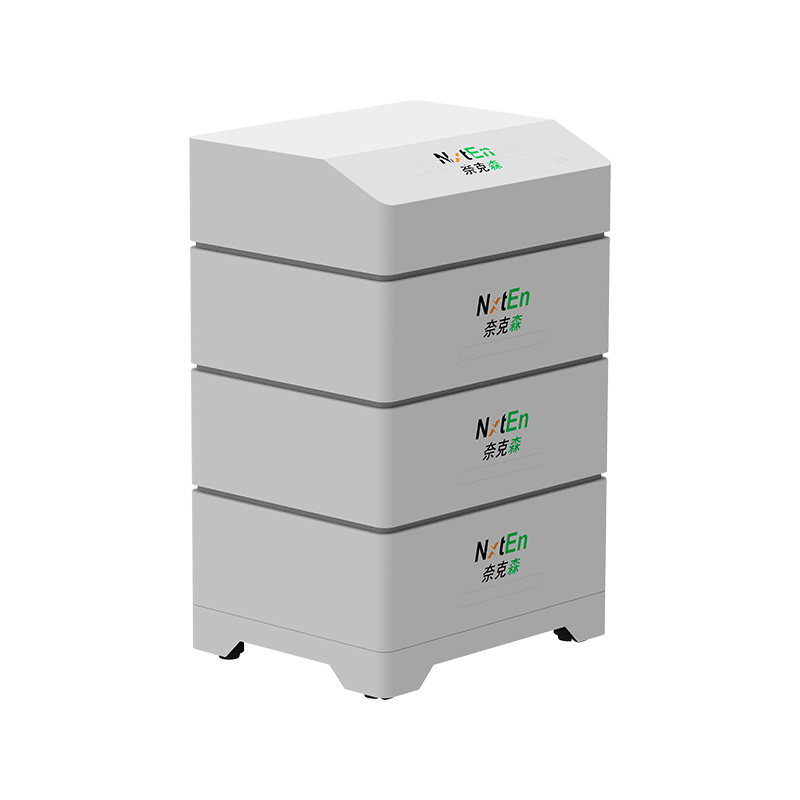
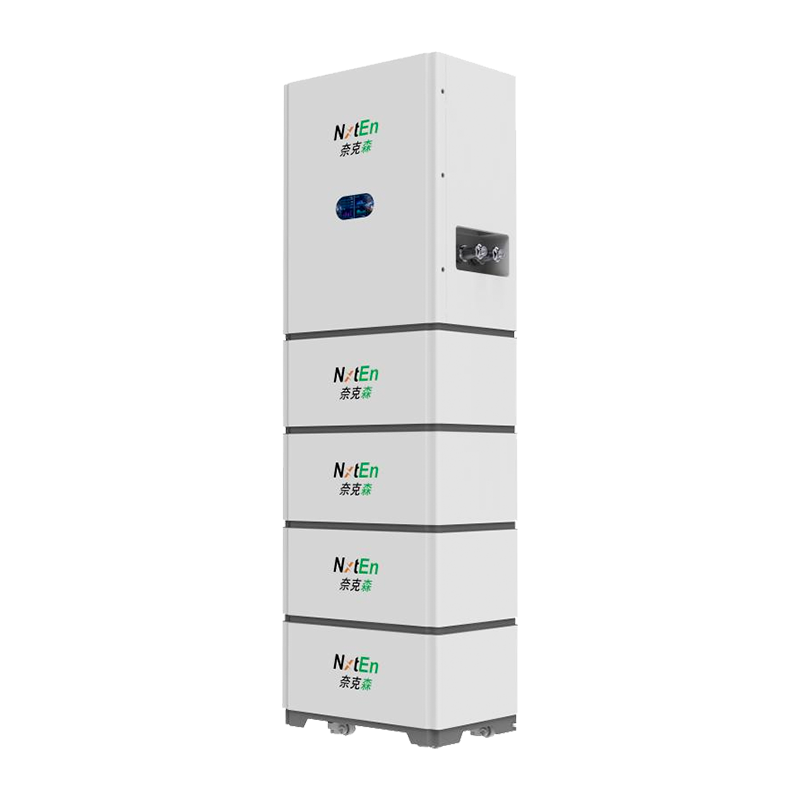
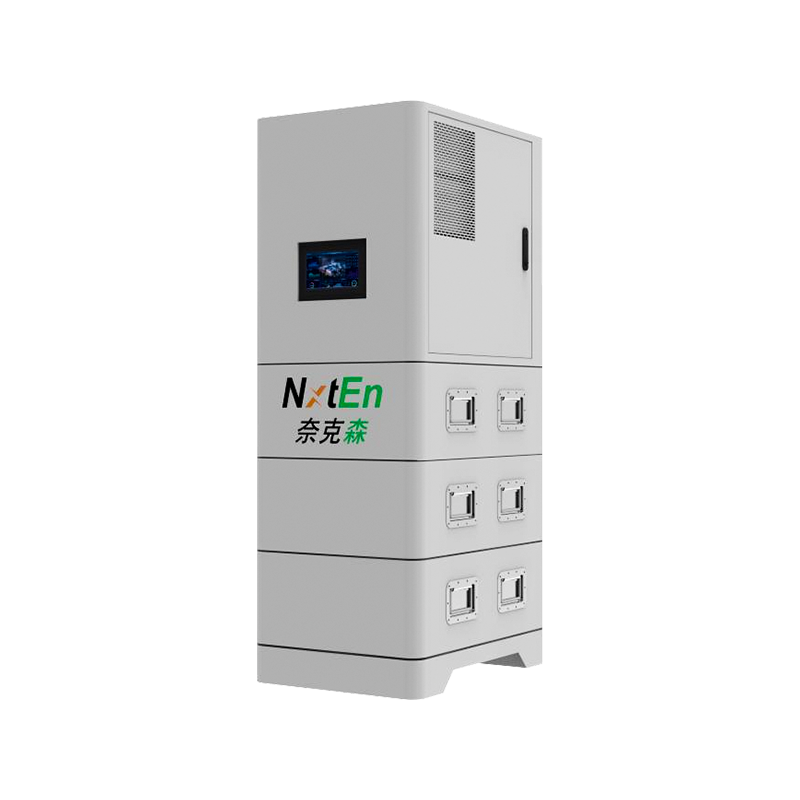
Home storage is usually paired with rooftop PV. A typical 10-20 kWh home battery stores daytime solar and powers essential loads overnight or through outages. Payback depends on local net-metering rules and outage frequency. For most homeowners, the practical answer is an all-in-one unit that combines battery, inverter, and energy management in a wall-mounted enclosure, which simplifies installation and commissioning.
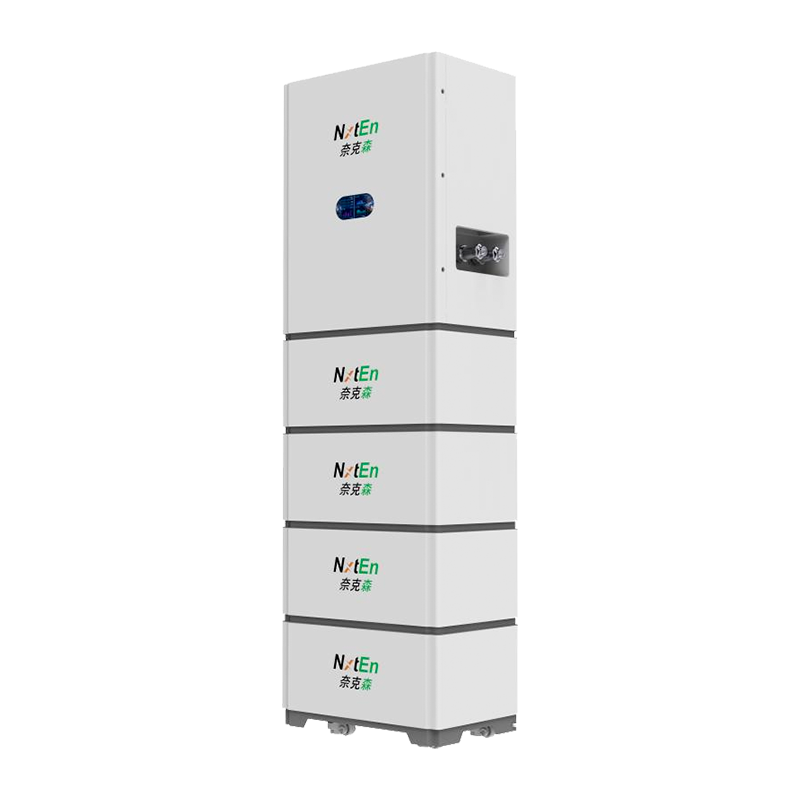 All-in-One Residential Energy Storage System with Hybrid InverterCombines a hybrid inverter, stackable battery modules, and energy management in one cabinet, with expandable 5–20 kWh capacity for simpler home installation and flexible backup.View Product →
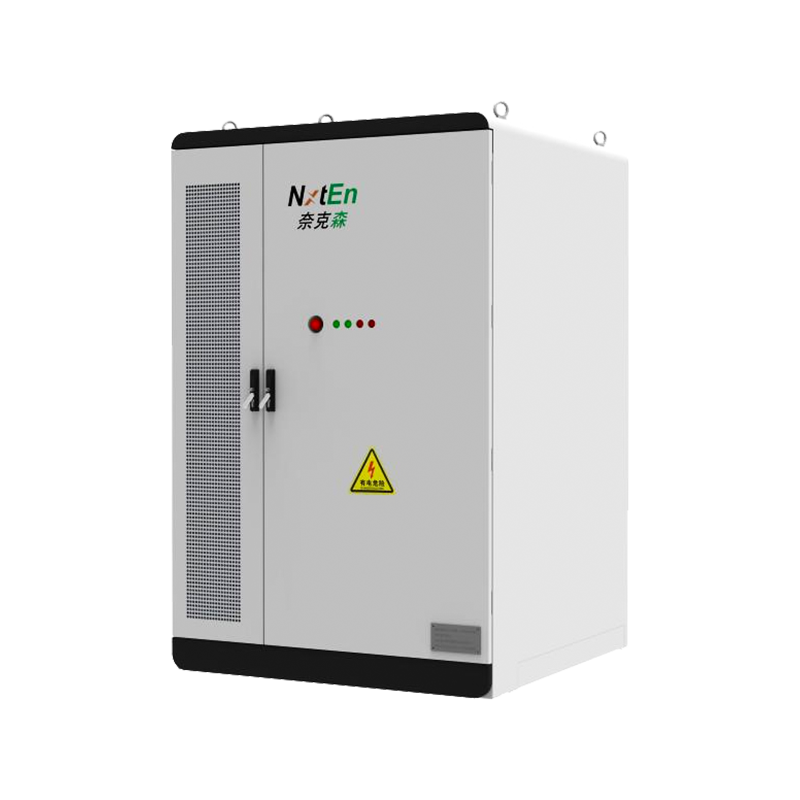
Commercial facilities rarely need backup for the whole site; they need to hold down peak demand and move consumption away from expensive hours. Outdoor cabinet systems between 200 and 400 kWh fit this segment and are often paired with rooftop solar or on-site charging infrastructure. In this range, liquid-cooled cabinets are becoming standard because the coolant loop keeps cell temperature stable even when the system discharges at high power for several consecutive hours.
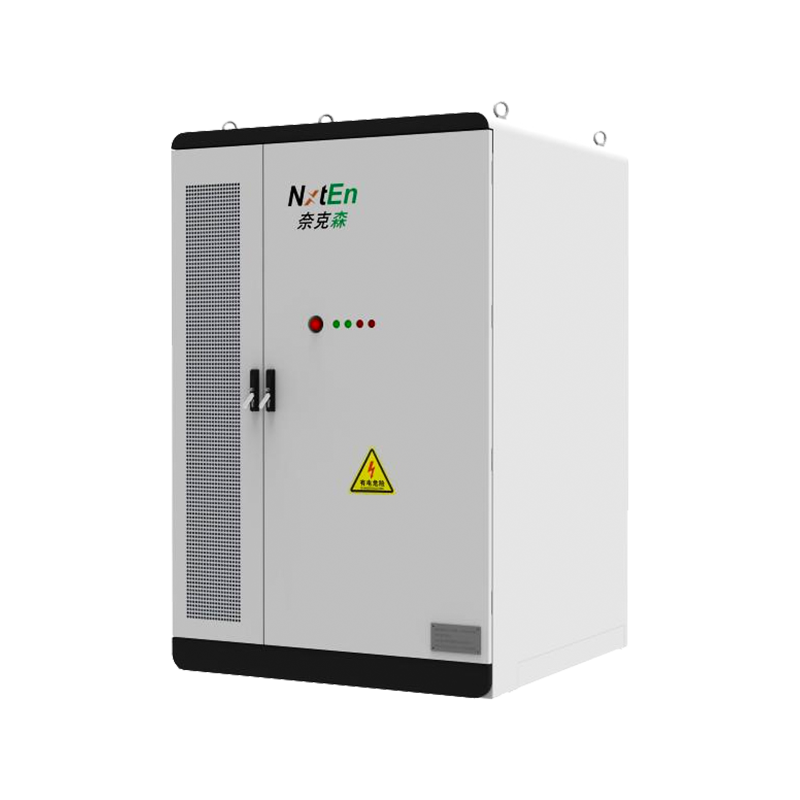 Liquid-Cooled Outdoor Commercial Energy Storage Cabinet 215/233 kWhIntegrated LFP cabinet with liquid cooling, PCS, and EMS for commercial peak-demand management and parallel expansion; thermal control supports sustained high-power discharge.View Product →
Remote sites and weak grids treat the BESS as the central hub of a microgrid. Wind, solar, and diesel generators feed the battery bus, and the inverter supplies stable AC output. The storage unit absorbs fast fluctuations in generation, which reduces diesel consumption and improves power quality. Integrated units can combine wind, solar, diesel, and storage in a single package for locations with no grid connection.
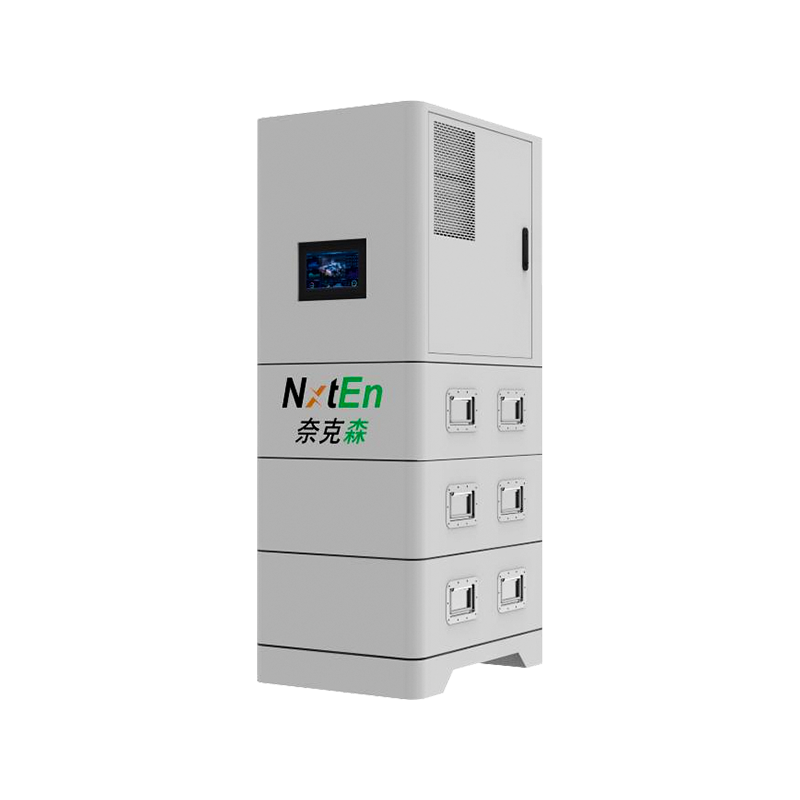 Off-Grid Wind-Solar-Diesel-Storage Hybrid Energy SystemIntegrates wind, solar, battery storage, and diesel generation with intelligent scheduling for remote or weak-grid sites, fast switching, and reduced diesel runtime.View Product →
Thermal management is the most visible design decision in a BESS. It affects footprint, performance in high ambient temperatures, maintenance, and first cost. Air-cooled systems draw ambient air through the enclosure; liquid-cooled systems circulate coolant through plates in direct contact with the cells. The general rule is straightforward: liquid cooling adds complexity and cost, but it keeps cells cooler and more uniform during sustained high-power operation. The difference is covered in more detail in our comparison of air-cooled and liquid-cooled energy storage systems, and the table below summarizes the practical differences for buyers.
| Selection factor | Air-cooled BESS | Liquid-cooled BESS |
|---|---|---|
| Cooling medium | Forced ambient air | Coolant circulated through cold plates |
| Footprint per kWh | Larger; airflow clearance required | More compact; cells can be packed closer |
| Hot-climate performance | Performance and life fade above about 35°C | Stable operation up to 45°C or higher |
| First cost | Lower | Higher |
| Maintenance | Simple fan and filter service | Coolant checks plus pump maintenance |
| Best-fit application | Small residential; temperate climates | High-capacity commercial; hot regions |
For a 100 kWh residential system in a temperate climate, air cooling is usually sufficient. For a 215-400 kWh commercial cabinet installed outdoors in a hot region, liquid cooling is often the difference between holding rated output and derating on the hottest days.
Lithium-based BESS fire risk is real but manageable. Regulators and fire authorities identify thermal runaway, an irreversible overheating chain, as the main hazard. The usual triggers are internal short circuits, cell defects, overcharging, or sustained high temperatures. Mitigation comes from layered controls: a dependable BMS, a thermally stable chemistry such as LFP, a certified enclosure with fire suppression, and disciplined manufacturing.
| Standard | Applies to | Why it matters |
|---|---|---|
| UL 1973 | Stationary battery energy storage systems | Recognized by U.S. inspectors and insurers; defines clear thermal and electrical test baselines. |
| IEC 62619 | Industrial storage cells and packs | Covers cell safety and battery management requirements for lithium industrial batteries. |
| IATF 16949 | Manufacturing facilities making automotive-grade parts | Signals factory-level quality control, traceability, and failure-mode discipline. |
These documents affect permits, insurance premiums, and liability in an incident. Installation rules such as NFPA 855 add spacing, ventilation, gas detection, and clearly marked emergency disconnects. A vertically integrated manufacturer can show control over the full chain from cell to system. Nxten's production facility is IATF 16949-certified, and its systems are designed to UL 1973 and IEC 62619 requirements, so customers receive that single point of responsibility.
The right BESS is sized and configured for your load profile, not simply the largest unit in the catalog. Work through the following steps before comparing quotes.
A structured approach avoids the most common procurement errors: oversizing capacity, undersizing power, or ignoring ambient temperature. If you are still comparing configurations, a broader guide on how to choose the right energy storage solution for your project walks through the decision framework in more detail. The cheapest BESS is rarely the one with the lowest price per kWh; it is the one that matches your load profile with the fewest operational surprises.

 +86-0574-62165160
 +86-18958222822
 No. 95-1, South Guangming Road, Simen Town, Yuyao City, Zhejiang Province, China

