English
 русский
Home / News / Industry News / What Is a Solid-State Battery? Chemistry, Limits, and What Buyers Should Know
Industry News

Content
A procurement engineer planning a 400 kWh commercial storage project asked a fair question recently: should the project wait for solid-state batteries? The headline that triggered it promised twice the driving range from nothing more than a change of cell chemistry. The honest answer is no, and the reason becomes clear once you know what a solid-state battery actually is.
A solid-state battery is a cell whose electrolyte is a solid material instead of the liquid or gel used in conventional lithium-ion designs. That one swap removes a flammable liquid, makes a lithium-metal anode practical, and lifts cell energy density from roughly 90-260 Wh/kg to a 350-500 Wh/kg target range. What it does not do, as of 2026, is beat lithium iron phosphate on cost per usable kilowatt-hour or on cycle life, the two figures that decide most stationary storage purchases.
Strip a standard lithium-ion cell down and four parts remain: a cathode, an anode, a thin porous separator, and a liquid electrolyte soaking into all of them. Ions travel through that liquid on every charge and discharge. In a solid-state battery, a solid film of ceramic, glass, sulfide or polymer composite carries the ions, and in a genuinely solid design it also separates the electrodes, so the porous separator disappears.
Liquid electrolytes are organic carbonate solvents holding a dissolved lithium salt. They conduct ions extremely well, which is much of why lithium-ion won, but they are flammable and vaporise under abuse, so designers add vents, fuses and pack-level suppression. A solid electrolyte removes the fuel load and the leak path, and it lets cells be stacked under pressure rather than sealed inside a metal can.
The difficulty sits at the interfaces. Two solid surfaces never touch perfectly, so contact resistance between electrolyte and electrode particles is higher than in a liquid-wetted cell, and many designs need sustained stack pressure in the megapascal range to keep those contacts alive for thousands of cycles.
Graphite stores lithium between its layers. Lithium metal would store roughly ten times more per gram, but in a liquid cell it plates as dendrites that pierce the separator and short the cell. A stiff solid electrolyte can block that growth in principle, and that is where the density gain really comes from. The catch is volume change: a lithium-metal anode breathes as it cycles, and repeated expansion can delaminate a rigid interface.
| Parameter | Liquid-electrolyte Li-ion (LFP and NMC) | Solid-state today |
|---|---|---|
| Electrolyte | Liquid or gel organic solvent | Ceramic, glass, sulfide or polymer film |
| Separator | Porous polymer membrane required | Not used in a true solid cell |
| Anode material | Graphite or graphite-silicon blend | Lithium metal becomes possible |
| Cell energy density | 90-160 Wh/kg (LFP), 200-260 Wh/kg (NMC) | 350-500 Wh/kg in pilot cells |
| Fire behaviour | Flammable vapour, venting and suppression needed | Much less flammable, no liquid fuel load |
| Cycle life | 3,000-6,000 cycles for LFP | Hundreds to about 1,000 cycles in published tests |
| Cold and heat | Derates below 0°C, cooling needed above 35°C | Wider window in theory, interface losses when cold |
| Cost and supply | Mass production, falling cost per kWh | Pilot scale, several times the cost |
| Commercial status | Shipping in volume today | Small cells in niche products |
Read the last four rows together and the pattern is plain. Solid-state wins on density and fire behaviour, and it still loses on the metrics a stationary project is bought on: cycles, cost and proven supply. Weight and volume matter in a vehicle, where every kilogram costs range. They matter far less for a cabinet bolted to a concrete pad.
Highest conductivity of the three, approaching 10^-2 S/cm at room temperature, close to that of a liquid, and soft enough to deform and keep contact under moderate pressure. Their weakness is chemistry: sulfides react with moisture, so production needs dry rooms and the finished cell must be sealed against humid air.
Stable in air and tolerant of higher voltages, which suits high-nickel cathodes. They are brittle, need sintering above 1,000°C, and conduct less well, typically 10^-4 to 10^-3 S/cm. Oxide cells in practice often become thin-film or hybrid designs in which a polymer or gel fraction keeps the interfaces wetted.
Flexible, easy to laminate, and already used in semi-solid cells shipped in limited volumes. Conductivity is temperature-dependent: classic polymer cells prefer to run at 60-80°C, which rules out most residential and building applications without active heating. Ceramic filler or a small liquid fraction fixes room-temperature performance, at the price of calling the result semi-solid rather than solid.
A storage cabinet on a concrete pad does not care how heavy it is. That one fact removes most of the solid-state advantage for grid, commercial and residential projects, and leaves four criteria where mature lithium iron phosphate is hard to beat:
That is why a commercial site adding half a megawatt-hour this year is more likely to order an outdoor liquid-cooled cabinet in the 215-233 kWh class than to wait for a chemistry that has not reached volume production.
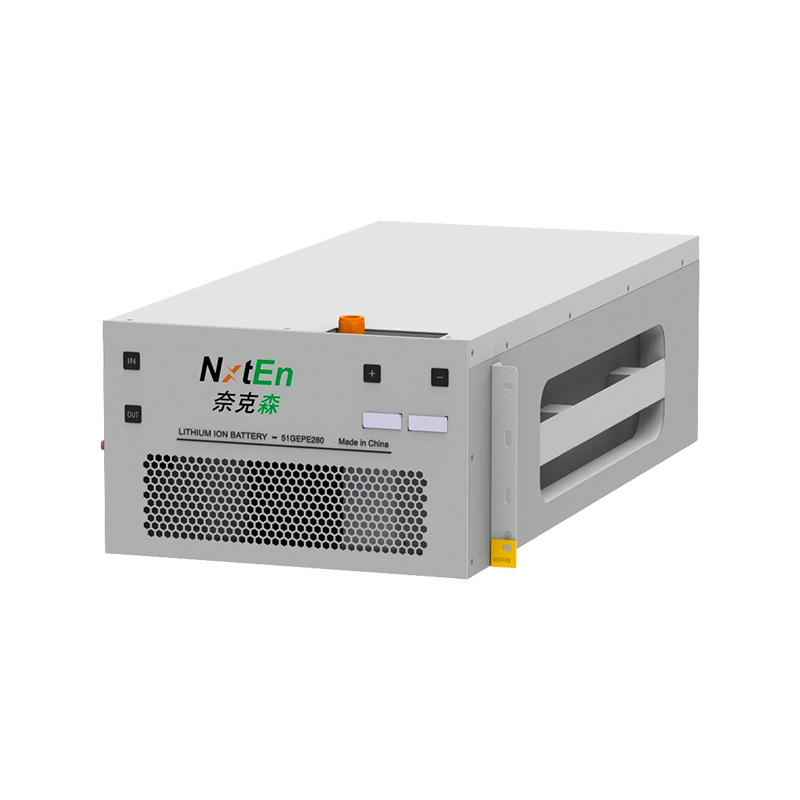
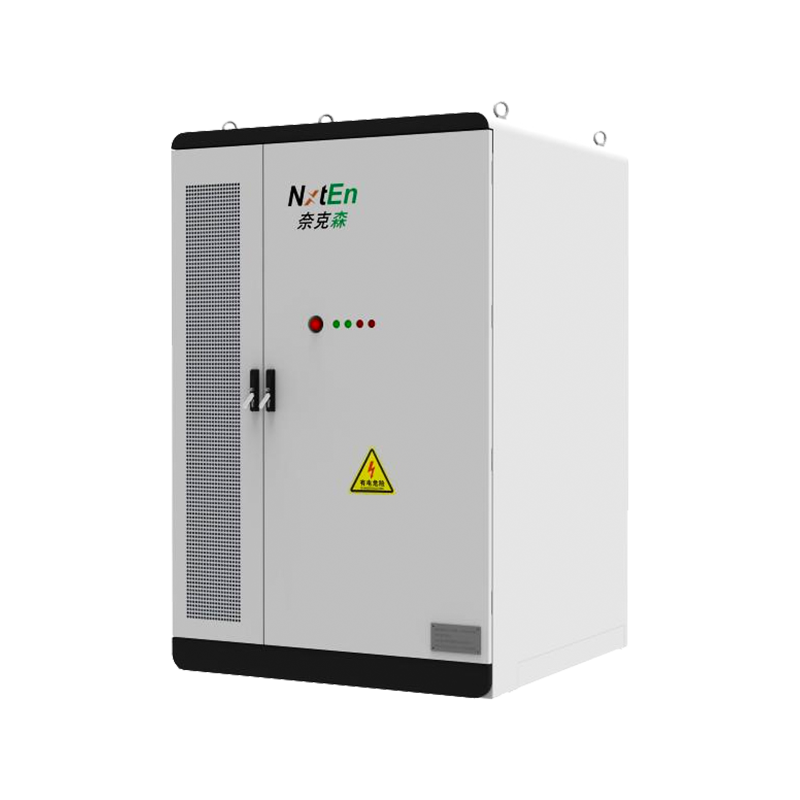 Outdoor Liquid-Cooled Commercial and Industrial Energy Storage CabinetA 215/233 kWh outdoor C&I cabinet with LFP, liquid cooling, PCS and EMS for projects seeking available storage rather than waiting for solid-state.View Product →
Commercialisation is running from small to large. Tiny solid-state cells already serve medical implants, wearables and some drone packs, where a high price per watt-hour is acceptable. Electric vehicles come next, because range sells cars: one recent industry report describes a solid-state design that aims to double the driving range of a comparable pack. Premium consumer electronics follow. Grid-scale and commercial storage sit at the back of the queue, as the application least sensitive to weight and most sensitive to cost per cycle.
Semi-solid and hybrid cells are the bridge. They keep a small liquid or gel fraction inside a composite electrolyte, ship in limited volumes today, and are sometimes marketed as solid-state even though the liquid phase has not been eliminated.
Whatever chemistry ends up inside the cabinet, the questions that protect the purchase are the same:
Treat any solid-state label on a shipping product as a claim to be tested rather than a specification to be trusted.
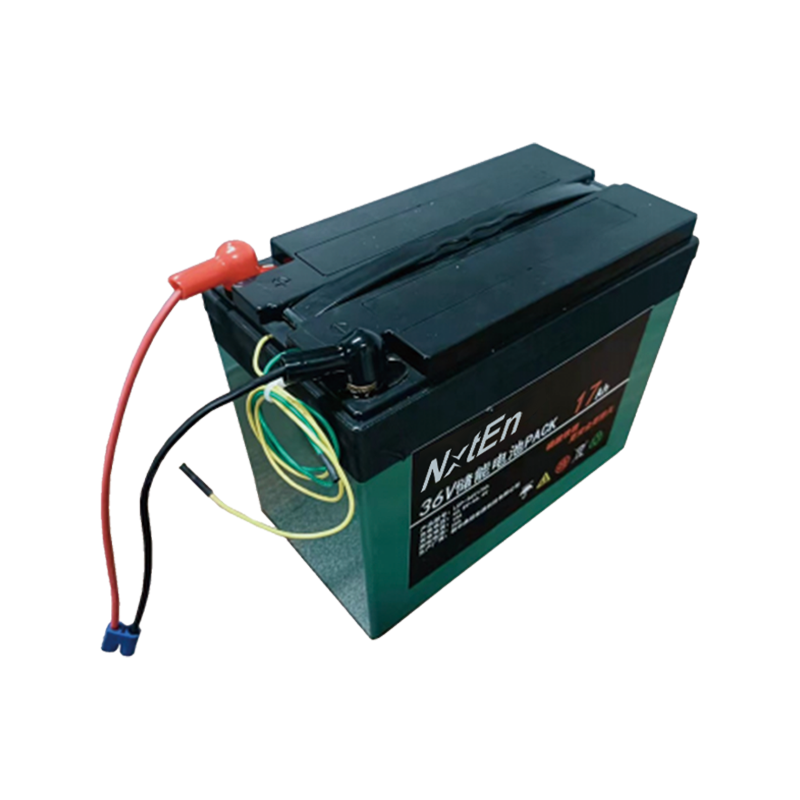
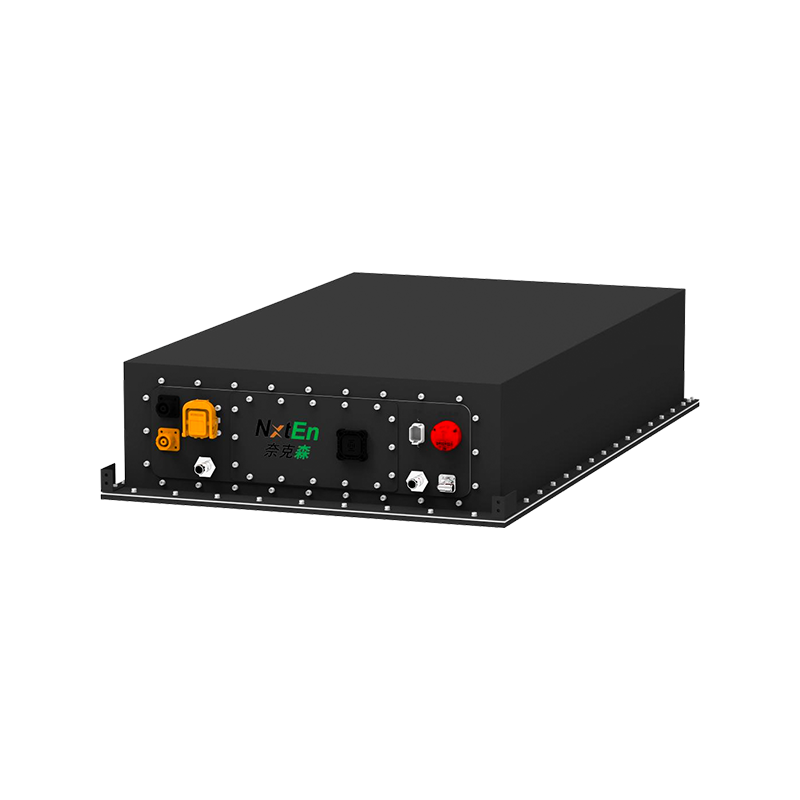
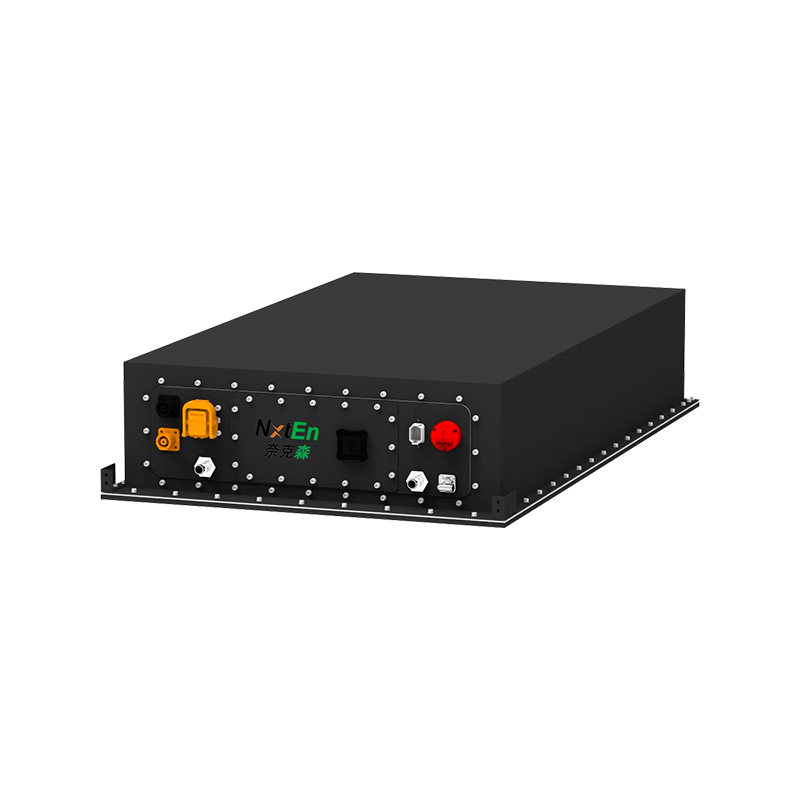 Liquid-Cooled Battery Energy Storage PackA liquid-cooled pack with sealed coolant circuit, IP67 protection and 7500-cycle cells for projects prioritizing reliability before solid-state production matures.View Product →
Until solid electrolytes reach volume production, project reliability depends on how well the cell, module, pack and system layers are engineered together. Nxten Energy builds across all four levels from its own factory in Yuyao, Zhejiang, and supplies components and finished systems rather than trading a single layer of the stack.
The current range covers portable packs, residential all-in-one systems, emergency batteries, off-grid hybrid systems that combine wind, solar, diesel and storage, outdoor industrial and commercial cabinets from 215 kWh to 400 kWh in air-cooled and liquid-cooled versions, and PV-storage-charging terminal systems. Manufacturing is certified to IATF 16949, the company states compliance with UL 1973 and IEC 62619, and the vertical structure leaves customers one point of responsibility for quality and delivery.
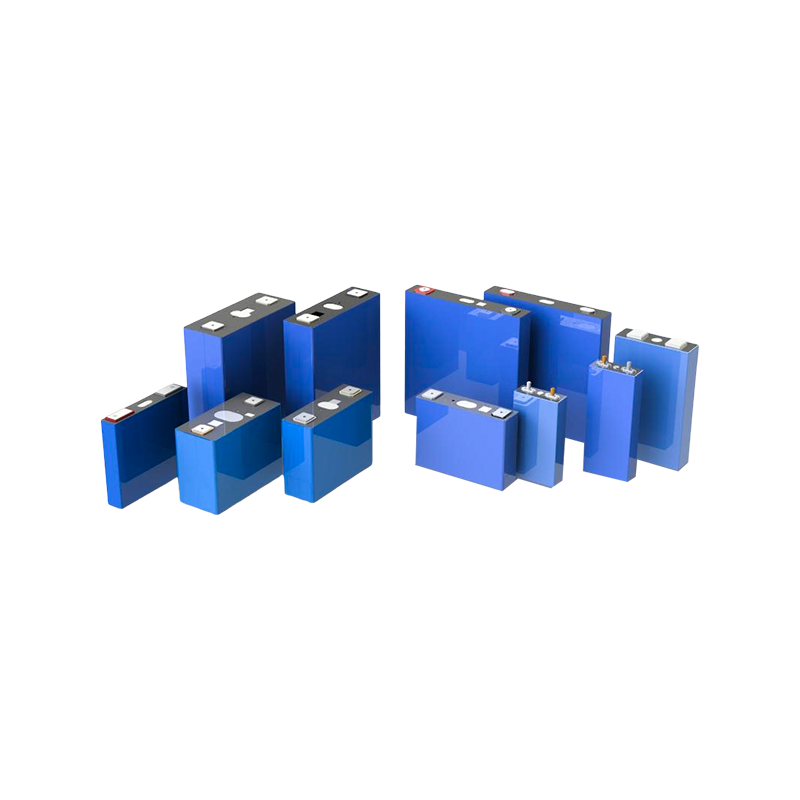
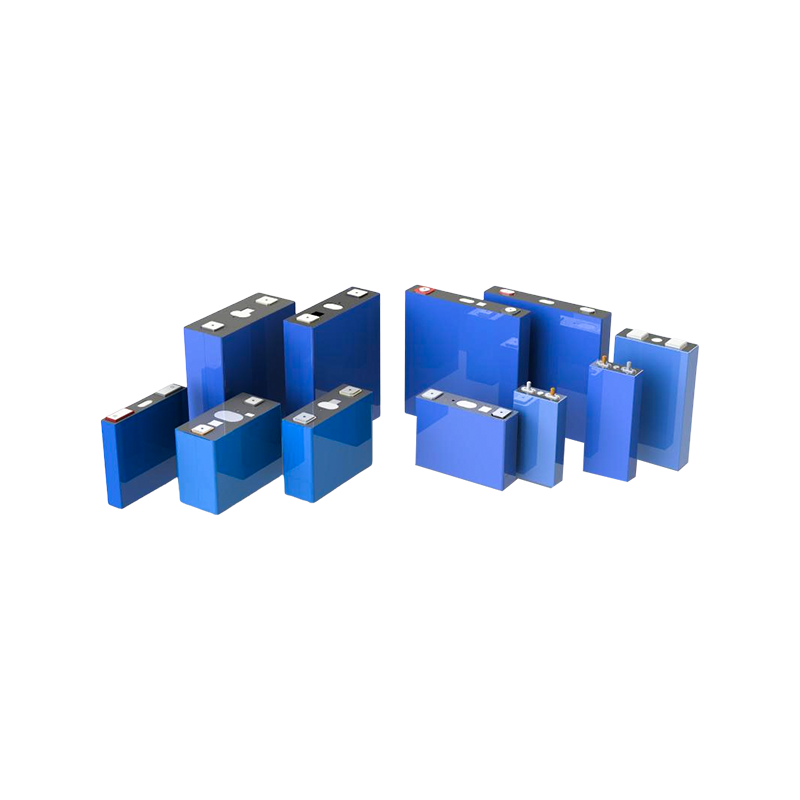 Lithium-Ion Battery Cells for Energy Storage and PowerLFP cell models from 50 Ah to 314 Ah support residential, commercial, grid and EV-charging storage, where liquid-electrolyte economics still matter.View Product →
A solid-state battery replaces the liquid electrolyte with a solid one, and the payoff is energy density and fire behaviour, not cost or cycle life. For an electric vehicle that trade is worth chasing. For a building, a factory or a microgrid, it does not change the arithmetic yet.
If a project needs storage this year, specify proven cells, insist on certified hardware, and match the cooling and warranty to the site. If it can wait, watch interface engineering and cycle-life data rather than announcements, because those are the numbers that will turn solid-state from a research topic into a purchasing decision.

 +86-0574-62165160
 +86-18958222822
 No. 95-1, South Guangming Road, Simen Town, Yuyao City, Zhejiang Province, China