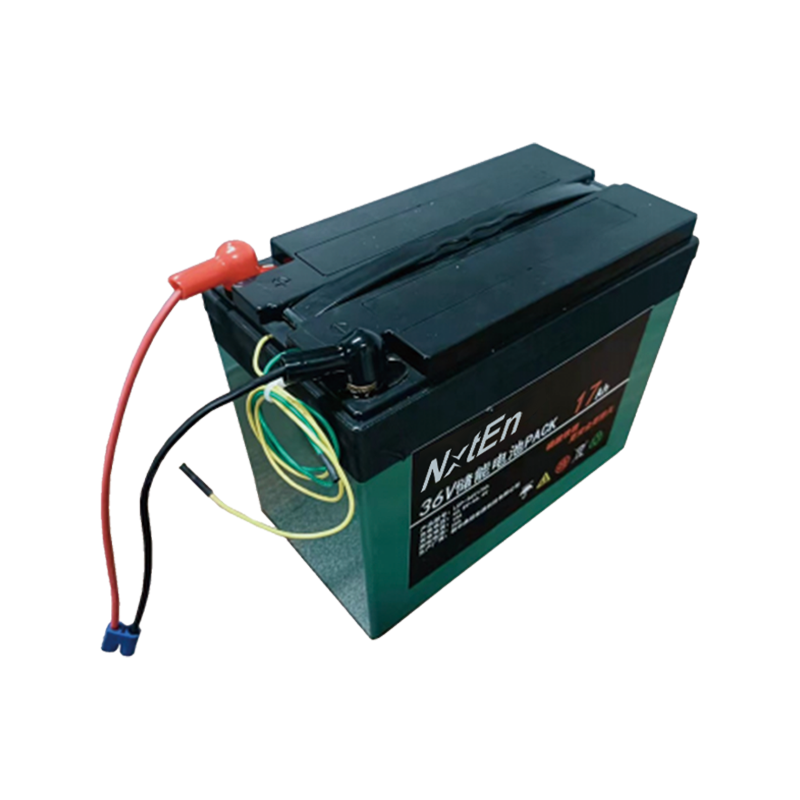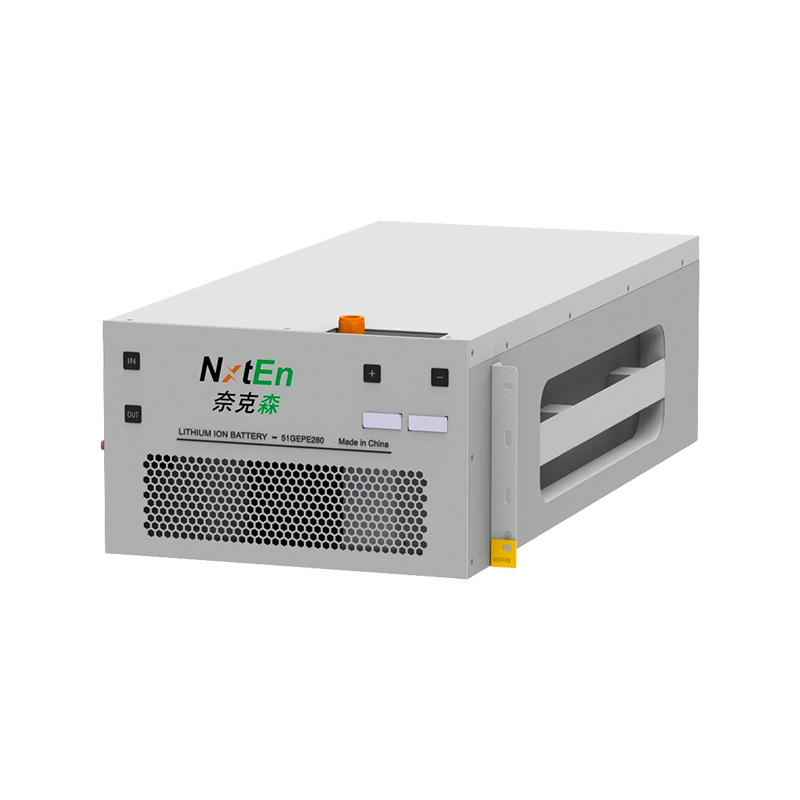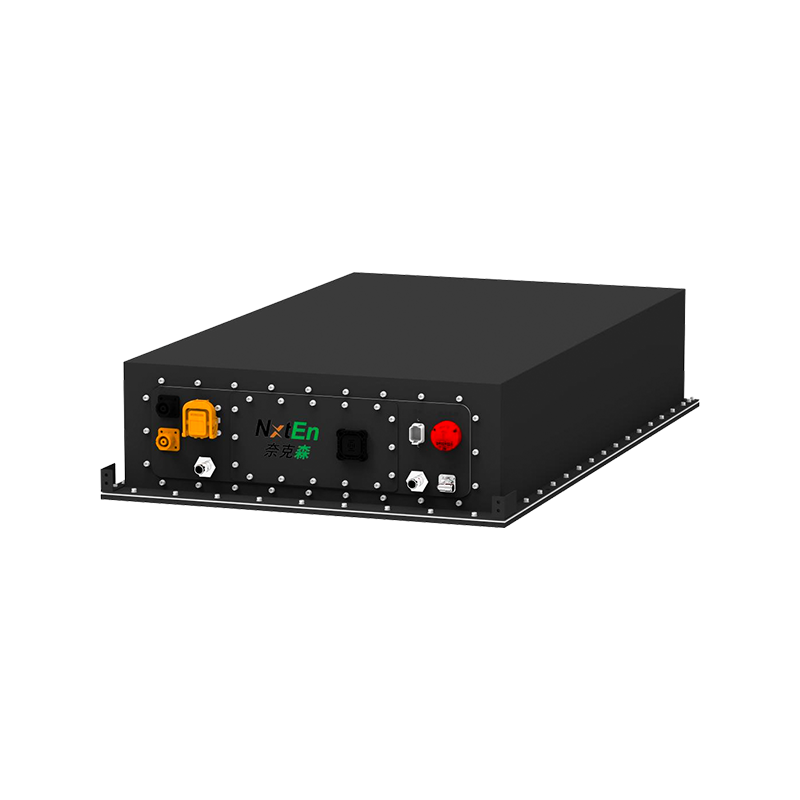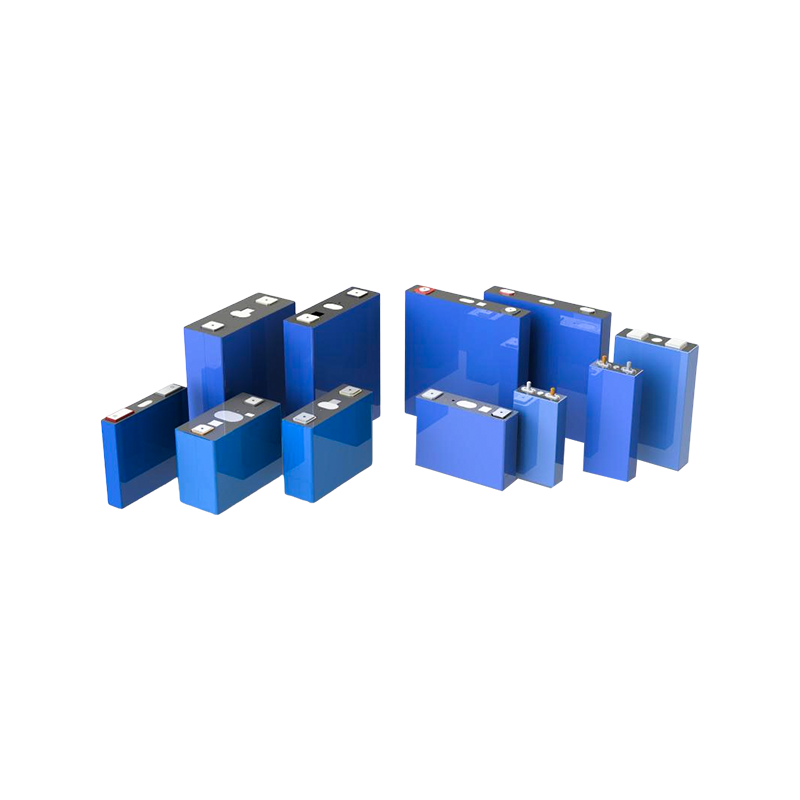
Product Introduction:
Lithium-ion batteries offer outstanding performance through high energy density, wide temperature range operation, high power output, and multi-level safety protection, meeting diverse application needs from residential energy storage to large-scale industrial scenarios while ensuring long cycle life and high reliability.
Advantages and Features:
1. High Density and Long Life
Utilizing high-energy-density battery technology, this product achieves efficient energy storage. The product design ensures a long cycle life, ensuring long-lasting, reliable performance and a low overall cost of ownership.
2. Ultra-Wide Operating Temperature Range
The battery maintains stable operation across an ultra-wide operating temperature range (−30°C to 60°C), adapting to a variety of harsh environmental conditions, from extremely cold to extremely hot regions.
The use of a high-strength ceramic-coated separator ensures dimensional stability at high temperatures, preventing short circuits between the positive and negative electrodes. This feature broadens the application range of lithium-ion batteries.
3. High Power and Fast Charge and Discharge
High power output capability supports fast charge and discharge operations, enabling rapid response to load changes and grid dispatch requirements, improving system responsiveness and flexibility.
4. Comprehensive Safety Protection
In terms of safety protection, Nexon has established a comprehensive multi-layered safety assurance system. The product's battery cells utilize a high-strength ceramic-coated diaphragm, which quickly blocks the current path in abnormal situations. A multi-layered thermal management solution ensures the battery maintains the optimal operating temperature range under all operating conditions.
Application Scenarios:
● Residential and Commercial Energy Storage Systems
● Grid-Side and Large-Scale Energy Storage
● Industrial and Special Environment Applications
● Electric Vehicle Charging Infrastructure
Nxten lithium-ion Batteries deliver outstanding performance through high energy density, wide temperature range operation, high power output, and multi-level safety protection, meeting diverse application needs from residential energy storage to large-scale industrial scenarios while ensuring long cycle life and exceptional reliability.
Features:
● High-density & & long-life battery technology
● Ultra-wide operational window (-40℃ to 60℃)
● High power and fast charge/discharge capability
● Intrinsic safety
| Model | LFP50 | LFP72 | LFP100 | LFP142 | LFP205 | LFP230 | LFP280 | LFP314 |
| Voltage Range | 2.5~3.65V | 2.5~3.65V | 2.5~3.65V | 2.5~3.65V | 2.5~3.65V | 2.5~3.65V | 2.5~3.65V | 2.5~3.65V |
| Rated Capacity | 50Ah | 72Ah | 100Ah | 142Ah | 205Ah | 230Ah | 280Ah | 314Ah |
| Rated Power | 160W(1P) | 230.4W(1P) | 320W(0.5P) | 454.4W(1P) | 656W(1P) | 736W(1P) | 1792W(2P) | 502.4W(0.5P) |
| Max Pulse Power | 480W(3P) | 691.2W(3P) | 960W(3P) | 1363.2W(3P) | 1312W(2P) | 2208W(3P) | 1792W(2P) | 502.4W(0.5P) |
| Rated Charging Current@25±2℃ | 25A(0.5C) | 36A(0.5C) | 50A(0.5C) | 71A(0.5C) | 102.5A(0.5C) | 115A(0.5C) | 140A(0.5C) | 157A (0.5C) |
| Rated Discharge Current@25±2℃ | 50A(1C) | 72A(1C) | 100A(1C) | 142A(1C) | 205A(1C) | 230A(1C) | 140A(0.5C) | 157A(0.5C) |
| Max.Pulse Charging Current@25±2℃ |
100A(2C) @30s,SOC≤50% |
144A(2C) @10s,SOC≤50% |
200A(2C) @10s,SOC≤50% |
284A(2C) @30s,SOC≤80% |
410A(2C) @60s,SOC≤80% |
460A(2C) @60s,SOC≤80% |
560A(2C) @60s,SOC≤80% |
157A(0.5C) |
| Max.Pulse Discharge Current@25±2℃ |
150A(3C) @10s,SOC≥50% |
216A(3C) @30s,SOC≥30% |
300A(3C) @30s,SOC≥50% |
426A(3C) @30s,SOC≥30% |
410A(2C) @60s,SOC≥20% |
690A(3C) @60s,SOC≥30% |
560A(2C) @60s,SOC≥20% |
157A(0.5C) |
| Cycle Life(Capacity≥80%) | ≥6000 | ≥6000 | ≥3000 | ≥3500 | ≥4000 | ≥4000 | ≥8000 | ≥8000 |
| Dimensions(W*D*H) | 148.66*39.72*101.31mm | 148.66*39.72*101.31mm | 148.4*52.32*119.0mm | 148.66*70.22*115.3mm | 174.0*53.82*206.8mm | 174.0*53.82*206.8mm | 174.0*71.75*206.8mm | 174.0*71.75*206.8mm |
| Weight | 1.13±0.05kg | 1.40±0.05kg | 1.87±0.1kg | 2.60±0.03kg | 4.16±0.12kg | 4.16±0.12kg | 5.5±0.15kg | 5.76±0.2kg |
 About Nxten
0㎡

0+

0+

0+
What’S News



Battery cells are the core building blocks of entire energy storage systems, mobile devices, and electric vehicle power systems. They determine the energy density, safety, cycle life, and overall performance of the battery system. As the most basic energy storage module, battery cells are responsible for receiving, storing, and releasing electrical energy, and their performance directly affects the stability and user experience of the device. With the development of new energy technologies, lithium-ion batteries, due to their superior electrochemical characteristics, are widely used in residential energy storage systems, industrial energy storage power stations, electric vehicles, communication base stations, portable energy devices, and many other fields, becoming an irreplaceable key component of the modern energy system.
Modern high-performance battery cells typically use lithium-ion cells, one of their biggest advantages being high energy density. This means that within a limited volume and weight, it can store more electrical energy, providing devices with longer range and higher energy output efficiency. For residential energy storage, high energy density ensures that the system provides sufficient energy storage capacity within a limited installation space; for industrial-grade energy storage power stations, it enables the system to achieve a higher energy configuration per unit area, reducing overall footprint and installation costs. Meanwhile, lithium-ion batteries support wide temperature range operation, enabling them to maintain stable performance even in complex outdoor environments such as extreme cold and heat, making them ideal for applications such as outdoor energy storage cabinets, communication towers, power peak shaving, and distributed energy.
Besides their energy density advantage, high power output capability is also a crucial performance indicator for battery cells. Lithium-ion battery cells can provide high current release capability in a short time, providing necessary support for devices requiring instantaneous high power, such as power tools, electric vehicle acceleration, emergency power startup, or peak load response of industrial equipment. Its high power characteristic not only ensures system flexibility and response speed but also provides a strong technical foundation for energy storage systems in applications such as frequency regulation, peak shaving, and rapid grid-connected/off-grid switching.
In terms of safety, modern battery cells are equipped with multi-level safety protection structures, including overvoltage protection, overcurrent protection, temperature protection, short-circuit protection, and internal separator thermal shutdown design, ensuring that the cell remains stable under various abnormal conditions and does not undergo dangerous reactions. Meanwhile, through high-precision manufacturing processes and material optimization, the battery cells exhibit exceptional long cycle life, maintaining capacity and output capability through thousands of charge-discharge cycles, significantly extending the overall system lifespan and reducing subsequent maintenance costs.
The value of battery cells lies not only in their performance but also in their support for the reliability of the entire system. High-quality battery cells possess high consistency and stable parameters, ensuring balanced operation when assembled into battery modules and packs, avoiding excessive degradation and safety hazards caused by cell differences. Furthermore, in energy storage systems, battery cells are the foundation for intelligent management. The Battery Management System (BMS) monitors the voltage, current, temperature, and other parameters of each cell in real time, enabling precise control and balancing strategies, effectively extending system life and improving energy utilization.
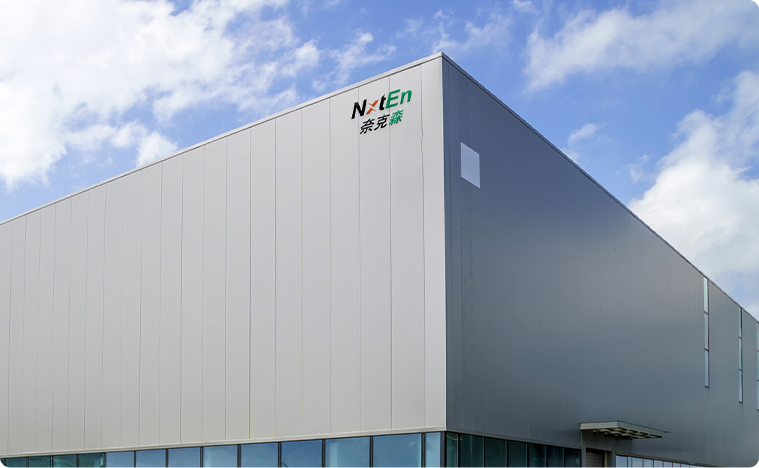
Ningbo Nxten Energy Technology Co., Ltd. is a professional battery cell manufacturer. Our battery cells boast advantages such as high energy density, strong output capability, wide temperature adaptability, long cycle life, and multiple safety protections, making them suitable for various energy storage needs, from residential to industrial, and from mobile to stationary applications.

 +86-0574-62165160
 +86-18958222822
 No. 95-1, South Guangming Road, Simen Town, Yuyao City, Zhejiang Province, China



 English
 русский