

 English
 русский
Home / News / Industry News / Energy Storage Battery Cells: What Are They and Why Are They So Important Today?
Industry News

As renewable energy, electric vehicles, and backup power systems become more common, energy storage battery cells are gaining massive attention. Many people hear this term but are not exactly sure what it means or why it matters. In this article, we explain it in simple language and show why these cells play a key role in modern energy systems.
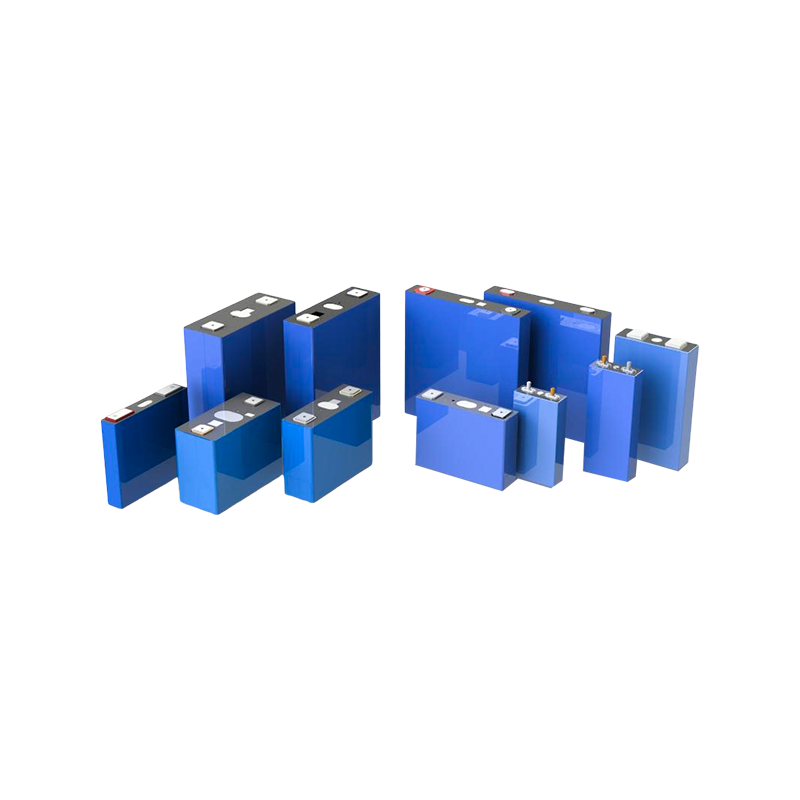
Energy storage battery cells are the basic building blocks of battery systems. Each cell stores electrical energy and releases it when needed. Multiple cells are connected together to form battery modules and battery packs used in solar storage systems, electric vehicles, data centers, and home energy storage solutions.
Unlike disposable batteries, energy storage cells are designed for repeated charging and discharging cycles. They are built to deliver stable power over long periods, making them suitable for both residential and industrial applications.
The main reason is energy reliability. Renewable energy sources such as solar and wind do not produce power all the time. Energy storage battery cells allow excess electricity to be stored during peak production and released when demand is high or when power generation drops.
They also help reduce electricity costs. By storing energy during off-peak hours and using it during peak hours, users can lower energy bills and reduce dependence on the grid.
In addition, battery cells support emergency backup power. During blackouts or grid failures, stored energy can keep essential equipment running.
These battery cells are widely used in home solar storage systems, commercial energy storage stations, electric vehicle charging infrastructure, telecommunications base stations, and industrial backup power systems.
With the rapid growth of renewable energy projects, large-scale energy storage farms using thousands of battery cells are becoming more common around the world.

Capacity is one of the first factors to consider. Higher capacity cells store more energy and support longer usage time.
Cycle life is another important factor. High-quality cells can handle thousands of charge and discharge cycles without significant performance loss.
Safety performance also matters. Reliable battery cells include protection features that reduce the risk of overheating, short circuits, and thermal runaway.
For many users and businesses, the answer is yes. Energy storage battery cells help improve energy efficiency, reduce operating costs, and increase power stability. As energy demands continue to grow, these cells will remain a core part of future power systems.
If you are planning an energy storage project or looking for long-term power solutions, choosing high-quality battery cells is a smart investment.

 +86-0574-62165160
 +86-18958222822
 No. 95-1, South Guangming Road, Simen Town, Yuyao City, Zhejiang Province, China

