

 English
 русский
Home / News / Industry News / How Long Do Lithium Batteries Last? Cycle Life and Calendar Life Facts
Industry News

Content
An operations manager at a warehouse fleet once asked us a question that sounded simple: "If I install lithium batteries in our equipment, how many years will they really last?" A single number would have been misleading. The truthful answer has two parts: cycle life and calendar life. A quality lithium pack, designed and operated correctly, delivers 3,000 to 5,000 charge cycles and a 10- to 15-year service life. Both figures, however, drop quickly when temperature, depth of discharge, or charging habits are wrong. Understanding these variables before you buy is what separates a battery bank that disappoints by year three from one that still holds 80% capacity in its tenth year.
Most deep-cycle lithium iron phosphate (LFP) cells are rated for 3,000 to 5,000 cycles at 80% depth of discharge (DoD). At one full equivalent cycle per day, that equals 8 to 13 years of continuous use. The same chemistry carries a calendar life rating of 10 to 15 years, meaning the battery remains within usable specification even when it cycles only occasionally.
Compared with lead-acid, which under proper maintenance delivers only 1,000 to 1,500 cycles and a 3- to 6-year calendar life, even a mid-range lithium pack outlasts two or three lead-acid replacements. On a total-cost-per-cycle basis, the higher purchase price is usually recovered in the second half of the lithium battery's life, and the gap widens as energy costs rise.
Battery aging starts the moment a cell is manufactured, not on the day you first charge it. That is why a "new" pack that has sat on a warm warehouse shelf for two years will never reach its full rated cycle count. Cycle life is the number of charge-discharge cycles a cell can complete before capacity falls to 80% of its original rated value, the standard threshold at which most manufacturers declare end-of-life. Calendar life is the number of years the chemistry remains serviceable regardless of cycling. The two limits run in parallel, and whichever is reached first ends practical service.
| Parameter | Cycle Life | Calendar Life |
|---|---|---|
| Definition | Cycles until remaining capacity hits 80% | Years before chemistry degrades |
| Typical LFP value | 3,000-5,000 cycles | 10-15 years |
| Main driver | Depth of discharge, discharge rate | Temperature, time at high charge |
For anyone comparing energy storage bids, both clocks matter. A pack quoted only in cycles can look attractive on paper but fail early if it stays at 100% state of charge for weeks. Study the relationship between lifespan and system efficiency when evaluating quotes, because a high cycle count means little if the system wastes energy or stresses the cells.
Heat is the most aggressive enemy of lithium chemistry. At 45°C, LFP cells can lose capacity nearly twice as fast as at 25°C, because high temperature accelerates the parasitic side reactions that permanently consume lithium. Keep cells inside the 15°C to 35°C working band. Outdoor and high-throughput installations benefit most from active thermal management, and liquid cooling holds a far more uniform cell temperature than forced air, protecting the weakest cell in the string.
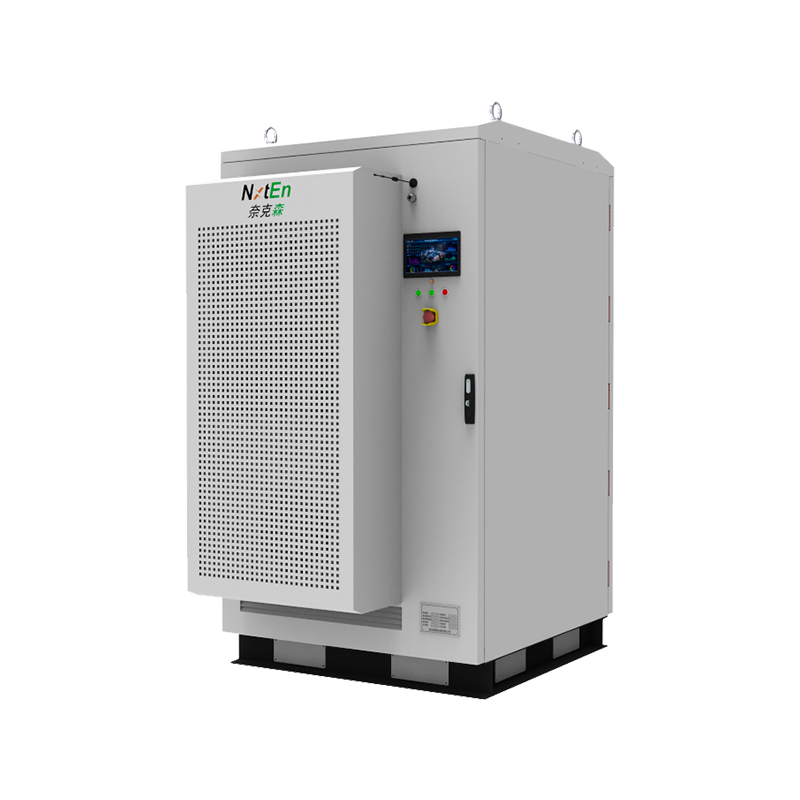
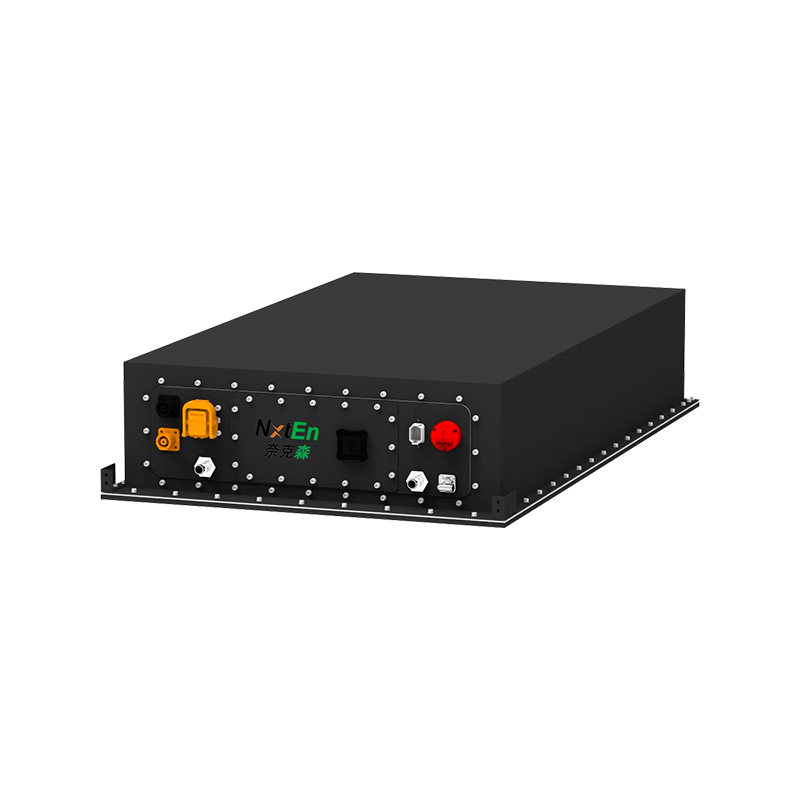 Liquid-Cooled Battery Energy Storage Pack for Extended Cycle LifeThis liquid-cooled pack maintains uniform cell temperature between 15–35°C, slowing capacity loss from heat. When limited to 80% depth of discharge, it can achieve over 5,000 cycles, making it ideal for high-throughput installations requiring long-term reliability.View Product →
Every percentage point of discharge depth counts. Cycling an LFP pack to 100% DoD every day typically yields around 3,000 cycles; limiting the same pack to 80% DoD can push cycle count beyond 5,000 cycles. Setting a daily DoD ceiling of 80% or less is the single most effective operating habit for extending cycle life.
Overcharging is rare in a properly engineered system because the battery management system cuts off charge current in time. The quieter problem is time spent at 100% state of charge. When a pack will sit unused for more than a few days, store it at 50% to 70% charge instead of keeping it full. A pack left at maximum voltage for weeks loses capacity measurably faster.
A battery discharged continuously at 2C builds internal heat and mechanical stress far faster than one cycled at 0.5C. High C-rate applications such as forklifts, AGVs, and power tools shorten the effective cycle count. Match the battery's rated C-rate to the real load profile and add headroom for peak demand if you want the full rated lifetime.
Two packs with identical voltage, capacity, and price can differ by years in real service. Cell chemistry quality and the intelligence of the battery management system set the ceiling. A BMS that balances cells, limits the voltage window, monitors temperature, and logs fault events is not a luxury; combined with a maintenance routine that keeps home energy storage packs alive longer, it is what turns a quality cell into a decade-long asset.
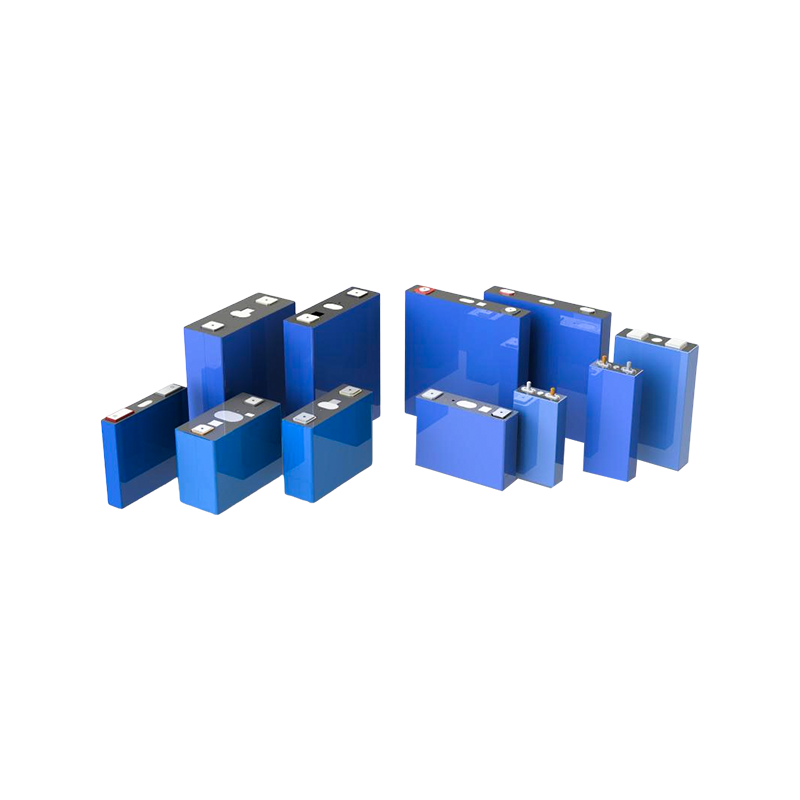 High-Quality LFP Battery Cells with Intelligent BMSThese lithium-ion cells feature high energy density, ultra-wide temperature range (–30°C to 60°C), and an advanced BMS that balances cells and monitors temperature. They outperform lead-acid in usable capacity and lifetime economics, reducing total cost of ownership.View Product →
The gap between lithium and lead-acid is wider than most buyers assume, especially when usable capacity is factored in. Lead-acid should not be discharged below 50% DoD if it is expected to survive, so an equivalent lead-acid bank must be oversized by roughly 50% to 60% to deliver the same daily energy as a lithium bank. When replacement frequency and maintenance labor are added, the lifetime economics of lithium become hard to ignore.
| Parameter | Lithium (LFP) | Lead-Acid (AGM/Flooded) |
|---|---|---|
| Cycle life | 3,000-5,000 cycles | 1,000-1,500 cycles |
| Calendar life | 10-15 years | 3-6 years |
| Usable capacity | 80-100% | 50% or less |
| Replacement frequency | Once per decade or more | Every 3-5 years |
| Maintenance requirement | None | Watering, equalizing, cleaning |
These numbers hold only when the lithium system is specified correctly. An under-sized inverter, a battery parked in direct sun, or a cheap charger can erase most of the advantage within the first 18 months of operation.
Lifespan is not luck; it is engineering and routine discipline. The operators who get the full 3,000-plus cycles from their packs follow the same six rules:
The purchase decision is where lifespan is really decided. Supplier transparency about cell grade, BMS features, thermal design, and warranty terms tells you more than any datasheet ever will.
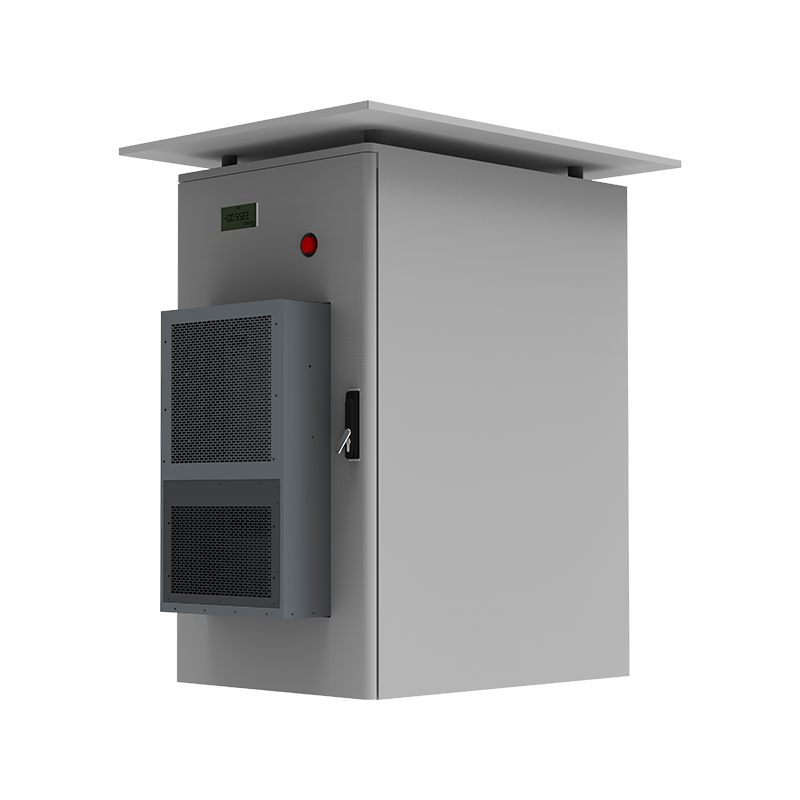
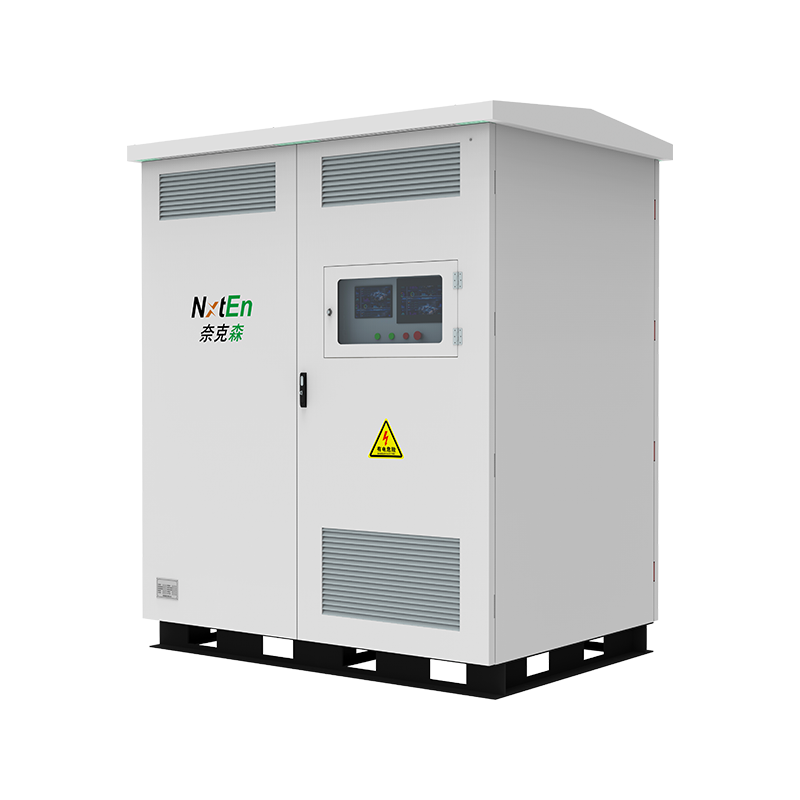
For a home installation paired with rooftop solar, an integrated residential energy storage pack with an embedded BMS and simplified commissioning is usually the most reliable route to a long-lived system. For industrial sites, outdoor commercial cabinets with liquid cooling in the 215-400 kWh range keep cell temperatures uniform across hundreds of cells, which is exactly what a 10-year design life demands.
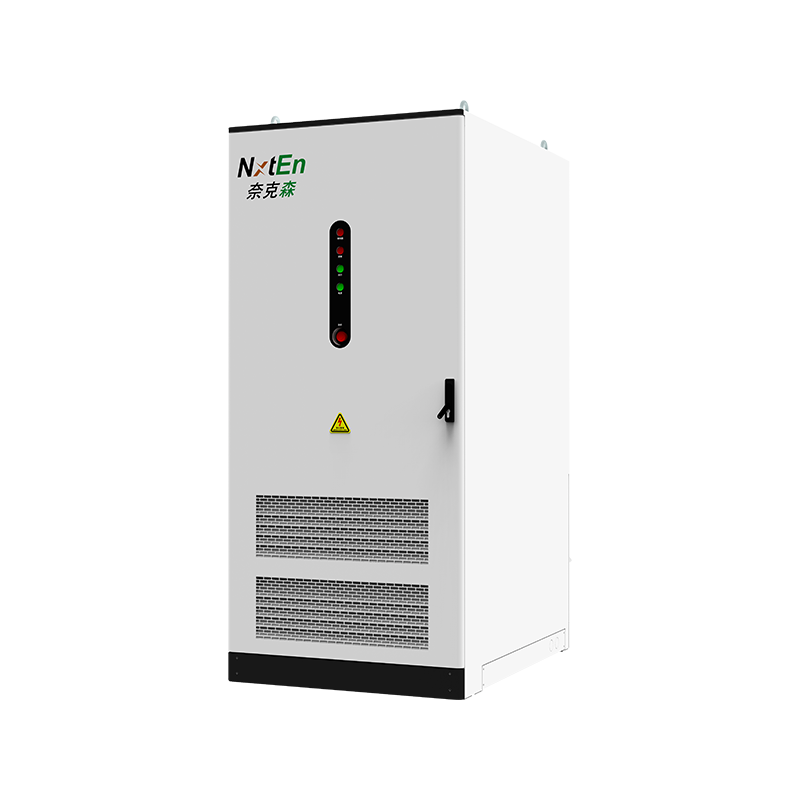
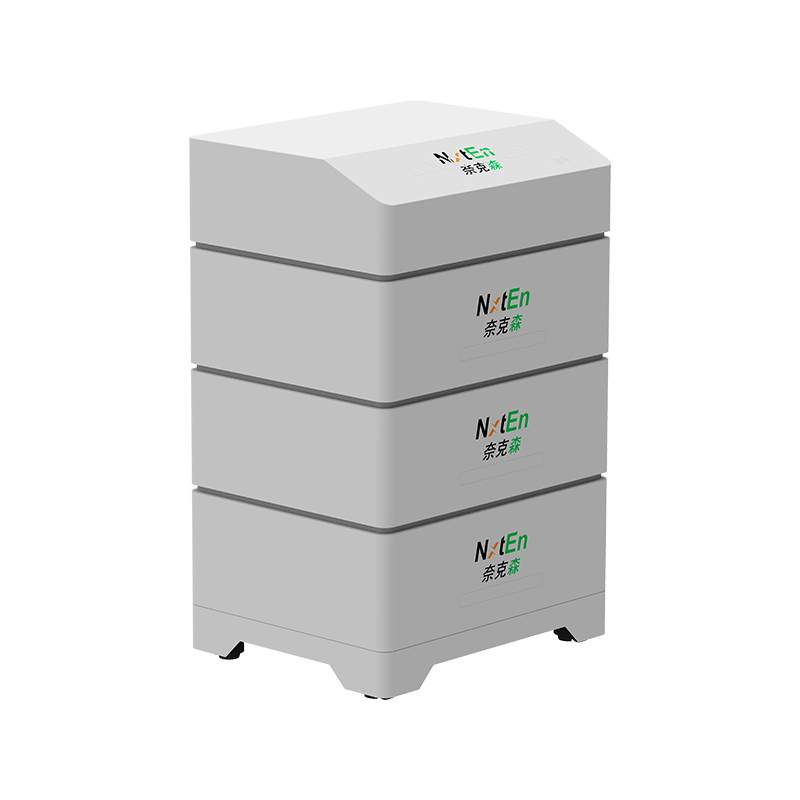 Integrated Residential Energy Storage Pack with UL9540A CertificationThis home storage pack combines industrial-grade outdoor protection, UL9540A fire safety certification, and compatibility with major inverters like Growatt and Sungrow. Its built-in BMS and simplified commissioning ensure reliable, long-lived performance paired with rooftop solar.View Product →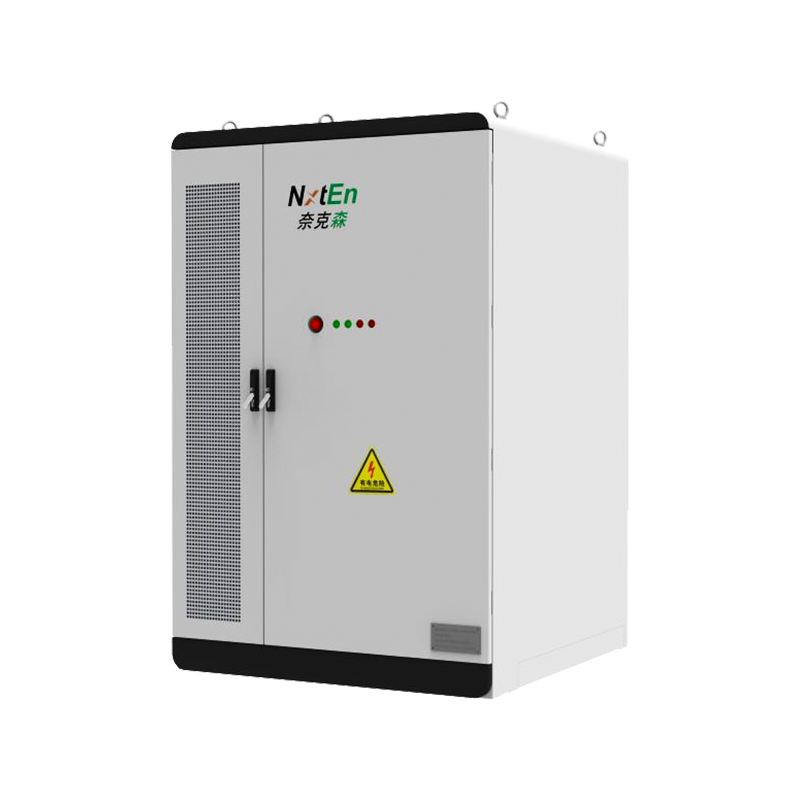

 +86-0574-62165160
 +86-18958222822
 No. 95-1, South Guangming Road, Simen Town, Yuyao City, Zhejiang Province, China

