

 English
 русский
Home / News / Industry News / Why Are 67% of Homeowners Installing Energy Storage Systems With Solar Panels?
Industry News

Content
Quick Answer
According to Wood Mackenzie's 2024 residential solar survey, 67% of new solar installations now include a residential battery backup system — up from just 19% in 2019. Homeowners are pairing solar home energy storage with their panels primarily to eliminate grid dependence during outages, reduce electricity costs by storing daytime solar energy for evening use, and gain real-time control through smart home battery systems. The shift is driven by falling lithium battery costs, increasingly unreliable grid infrastructure, and growing time-of-use electricity tariffs that penalize peak consumption.
For most of the last decade, solar panels and home batteries existed as separate decisions. Homeowners installed panels first, enjoyed reduced daytime bills, and assumed that was sufficient. Three converging forces have fundamentally changed that calculation.
The U.S. Energy Information Administration reported that average annual power outage duration per customer increased by 49% between 2013 and 2023. Aging infrastructure, extreme weather events, and growing grid load have made outages a near-universal household concern rather than a rare inconvenience.
Most major utilities now charge 2–4x more per kilowatt-hour during evening peak hours (typically 4–9 PM) than during midday. Solar panels generate most during the day when rates are low — a household energy storage solution captures that energy and deploys it precisely when grid electricity is most expensive.
Lithium home battery pack costs have dropped by over 89% since 2010, according to BloombergNEF. As of 2024, the cost per kilowatt-hour of residential lithium storage has crossed a threshold where payback periods for most homeowners now fall within 6–10 years — well within the 20–25 year lifespan of a modern storage system.
Together these three factors have transformed energy storage from an expensive optional extra into a practical financial and resilience tool for the average homeowner. The 67% adoption figure is not an anomaly — it is the result of economic fundamentals finally aligning with household need.
The financial logic of pairing solar panels with a residential battery backup system is straightforward, but many homeowners underestimate just how significant the savings can be when storage is included versus solar alone. Without storage, any solar energy your panels produce that you do not consume instantly is either exported to the grid at a low feed-in tariff rate, or simply wasted. With storage, that surplus energy is captured and used when it has the most value.
Average Annual Electricity Bill Reduction: Solar Only vs. Solar + Storage
A smart home battery system takes this further by using energy management algorithms to predict solar generation, household demand, and time-of-use tariff windows — automatically deciding when to store, when to self-consume, and when to export. Households using AI-optimized storage have reported self-sufficiency rates of 80–95%, meaning they purchase only 5–20% of their annual electricity from the grid.
For a household consuming 10,000 kWh annually at an average blended rate, even a 60% reduction in grid purchases represents meaningful annual savings. Over a 15-year period, cumulative savings frequently exceed the initial system installation cost multiple times over — even without accounting for rising electricity rates, which have historically increased 2–4% annually in most developed markets.
Grid outages expose a critical weakness of solar-only installations: standard grid-tied solar systems automatically shut down during power outages as a safety measure to protect utility workers. This means your panels keep generating power that you cannot use — while your home sits in the dark. A residential battery backup system solves this entirely.
The duration of backup power depends on the system's capacity and your household load. A 10 kWh household energy storage solution will power essential loads — refrigerator, lighting, device charging, and a few outlets — for approximately 24 hours without any solar input. With daytime solar recharging, the same system can sustain critical loads indefinitely through extended outages.
For households in storm-prone regions, wildfire zones, or areas with aging grid infrastructure, this capability has moved from a luxury feature to a practical necessity. In states like California, Texas, and Florida — where grid events are frequent and sometimes dangerous — the value of seamless backup power is near-impossible to overstate.
The shift from solar-only to solar-plus-storage has not been gradual — it has accelerated sharply, driven by falling costs, policy incentives, and growing consumer awareness. The following chart illustrates the percentage of new residential solar installations in the U.S. that included a battery storage system from 2019 to 2024.
% of New Residential Solar Installs Including Battery Storage (2019–2024)
The trajectory shows no sign of plateauing. With federal tax credits in the U.S. covering 30% of residential storage system costs through 2032, and similar incentive programs active in the EU, Australia, and parts of Asia, the economics will continue to improve. Industry analysts project that solar-plus-storage adoption will exceed 80% of new installations before 2027.
Not all residential energy storage systems are built to the same specification. Understanding the core technical parameters will help you evaluate options objectively rather than based on marketing claims alone.
| Specification | What It Means | Recommended Minimum |
|---|---|---|
| Usable Capacity (kWh) | Energy available for actual use (≠ total capacity) | 10 kWh for average home |
| Continuous Power Output (kW) | How many appliances can run simultaneously | 5 kW for whole-home backup |
| Round-Trip Efficiency | Energy retained after charging and discharging cycle | 90%+ for lithium systems |
| Cycle Life | Number of full charge/discharge cycles before capacity degrades to 80% | 4,000+ cycles (LFP chemistry) |
| Operating Temperature Range | Safe operating ambient temperatures | -10°C to 50°C |
| Safety Certifications | Standards compliance for safe residential deployment | UL 1973, IEC 62619 |
The two dominant lithium battery chemistries in home storage are Lithium Iron Phosphate (LFP) and Nickel Manganese Cobalt (NMC). For residential applications, LFP has clear advantages:
A modern smart home battery system is not merely a passive storage unit — it is an active energy management platform. Through integrated energy management software (EMS), these systems continuously analyze solar production forecasts, weather data, household consumption patterns, and electricity tariff schedules to optimize every charging and discharging decision automatically.
The system automatically charges from solar during low-tariff periods and discharges stored energy during expensive peak hours — maximizing savings without any manual scheduling from the homeowner.
Using historical consumption data and machine learning, the EMS predicts how much energy the household will need and ensures the battery holds adequate reserve for overnight use or approaching storms.
Homeowners can view real-time solar generation, battery state of charge, household consumption, and grid interaction through a smartphone app — providing full transparency and control over their energy ecosystem from anywhere.
The practical outcome is that a well-configured smart home battery system requires essentially no active management from the homeowner after initial setup. The system handles the complexity of energy arbitrage, backup reserve management, and solar integration autonomously — delivering the financial and resilience benefits without any behavioral change required from the occupants.
A household energy storage solution is a long-term infrastructure investment. Before committing to any system, run through this pre-installation checklist to avoid common pitfalls:
Nxten is strategically positioned in China's key energy hub, providing optimal connectivity to global new energy markets. As a professional OEM Residential Energy Storage Pack Manufacturer and ODM Home Energy Storage Pack Factory, Nxten's team excels in international trade compliance and cross-border logistics — making it a trusted manufacturing partner for solar home energy storage projects across North America, Europe, and the Asia-Pacific region.
Nxten operates a fully integrated supply chain with 30% production efficiency gains and maintains Six Sigma quality standards across all production stages. IATF 16949 certified manufacturing facilities ensure automotive-grade reliability for every residential battery system produced.
The company's in-house R&D center delivers customized energy solutions compliant with UL 1973, IEC 62619, and other key international certifications — ensuring every lithium home battery pack meets the safety and performance standards required for residential deployment worldwide.
From component manufacturing to final product distribution, Nxten's vertical integration offers clients single-point accountability — eliminating the quality gaps and communication delays common in multi-supplier supply chains for household energy storage solutions.
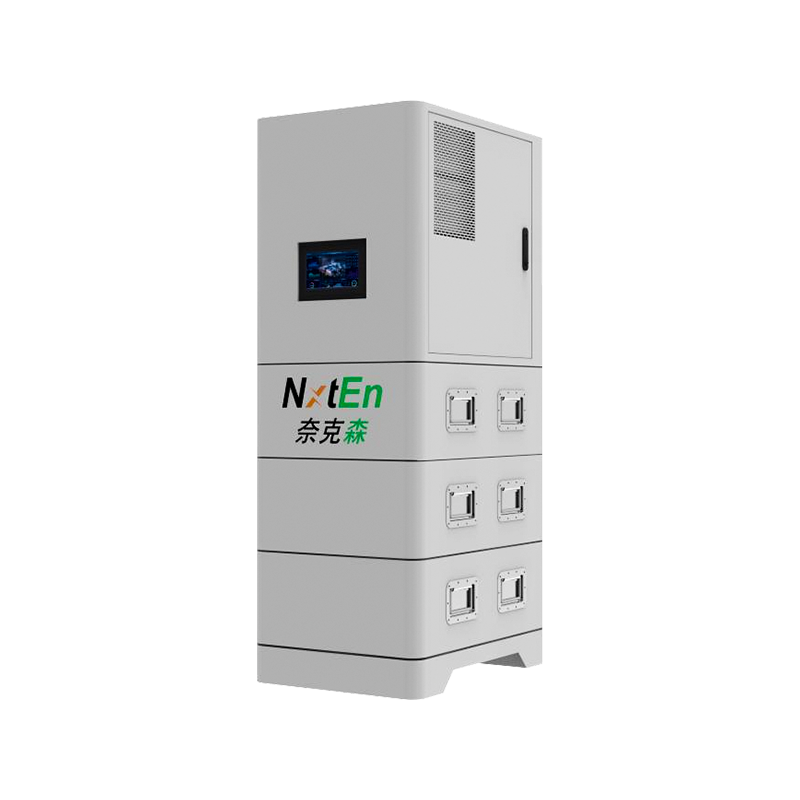
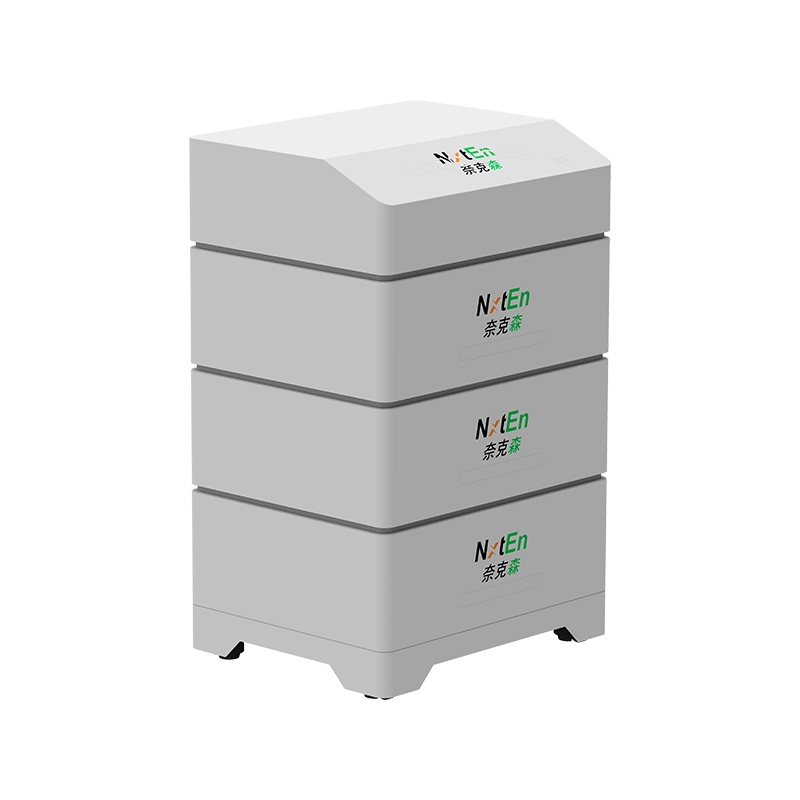
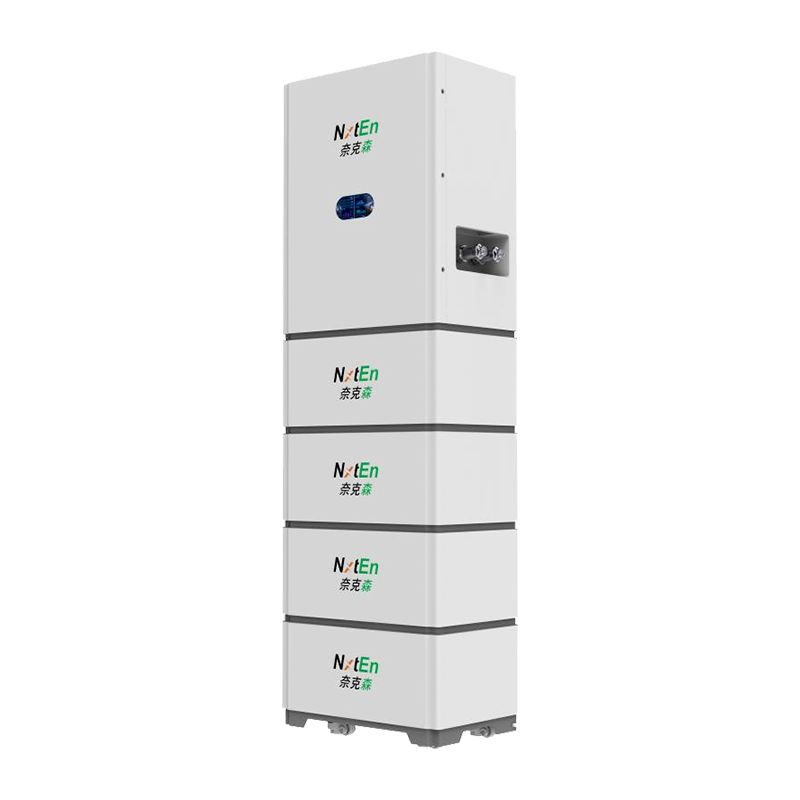
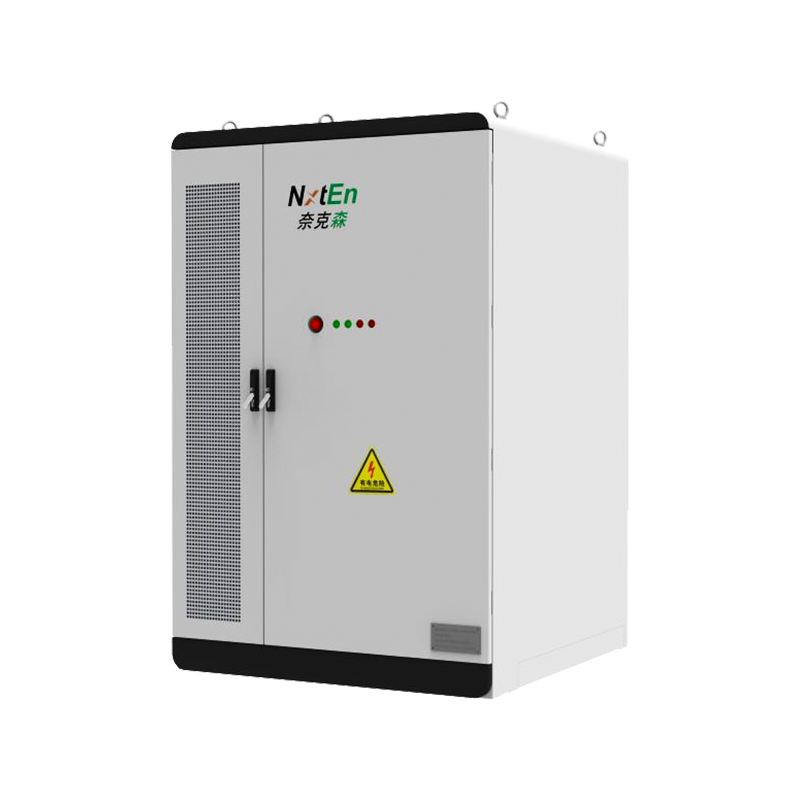
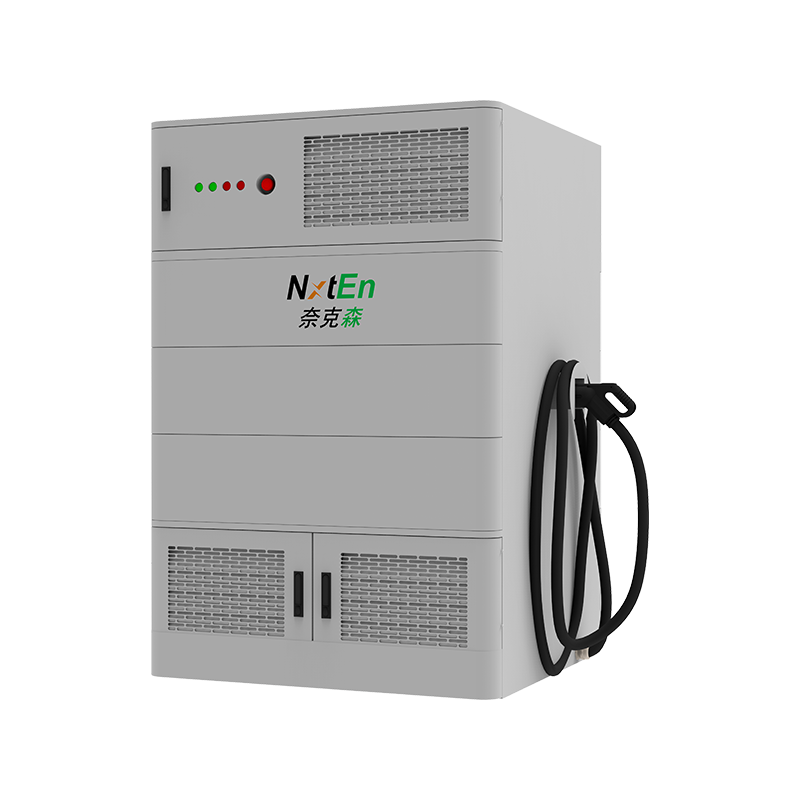
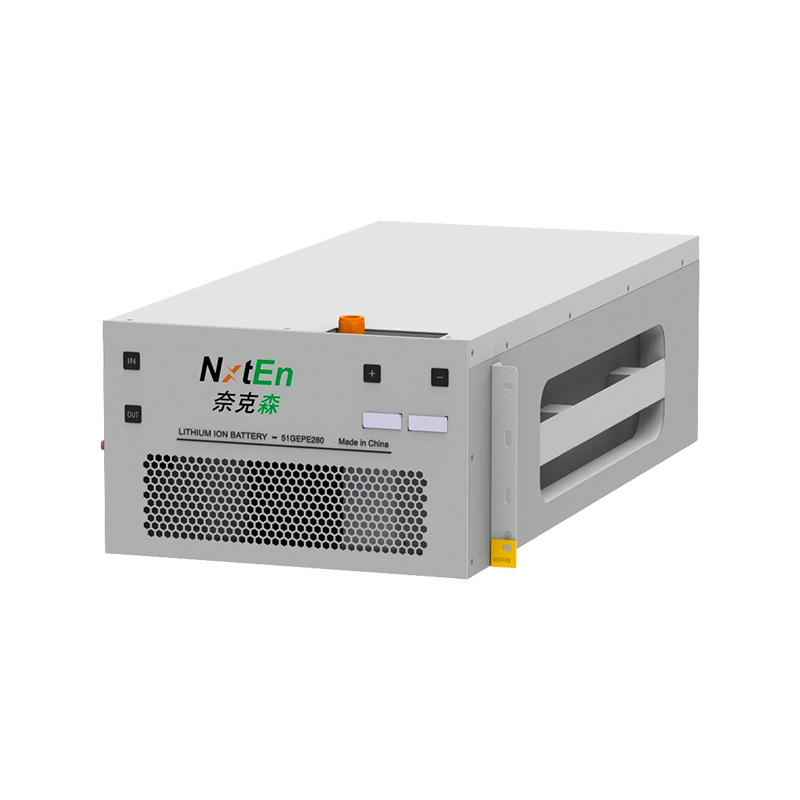
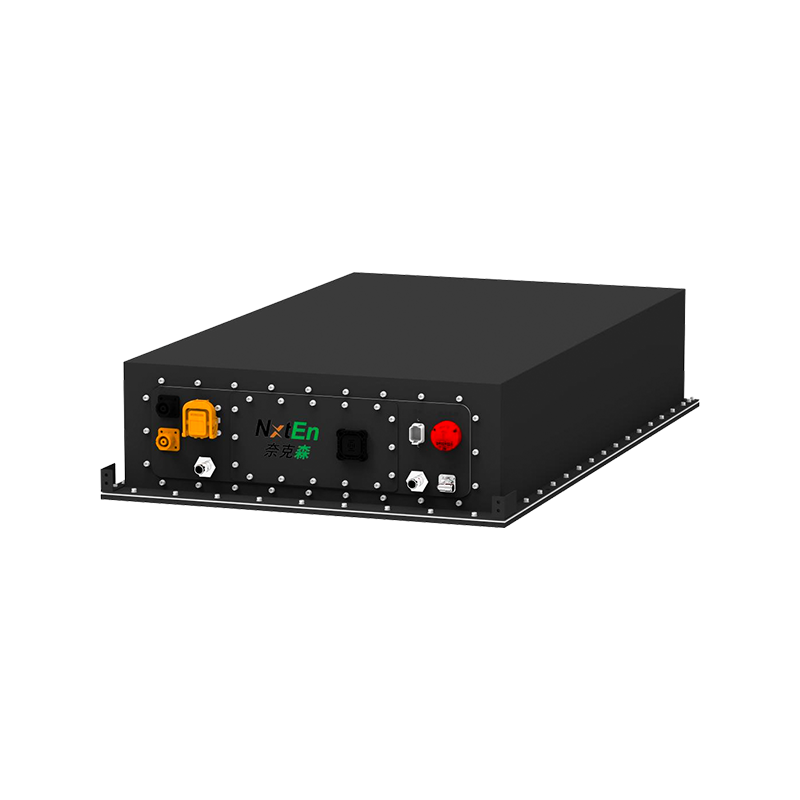
Nxten's residential energy storage battery systems are large-capacity solutions designed specifically for residential applications — efficiently storing green electricity generated by photovoltaic solar systems for use during peak tariff periods or at night. In the event of a grid outage, the system automatically switches to backup power within milliseconds, ensuring uninterrupted operation of critical household loads without any manual intervention required.

 +86-0574-62165160
 +86-18958222822
 No. 95-1, South Guangming Road, Simen Town, Yuyao City, Zhejiang Province, China

