

 English
 русский
Home / News / Industry News / BESS Batteries: How Battery Energy Storage Systems Work and What to Check Before Buying
Industry News

A wind farm at two in the morning produces power almost nobody wants, and the same grid pays several times more for electricity at eight in the evening. Battery energy storage systems — BESS — exist to close exactly that gap, and the batteries inside them set the limits of what can be closed profitably. If you are comparing suppliers right now, here is the short answer: the cells matter, but you are really buying a coordinated system of cells, cooling, power conversion, and control software, and whichever of those is weakest defines your real-world performance.
This guide explains what a BESS battery actually is, what it does on a normal operating day, why lithium iron phosphate (LFP) has become the default chemistry, and which contract details separate a purchase that still satisfies in year eight from one that disappoints in year two.
BESS stands for battery energy storage system — a term deliberately broader than the batteries themselves. A BESS takes in electricity from solar arrays, wind farms, or cheap off-peak grid power, stores it in rechargeable cells, and releases it when prices, demand, or reliability call for it. Because each layer of that stack is sold separately, the first step in any serious procurement conversation is knowing which layer a quote describes:
The practical consequence: two quotes at the same price per kilowatt-hour can be entirely different products — a DC block (batteries plus BMS) that your team integrates, or a fully integrated AC system ready to energize on day one. Clarify scope before comparing numbers, because cell quality sets the ceiling for everything stacked above it. That is why established manufacturers either produce their own cells or audit their cell line item by item; at Nxten, cells, modules, packs, and complete systems come from one factory under one quality system.
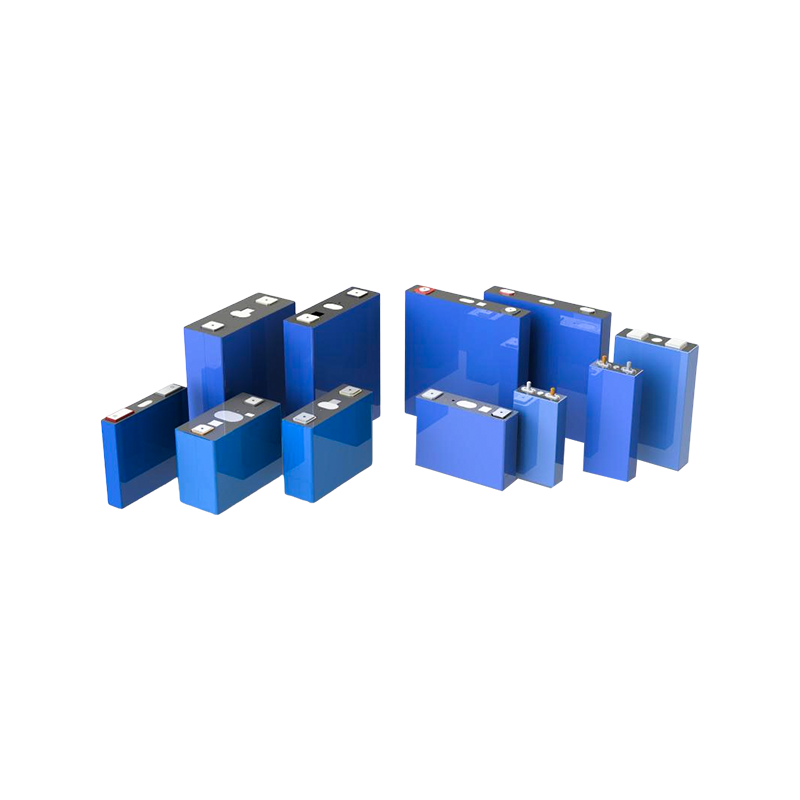 Lithium-Ion Battery Cells for Energy Storage SystemsCell quality sets the ceiling for every storage system built above it, which is why sourcing cells from one factory under one quality system matters. These high-density lithium-ion cells operate from −30°C to 60°C and support fast charge and discharge for grid dispatch.View Product →
The same hardware can earn or save money in several ways, and most projects combine two or three of them. Losses matter here: a modern LFP system typically returns 85 to 92 percent of the energy it takes in, measured AC to AC, so dispatch strategy influences annual returns as much as hardware selection does.
| Application | How the battery is used | Primary value driver |
|---|---|---|
| Peak shaving and tariff arbitrage | Charges when power is cheap or solar output is high, discharges during expensive peak hours | Lower demand charges and cheaper energy per shifted kWh |
| Renewable firming | Smooths output when clouds pass over arrays or wind drops | More self-generated power actually consumed on site |
| Frequency response and grid services | Follows dispatch signals within seconds | Revenue from ancillary-service markets |
| Backup power | Carries critical loads through grid failures | Continuity for operations that cannot tolerate outages |
| EV charging support | Buffers a limited grid connection at charging sites | Avoids or defers costly grid upgrades |
Stationary storage does not need to be light, but it must survive daily cycling for a decade and must never become a fire liability. Lithium iron phosphate wins on precisely those terms, and it now accounts for the large majority of new stationary installations worldwide.
| Chemistry | Typical cycle life | Energy density | Safety profile | Common BESS role |
|---|---|---|---|---|
| LFP | 3,000–6,000 cycles to about 80% capacity | Moderate | Very stable; high thermal-runaway onset temperature | Default for residential, C&I, and utility BESS |
| NMC | 1,500–2,500 cycles | High | More exothermic; demands stricter fire protection | Space-constrained installations |
| Sodium-ion | Early field data still maturing | Moderate | Stable; strong low-temperature performance | Emerging in cold climates and cost-driven projects |
| Lead-acid | 300–1,200 cycles, duty dependent | Low | Mature; requires ventilation and upkeep | Legacy backup and low-duty roles |
Two notes worth carrying into negotiations. First, a cycle-life number means nothing without its conditions — 6,000 cycles to 70 percent retained capacity is not 6,000 cycles to 80 percent. Second, sodium-ion deserves attention for cold climates thanks to its low-temperature behavior, but large-scale field data is still accumulating, so treat it as a complement to LFP today rather than a replacement.
Heat ages batteries, and uneven heat ages them unevenly. When some cells run hotter than others, they degrade faster, and the BMS then throttles the entire rack to protect the weakest cell — so the cooling design quietly determines usable capacity year after year.
Air-cooled packs are simpler, cheaper, and easier to service. They suit residential systems, portable units, and commercial cabinets with moderate energy density and gentle daily duty, where the thermal load is manageable without pumps and coolant loops.
Liquid cooling holds cell-to-cell temperature spread near ±3°C even at high charge and discharge rates, enables current-generation containers to reach 5 MWh-class capacity in a single 20-foot unit, and has become the standard for utility-scale projects and heavily cycled commercial sites. The trade-offs are higher upfront cost and a maintenance plan that must cover pumps, coolant condition, and leak monitoring. We walk through the full decision logic in our comparison of air-cooled and liquid-cooled storage systems.
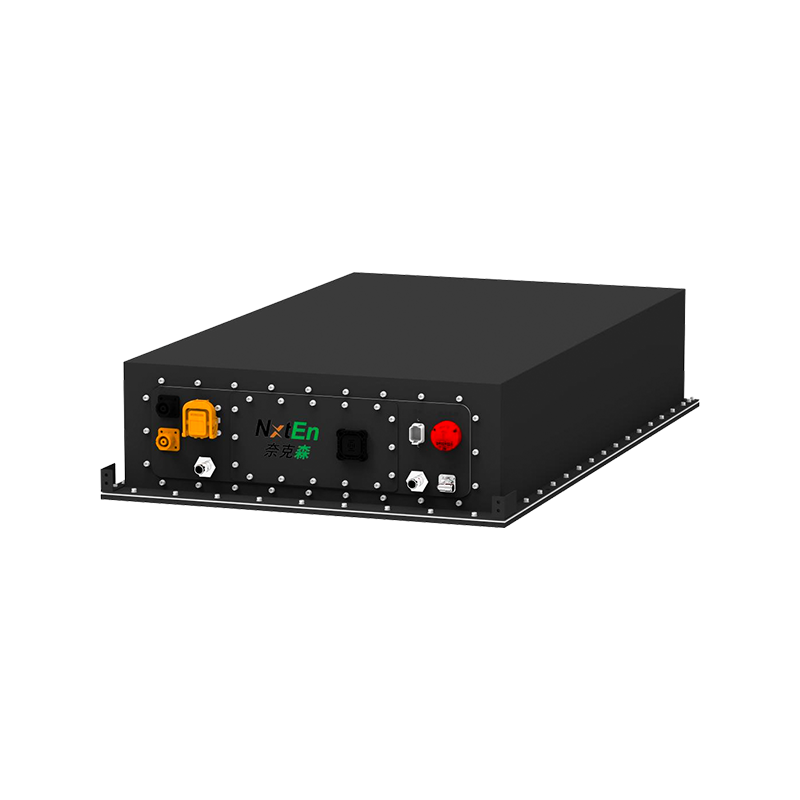
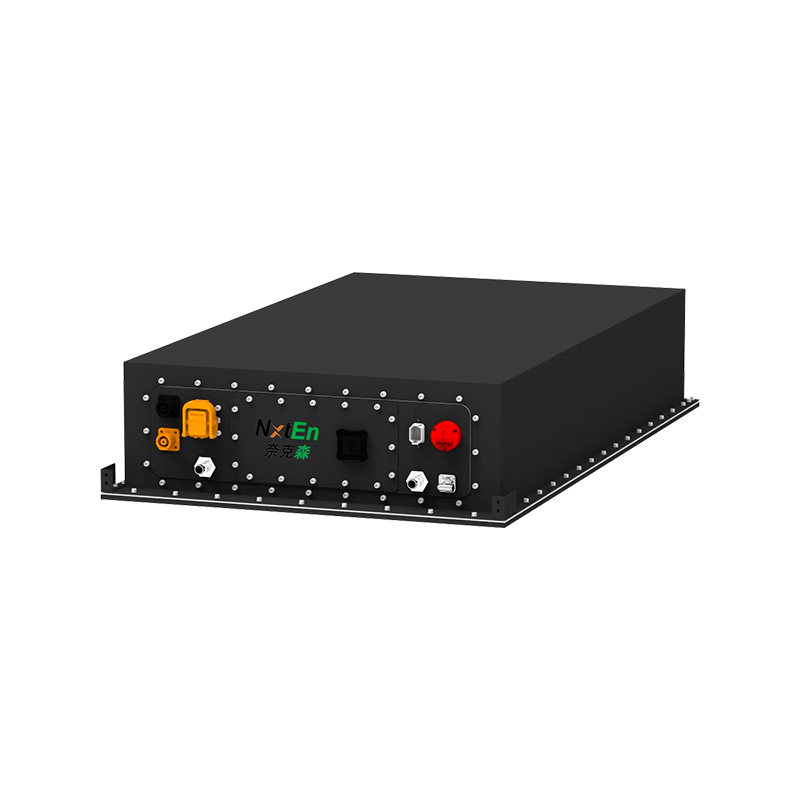 Liquid-Cooled Battery Energy Storage PackFor utility-scale and heavily cycled projects, liquid cooling keeps cell temperature spread near ±3°C, slowing degradation and enabling dense 5 MWh-class configurations. This pack shows how sealed, precise thermal management supports compact, long-life commercial storage installations.View Product →
There is no universally right size — the honest question is what duty the battery will actually see.
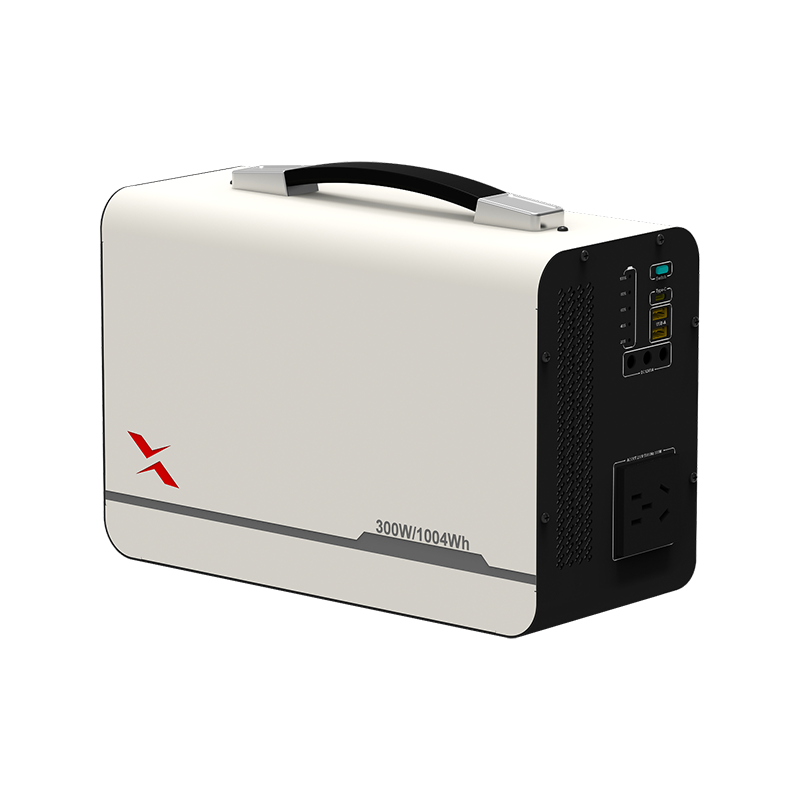
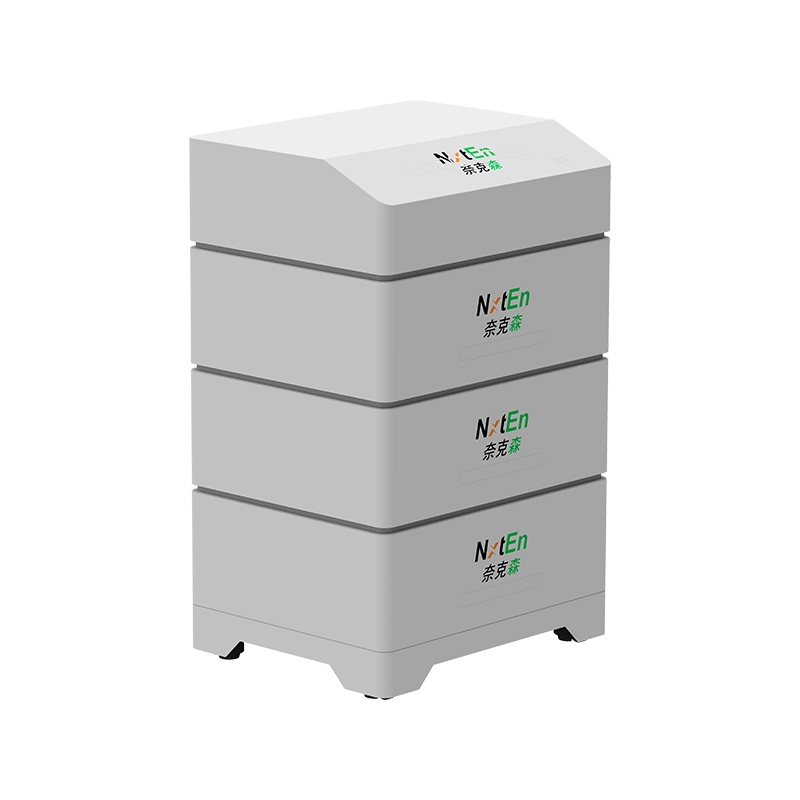
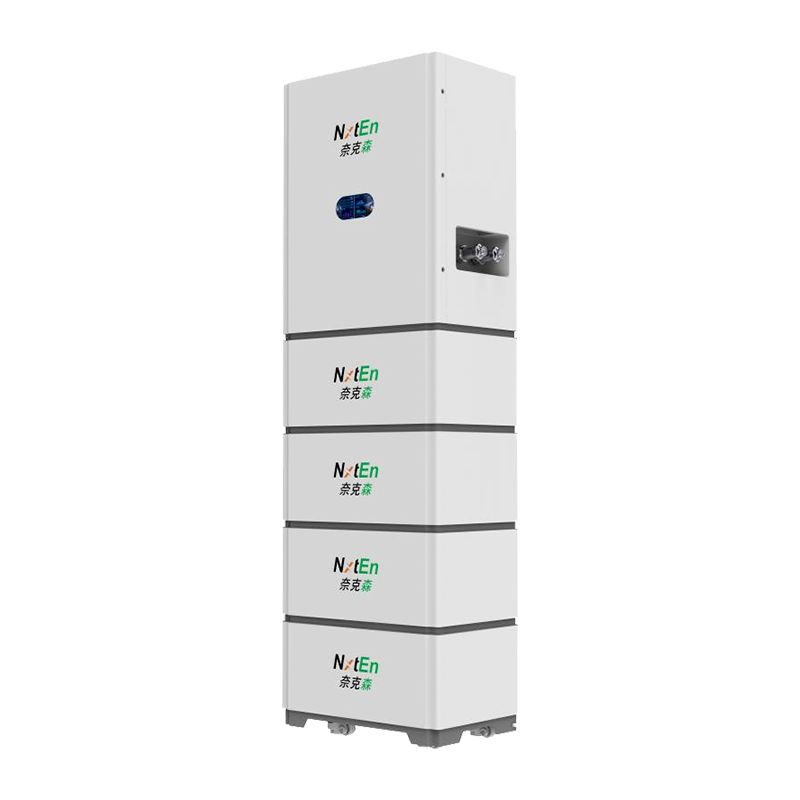
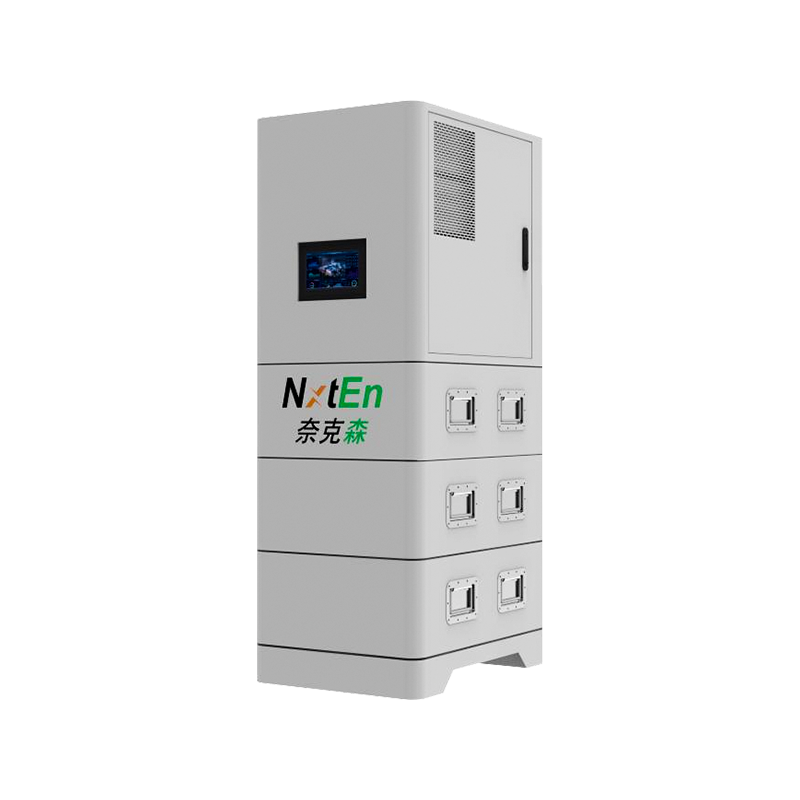
Residential packs in the 5–15 kWh range typically work alongside rooftop solar: charge at midday, discharge through the evening peak, and keep a reserve for outages. All-in-one units compress the battery, inverter, and controls into a single installable cabinet, which cuts installation time and removes integration risk for the installer.
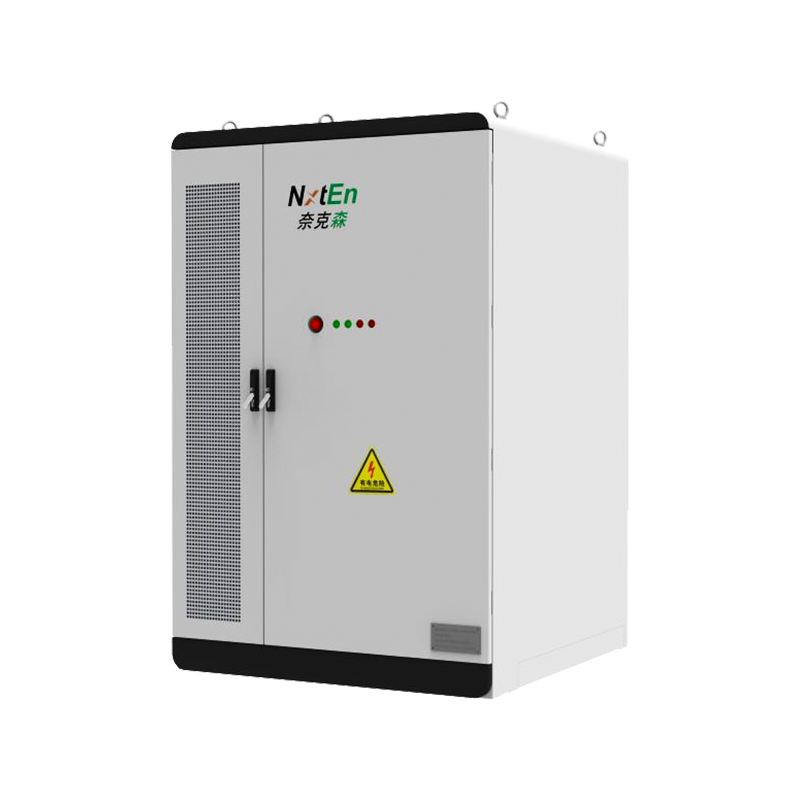
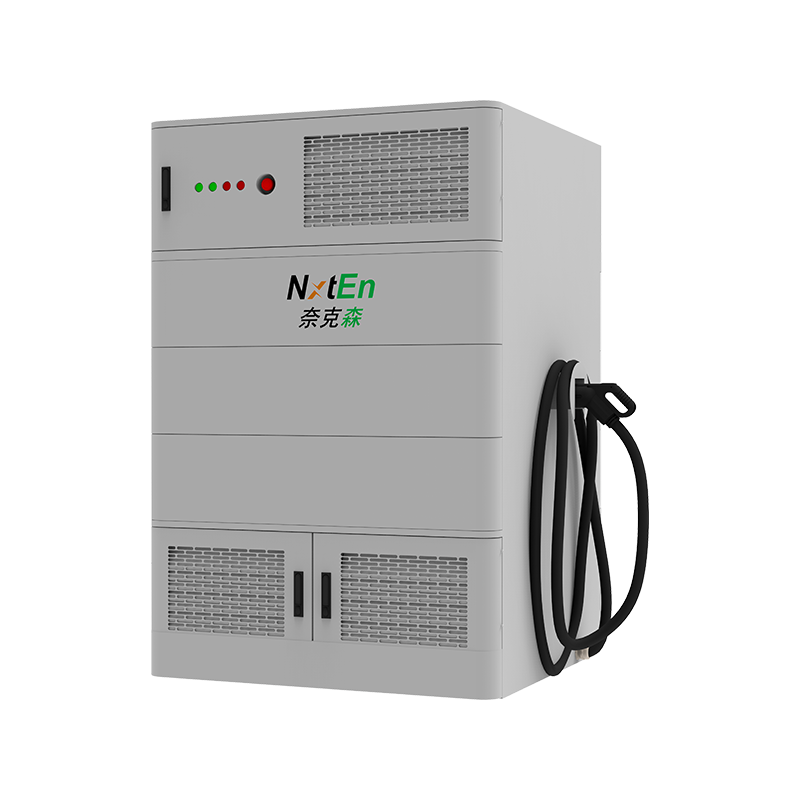
Businesses mostly buy to cut demand charges and protect critical loads. Outdoor cabinets in the 100–400 kWh class, air-cooled or liquid-cooled, connect behind the meter and stack in parallel as load grows; many sites pair them with PV and EV charging through integrated storage systems managed by one controller.
Where the grid is unreliable or absent, storage becomes the stabilizing core of a hybrid plant blending wind, solar, and diesel generation — the battery absorbs the variability so the gensets can rest and fuel costs fall.
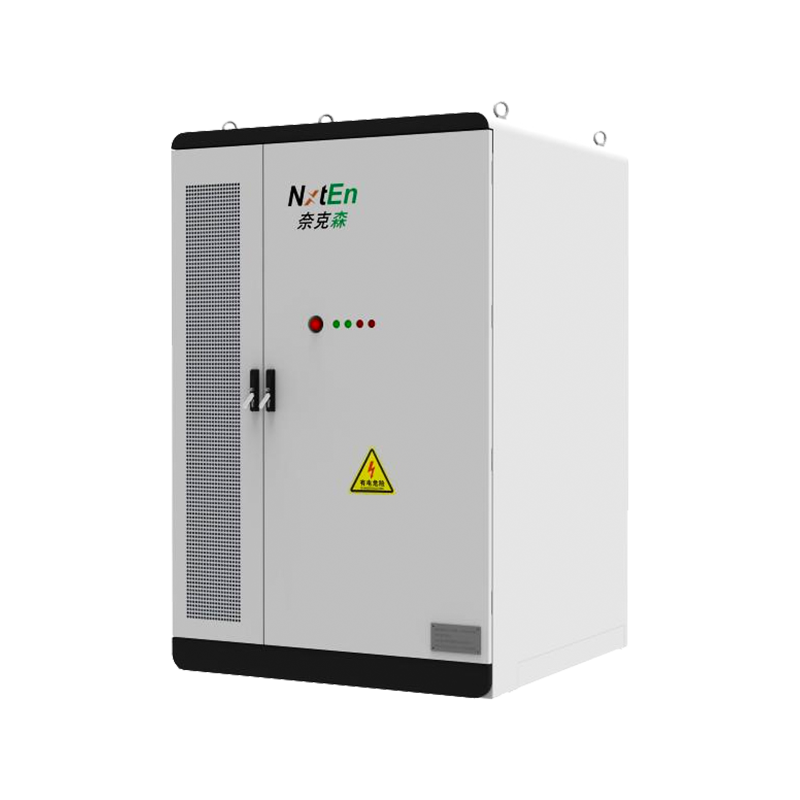 215/233kWh Liquid-Cooled Outdoor Commercial & Industrial Energy Storage CabinetA fully integrated AC-ready cabinet combining LFP batteries, PCS, EMS, and liquid cooling in one enclosure. It suits hybrid plants where unreliable grids demand stabilizing storage, with multi-level safety protection and parallel expansion for flexible capacity.View Product →
BESS procurement failures are rarely dramatic. They are slow disappointments: capacity that fades early, a warranty that excludes the exact failure you experience, or a BMS that will not communicate with your inverter. Put these items on the table before signing:
That final point explains why vertical integration carries more weight in batteries than in most purchases. When one factory controls cells through finished systems — as we do at Nxten, manufacturing to UL 1973 and IEC 62619 under an IATF 16949 quality system — warranty claims are answered by the people who built the product, not negotiated between suppliers.
The takeaway in one line: buy the system, not just the batteries. Proven LFP cells, cooling matched to your duty cycle, warranty terms written with conditions attached, and a supplier accountable from cell to container — get those four right, and the hardware will still be earning at year ten.

 +86-0574-62165160
 +86-18958222822
 No. 95-1, South Guangming Road, Simen Town, Yuyao City, Zhejiang Province, China

