

 English
 русский
Home / News / Industry News / Distributed Generation: Why Energy Storage Is the Key to Grid Resilience
Industry News

At an industrial park, rooftop solar panels push peak power at noon. In a residential neighborhood, a 10 kWh battery cabinet takes over the load after sunset. This is distributed generation in action: power is produced near the point of use instead of coming from a centralized plant hundreds of miles away. But the sun does not shine at night, and wind turbines do not spin on demand. Without reliable storage, distributed generation only covers part of the day. That is why modern distributed generation projects must treat energy storage as a core component, not an optional add-on.
Distributed generation refers to any electricity production that occurs at or near the point of consumption. A rooftop solar array, a small wind turbine, a combined heat and power unit, and an industrial battery cabinet all fall under this umbrella. The common thread is that power does not have to travel through long transmission lines to reach the user.
The practical benefit is a more resilient and efficient grid. A single large power plant can become a single point of failure. Distributed generation spreads risk and reduces transmission losses. According to the U.S. Environmental Protection Agency, distributed generation can also lower environmental impacts by using renewable sources and reducing the need for new transmission infrastructure. However, the intermittent nature of these sources is the fundamental challenge that owners face.
The main distributed generation technologies include:
Battery storage is unique because it does not generate electricity by itself; it stores and dispatches it. That is why storage is often called the enabler of distributed generation. The cell is the smallest unit in this chain, and its quality determines the performance of the whole system.
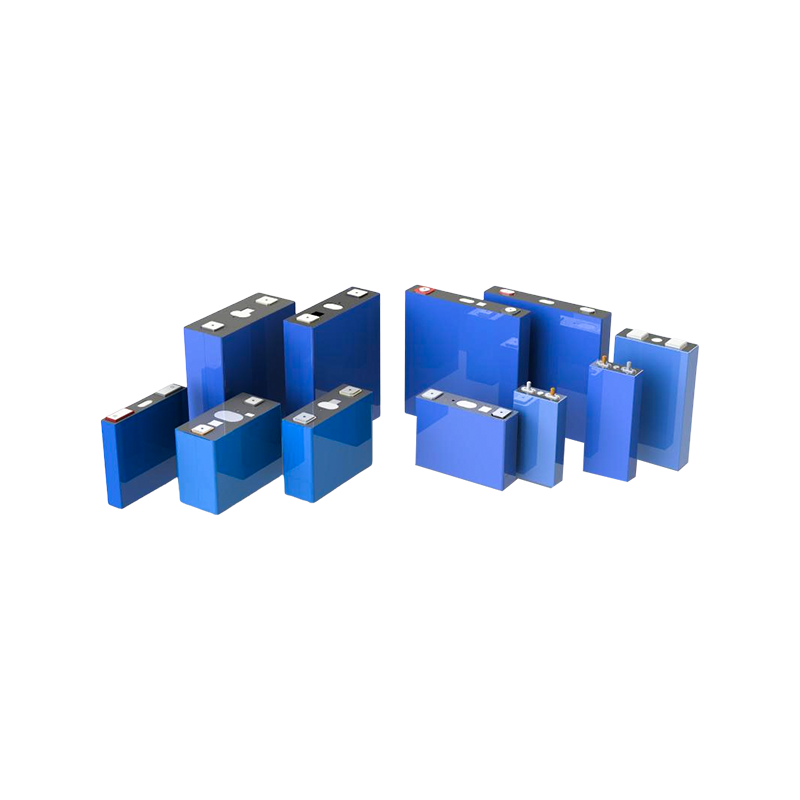 High-Energy-Density Lithium-Ion Battery Cells for Reliable Energy StorageThese lithium-ion cells feature high energy density, wide temperature operation, and multi-level safety protection. They are the fundamental building blocks for efficient storage systems, ensuring long cycle life and performance in diverse environments.View Product →
Imagine a commercial building with rooftop solar. The PV array may generate 500 kW during midday, but the building's demand peaks in the early evening. Without storage, the owner either sells the surplus to the grid at a low price or curtails production. With an integrated battery system, the surplus is shifted to the time of highest demand. This simple time-shifting operation can improve self-consumption from roughly 30% to more than 80% in many cases. For residential users, the same principle applies: a battery stores solar power during the day and powers the home after sunset.
For industrial and utility-scale projects, storage does more than time-shift solar generation. It also provides frequency regulation, voltage support, and backup power when the grid fails. A distributed storage system can be dispatched to balance local grid conditions, reducing the need to upgrade distribution lines.
Typical storage applications in distributed generation include:
Each application has a different load profile and autonomy requirement. A home may need 10 kWh to ride through a two-hour outage, while an industrial facility may need 400 kWh to shift a full evening peak. The right storage system depends on the specific scenario.
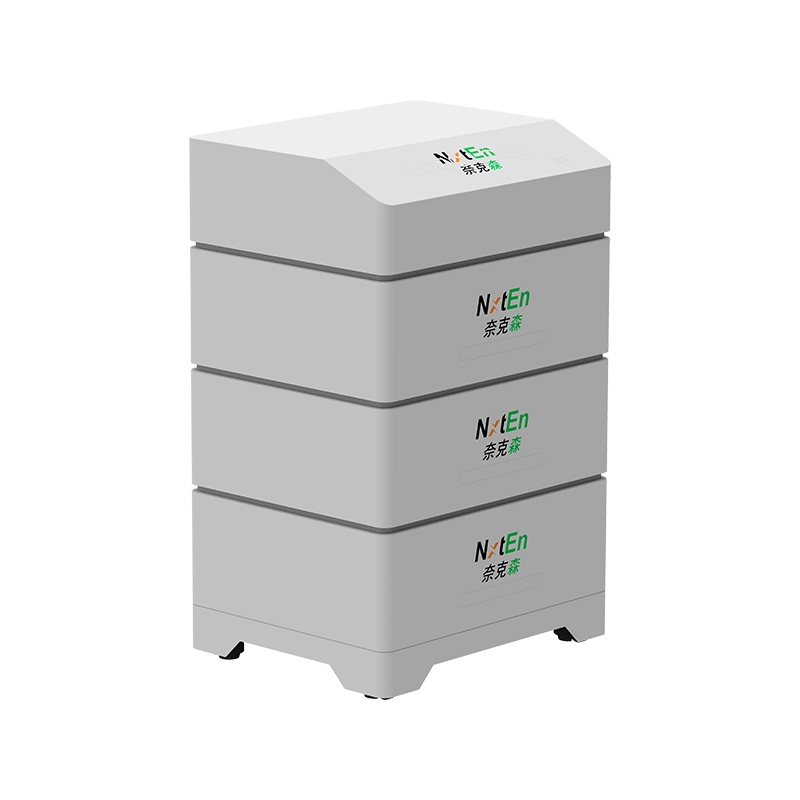
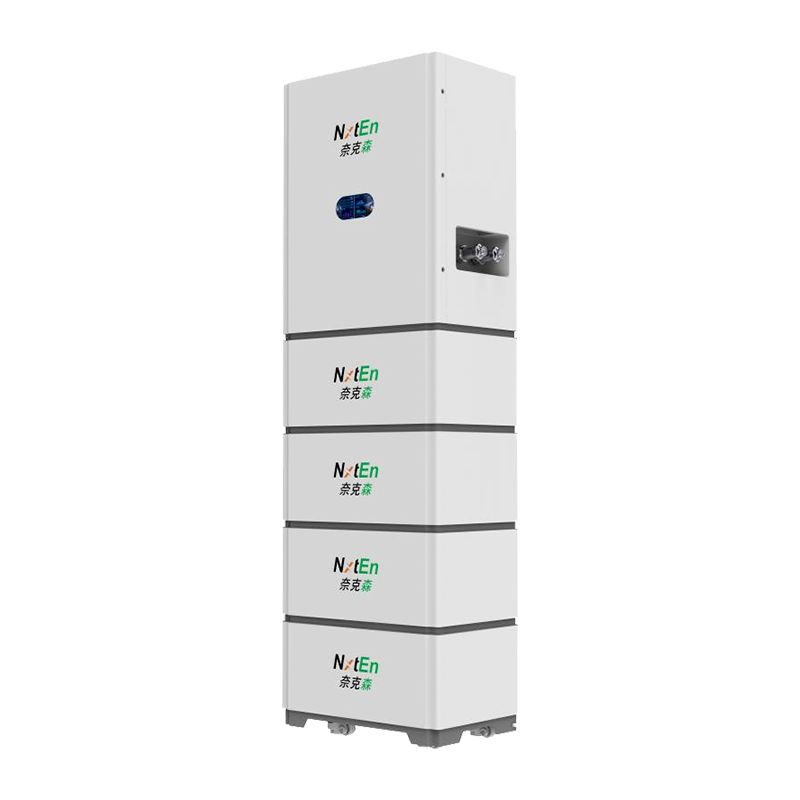
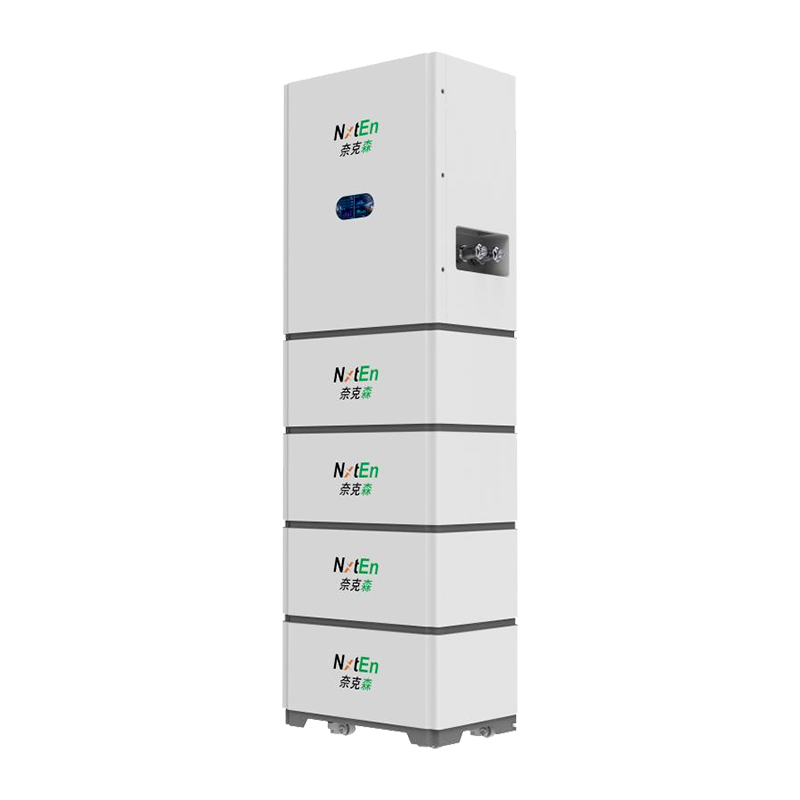 All-in-One Residential Energy Storage System with Expandable Battery CapacityThis cabinet-style system integrates a hybrid inverter and stackable battery modules, offering 5-20kWh flexible capacity. It intelligently manages solar, grid, and battery power for maximum self-consumption and savings.View Product →
When you evaluate storage for distributed generation, thermal management is one of the first decisions. Air-cooled systems are usually simpler and cheaper for smaller installations, while liquid-cooled units handle higher power density and more extreme ambient temperatures. A practical example: an outdoor industrial cabinet in a hot climate may need liquid cooling to keep cell temperature within the optimal 15-35°C range. If the battery overheats, cycle life can shrink by half.
| Feature | Air-cooled | Liquid-cooled |
|---|---|---|
| Typical capacity | Up to 200 kWh | 215-400 kWh per cabinet |
| Cooling uniformity | Good for small packs | Advanced internal piping |
| Maintenance complexity | Lower | Higher |
| Best suited for | Residential and small C&I | Outdoor C&I and grid support |
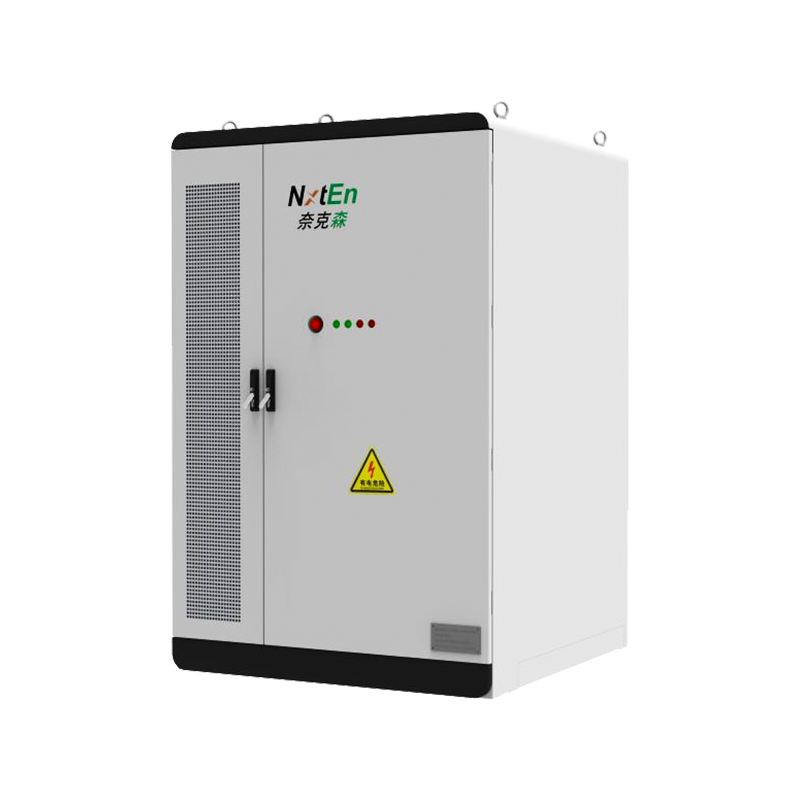
A liquid-cooled 215-233 kWh cabinet is a common choice for outdoor commercial and industrial sites where space is limited and cooling loads are high. The internal piping system keeps cell temperature more uniform than air flow, which is critical when the cabinet is placed in direct sunlight. For a smaller residential system, air cooling is often sufficient, and the lower initial cost makes it attractive.
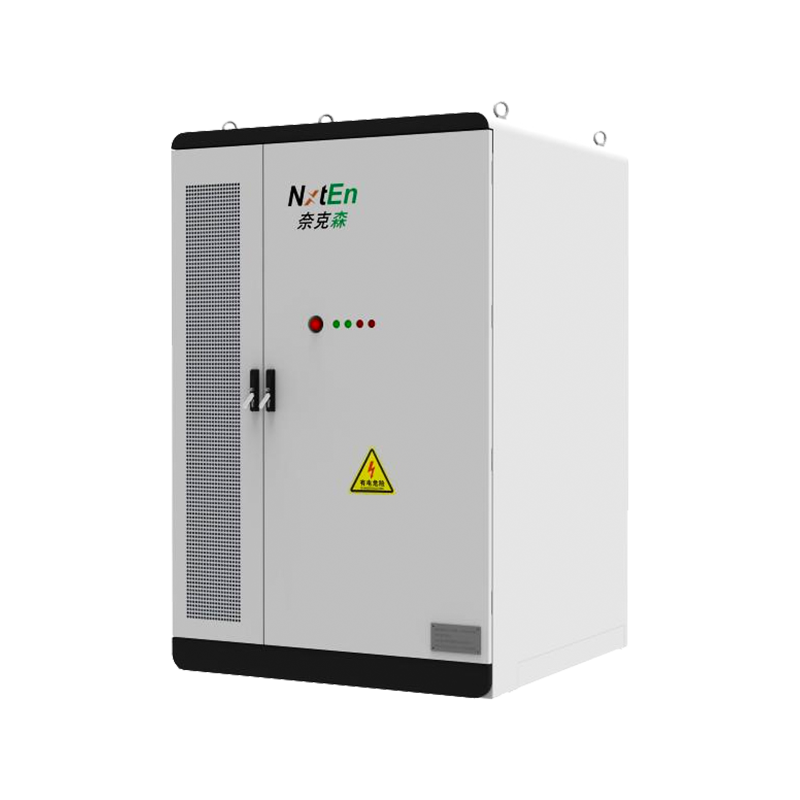 Liquid-Cooled Outdoor Energy Storage Cabinet for Commercial and Industrial UseThis 215-233kWh cabinet combines LFP batteries, intelligent liquid cooling, PCS, and EMS in a compact modular design. It maintains optimal cell temperature, enhances safety, and suits space-limited outdoor sites.View Product →
In many distributed generation projects, one generator cannot satisfy all load conditions. A microgrid integrates multiple sources, storage, and intelligent controls to balance supply and demand within a local area. For example, an electricity-hungry island that relies on diesel can add solar panels and a battery bank to cut fuel consumption. When the sun is shining, the battery charges; when the sun goes down, the diesel generator runs for fewer hours. In some cases, wind and solar together can reduce diesel run time substantially.
For remote facilities that have no grid access, a hybrid system is the only practical solution. The integration of generation sources requires careful sizing and control design to prevent voltage fluctuations and frequency deviations. This is where professional engineering experience matters as much as hardware quality.
Before committing to a storage vendor, verify the certifications that match your market. UL 1973 and IEC 62619 are common safety standards for battery systems; IATF 16949 indicates the manufacturing process follows automotive-grade quality controls. A supplier with in-house cell production and vertical integration can shorten lead times and provide a single point of responsibility. One risk to avoid is buying a system with unverified cycle-life claims. Ask for a datasheet that states the cycle count at 80% capacity retention, not just a marketing figure. Learn more about what energy storage battery cells are and why they matter.
Grid interconnection rules also vary by region. In some jurisdictions, distributed generation systems must comply with IEEE 1547 or local utility requirements. A reputable supplier should proactively share design guidance and compliance documentation. The host utility's approval process may take weeks, so do not underestimate the value of a partner who has done it before. We recommend starting with a load profile analysis to avoid oversizing or undersizing the system.
Another procurement consideration is warranty and after-sales support. A 10-year warranty on cycle life and a local service network are worth more than a lower upfront price. If the supplier cannot clearly explain the degradation curve, ask for independent test data.
Whether you are planning a residential solar-plus-storage system or a 400 kWh industrial cabinet, the decision process starts with a clear load profile and an honest assessment of local grid conditions. Start with the following checklist:
Distributed generation is not just a trend; it is a practical way to lower energy costs, increase resilience, and reduce carbon emissions. The key is to pair generation with the right storage system. Nxten Energy Technology builds vertically integrated energy storage solutions and can help you size a system based on your actual use case. If you are evaluating a distributed generation project, start with a conversation about your load profile, not with a product brochure.

 +86-0574-62165160
 +86-18958222822
 No. 95-1, South Guangming Road, Simen Town, Yuyao City, Zhejiang Province, China

