English
 русский
Home / News / Industry News / RV Lithium Ion Battery Guide: Sizing, Safety, Cold Weather, and Buying Checks
Industry News

Content
A 100Ah lead-acid battery gives a typical RV roughly 0.6 kWh of usable energy before it is damaged; a 100Ah LiFePO4 RV battery gives about 1.0–1.15 kWh in a lighter package. That difference, not the amp-hour label alone, is why an RV lithium ion battery upgrade can feel like adding a second battery. The practical conclusion: upgrade when you need more usable capacity, faster charging, and less weight; wait if the RV will be charged below freezing without a heated battery, or if the existing charger cannot be set to a lithium profile.
Most RV lithium batteries are LiFePO4 (LFP) packs with a nominal 12.8V, built from four cells in series for 12V systems; 24V and 48V packs add more cells in series. LFP is common in RVs because its thermal stability and cycle life suit sleeping areas and long charging periods. The pack is not just cells: a battery management system (BMS) balances cells, limits current, and disconnects when voltage or temperature leaves the safe window.
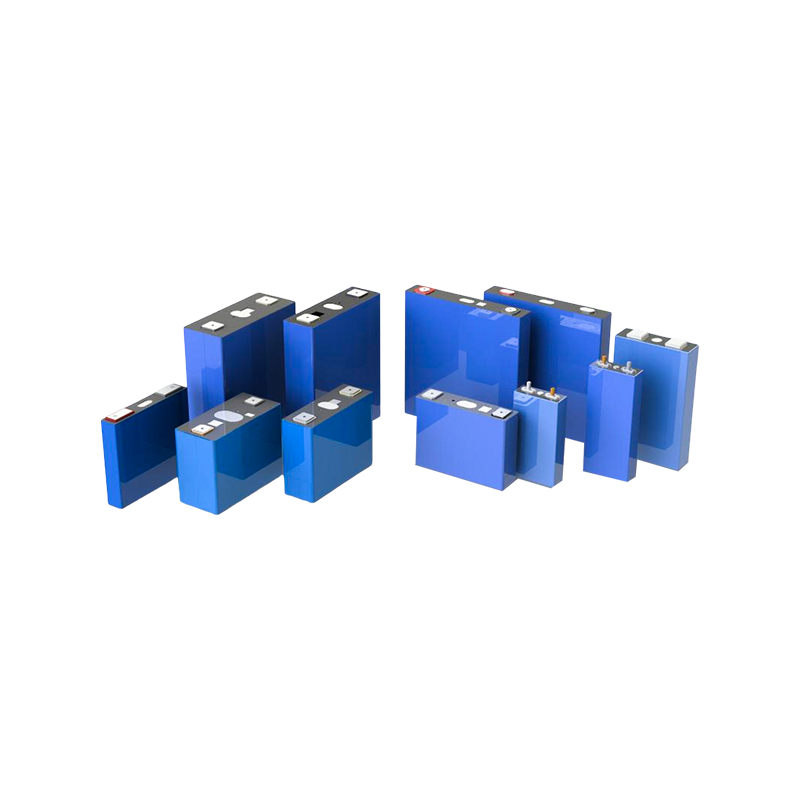
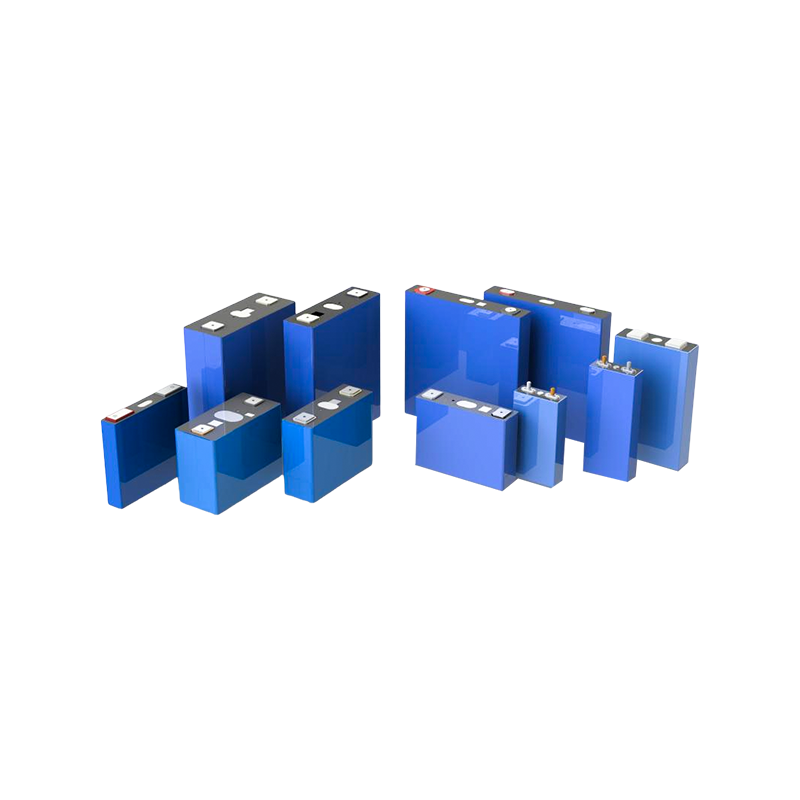 Nxten LiFePO4 Battery Cells for Energy StorageCompare 50Ah to 314Ah cell models with varied cycle-life ratings and safety features; useful when assessing what sits inside an RV LFP pack.View Product →
Cell quality is invisible in a catalog photo. Two 100Ah batteries can use cells with different matching, internal resistance, and cycle-life grading. Ask whether cells are grade A, how they are matched, and whether the BMS balances at cell level. A low price often hides lower usable capacity, a weaker continuous discharge rating, or no low-temperature charge cutoff.
| Metric | Lead-acid 100Ah | LiFePO4 100Ah |
|---|---|---|
| Nominal voltage | 12V | 12.8V |
| Usable energy at recommended DoD | About 0.6 kWh at 50% DoD | About 1.0–1.15 kWh at 80–90% DoD |
| Cycle life | About 300–500 cycles | About 3,000–5,000 cycles |
| Typical weight | 25–30 kg | 10–14 kg |
| Charging efficiency | About 70–85% | About 95% or higher |
| Cold charging | Restricted near freezing; needs care | Must stop below 0°C unless heated |
For buyers, the key number is usable kWh at the depth of discharge the warranty allows. A 200Ah LFP pack is 2.56 kWh nominal at 12.8V, or about 2.3 kWh usable at 90% DoD.
Build a load list in watt-hours. A 12V compressor fridge may use 0.8–1.2 kWh per day; lights and fans add 0.2–0.4 kWh; a laptop and router add 0.2–0.4 kWh; the inverter adds 5–15% losses. If the daily total is 1.9 kWh, a 2.3 kWh usable bank leaves a thin reserve. Keep 20–30% reserve for cloudy days, inverter surge, and aging.
Oversizing adds cost, weight, and charging time; undersizing forces deep cycles and early replacement. The target is a bank that covers a normal day plus a realistic reserve, with a BMS that can carry the inverter’s continuous load.
LiFePO4 cells can usually discharge below freezing, often to around -20°C, but charging below 0°C can cause lithium plating and permanent capacity loss. A quality BMS blocks charge current at low temperature, which also means the battery will not charge from solar or an alternator on a freezing morning. For winter use, specify a heated battery or keep the pack in a heated compartment.
A “drop-in” battery without low-temperature charge protection is a procurement risk. In a cold climate, the BMS may protect the cells and still leave the RV without charging for days. The fix is a heated pack, a warm mounting location, or a charging plan that matches the season.
For a 12V LiFePO4 pack, a common charge profile is 14.2–14.6V absorption and 13.4–13.6V float, with no equalization. The battery datasheet overrides those starting points. Lead-acid chargers with a fixed 14.8V or a desulfation mode can overcharge a lithium pack. A DC-DC charger is often the cleanest way to protect the alternator and control current from the vehicle.
If the inverter can draw more current than the BMS allows, the BMS will disconnect under load. That can damage equipment or leave the RV without power. The same applies to charging: too much current at low temperature or high state of charge can trigger protection.
Custom builders often need a pack shaped around a floor cavity, wheel arch, or service bay. The discussion then moves from “drop-in 100Ah” to cell format, module compression, busbar design, fuse placement, and BMS topology. Prismatic LFP cells are common for RV packs because they pack efficiently and are easier to clamp than cylindrical cells, but the module or pack still needs vibration, torque, and thermal checks.
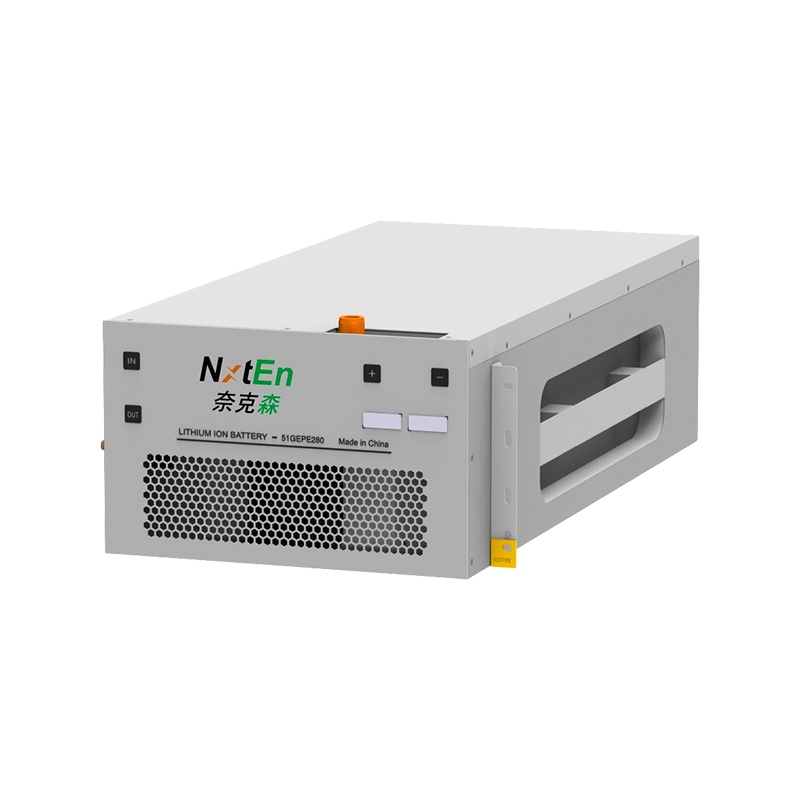
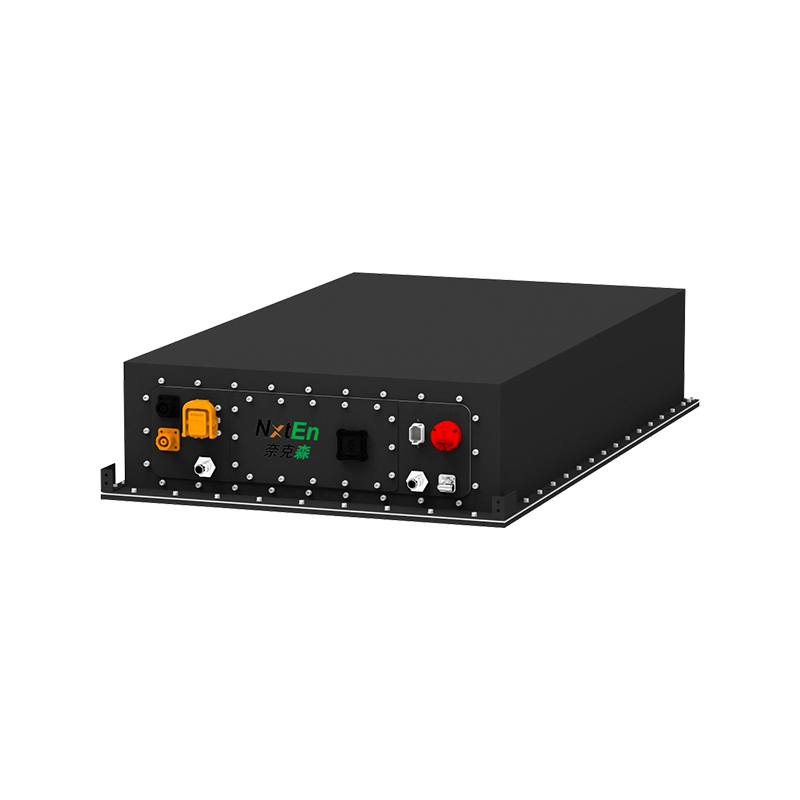
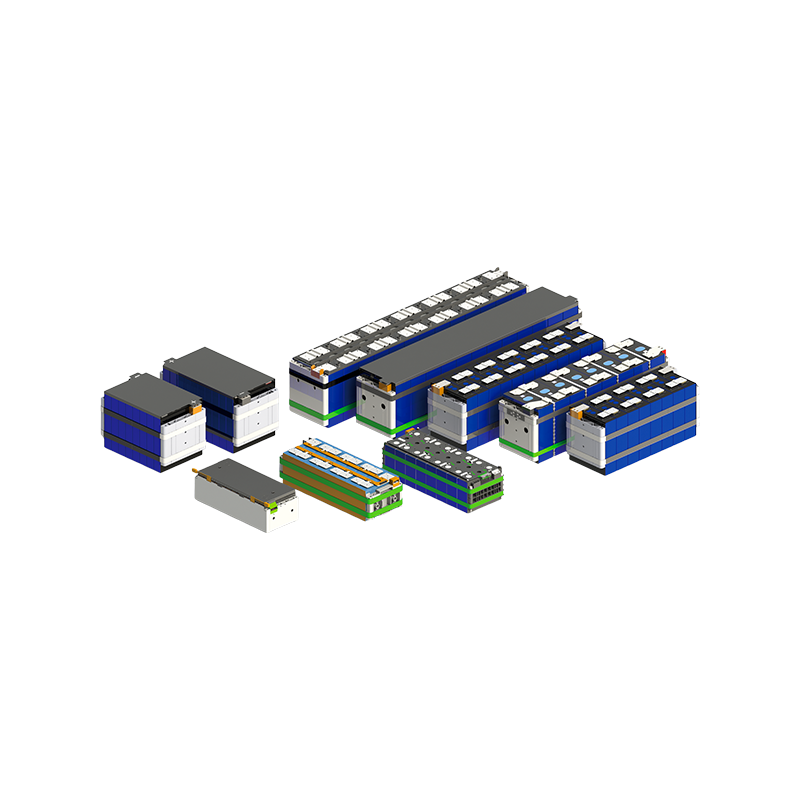 Nxten Lithium Battery Modules with Integrated BMSReview modular battery modules with cell-level temperature monitoring and fire-resistant materials for custom pack layouts where compartment fit and safety checks matter.View Product →
Cycle life is not one number. It depends on depth of discharge, temperature, charge rate, and time spent at high voltage. A baseline discussion of energy storage battery lifespan and efficiency helps set expectations, but the warranty is the document that matters. Ask for cycle life at a stated DoD and temperature, not a headline “10-year life” claim. Nxten’s cell-to-module-to-pack structure is useful when the RV converter needs a pack that fits a specific compartment rather than a generic box.
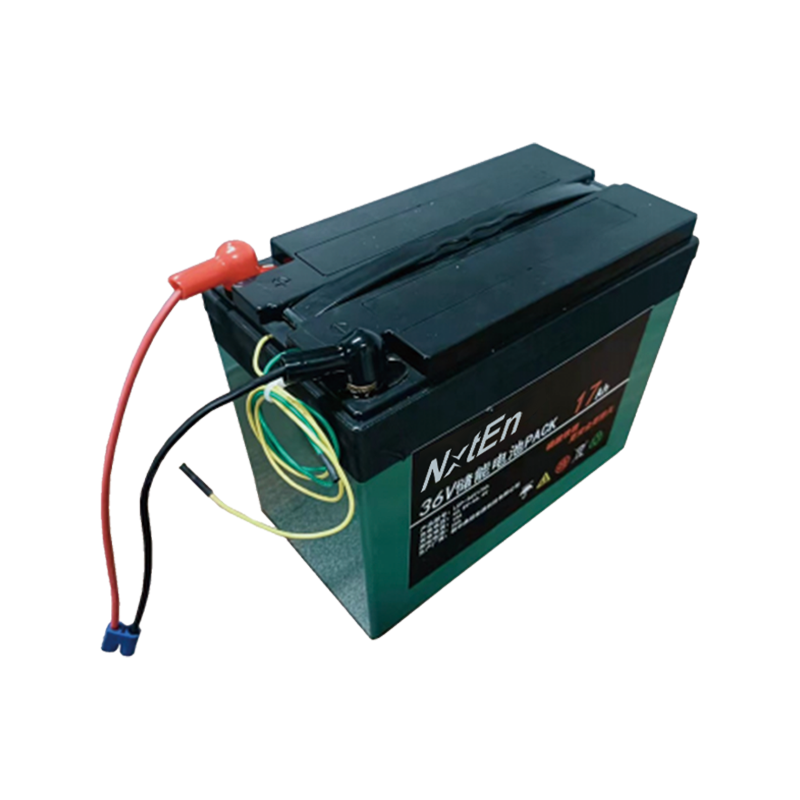
Not every RV needs a built-in bank. Tent trailers, rental vans, and small campers may use a portable energy storage pack that can move to a cabin, work site, or second vehicle. A portable pack is also useful as backup for CPAP, phones, and a fridge when the main battery is reserved for starting or emergency loads. The trade-off is capacity and integration: portable packs usually have a smaller inverter and may need a dedicated input to charge from the RV alternator.
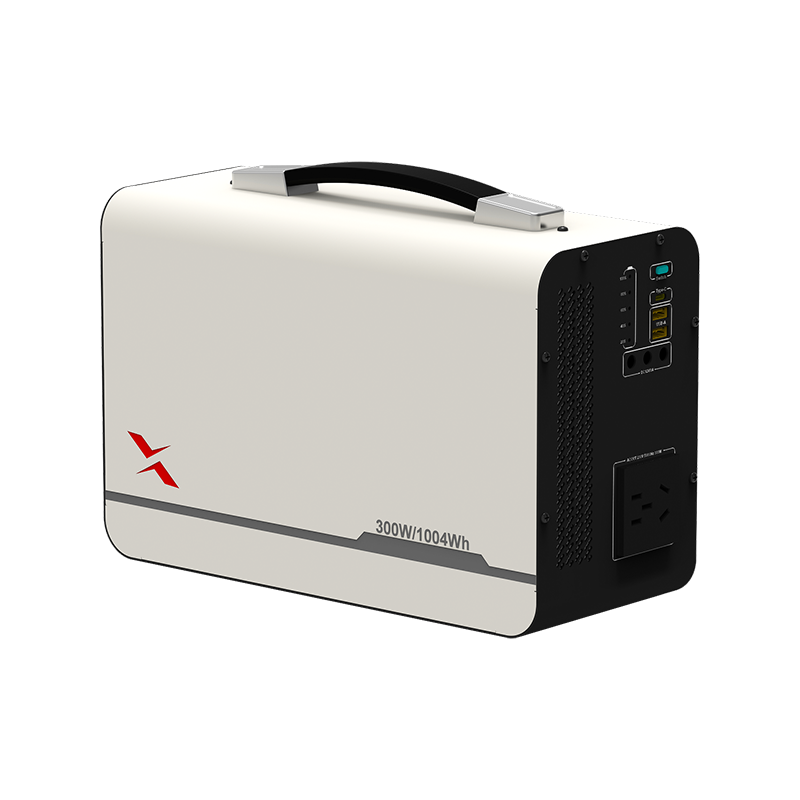 Nxten Portable Energy Storage Packs for Mobile PowerCompare 1–2 kWh portable packs with solar input, AC/DC outputs, and 6000-cycle cells for camping, backup, and mobile RV power needs.View Product →
Compare a portable pack with a built-in battery on usable Wh, continuous output, solar input limit, pass-through charging, and low-temperature charge protection. If the pack will live in the RV full time, a fixed LFP bank with a proper charger is usually more efficient. If it must move between applications, a portable pack can be the lower-risk first step.
A 100Ah battery with a 50A BMS is not the same product as a 100Ah battery with a 100A BMS. A pack rated for 3,000 cycles at 80% DoD may have a lower rating at 100% DoD or 45°C. The warranty should state capacity retention, operating temperature, and exclusions in plain language.
An RV lithium ion battery is a good upgrade when the usable kWh matches the daily load, the charger is set for lithium, and the BMS protects against cold charging and overcurrent. Calculate the load in Wh, keep a 20–30% reserve, and verify the low-temperature charge limit before winter use. If those checks pass, the lighter weight and faster recharge are practical gains. If they do not, fix the charging and thermal plan first; the battery will last longer and the RV will be more reliable.

 +86-0574-62165160
 +86-18958222822
 No. 95-1, South Guangming Road, Simen Town, Yuyao City, Zhejiang Province, China