English
 русский
Industry News
What a Lithium-Ion Battery Module Is
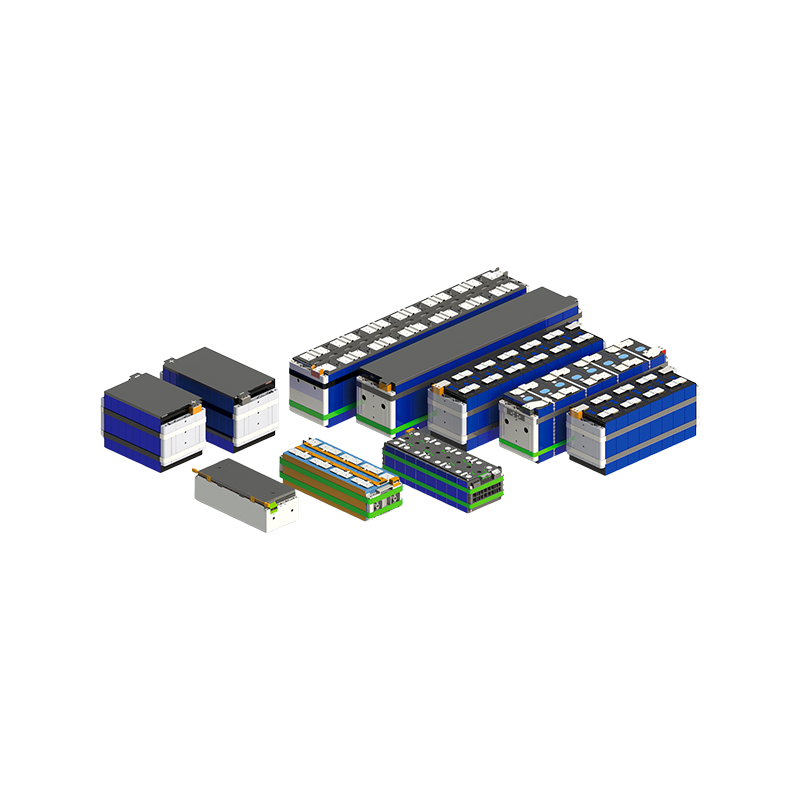
A lithium-ion battery module is a group of individual lithium-ion cells connected together electrically and packaged within a protective structure, along with monitoring and safety components, to function as a single, manageable power unit. Lithium battery modules serve as the intermediate building block between raw individual cells and a complete battery pack, allowing manufacturers to combine cells in series and parallel configurations to achieve a specific voltage and capacity while maintaining safety, thermal control, and structural integrity.
In simple terms, if a single lithium-ion cell is like one battery, a module is a pre-assembled cluster of those cells wired together with protective circuitry, and multiple modules are later combined to form a full battery pack used in applications ranging from electric vehicles to stationary energy storage systems.
Where Modules Fit in the Battery Hierarchy
The Three-Level Structure
Understanding lithium battery modules requires seeing how they fit within the broader battery construction hierarchy, which generally follows three levels of assembly.
| Level | Description |
|---|---|
| Cell | The smallest individual electrochemical unit that stores and releases energy |
| Module | A group of cells connected together with a protective housing and basic monitoring circuitry |
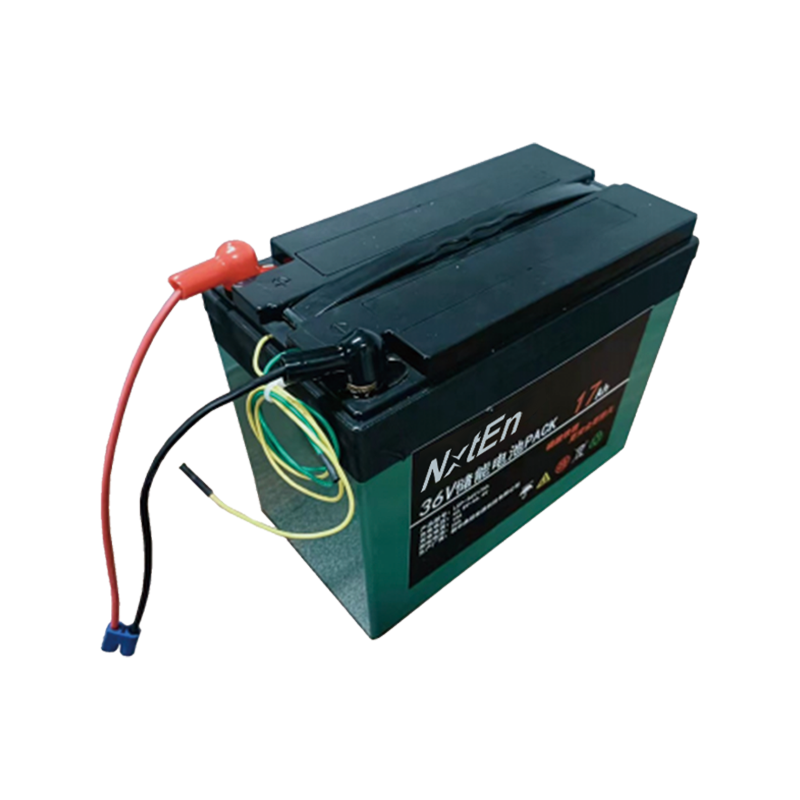
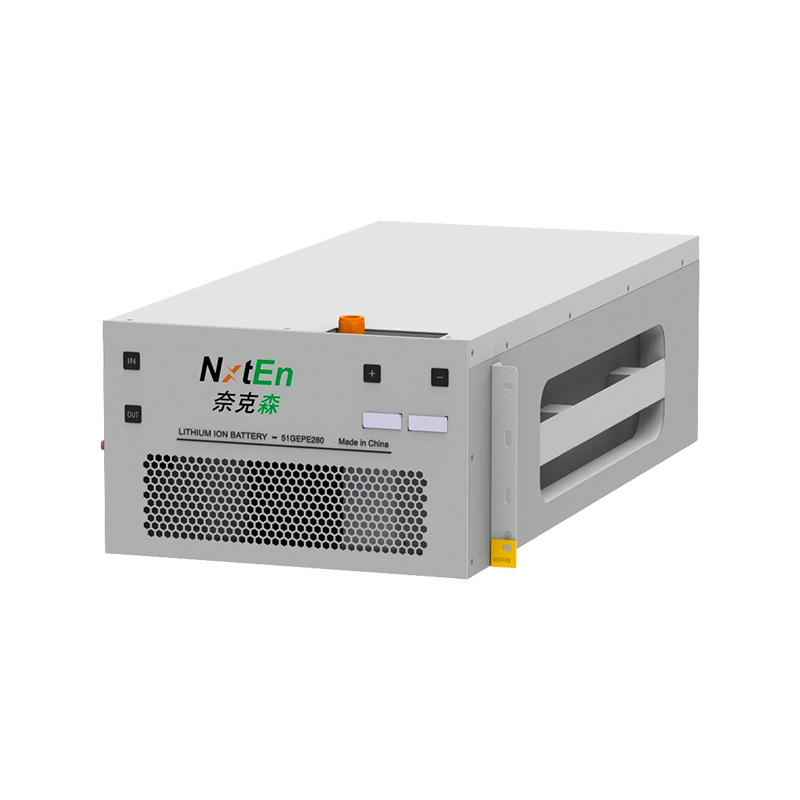
| Pack | Multiple modules combined with a full battery management system, cooling, and enclosure |
Why This Layered Approach Matters
Building batteries in modular stages rather than assembling thousands of individual cells directly into one massive pack offers major practical advantages. Modules allow for easier manufacturing standardization, simpler quality testing, and more straightforward maintenance, since a single damaged module can often be isolated or replaced without dismantling an entire pack.
Core Components Inside a Lithium Battery Module
A well-engineered lithium-ion battery module includes several essential components working together beyond just the cells themselves.
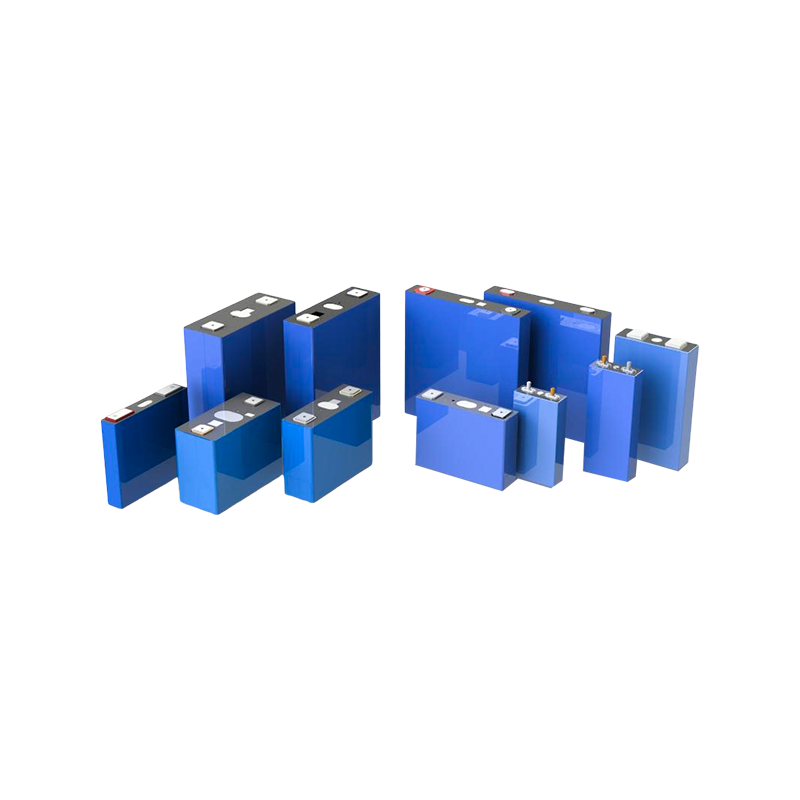
- Lithium-Ion Cells – The energy-storing units, typically arranged in cylindrical, prismatic, or pouch formats depending on the design.
- Busbars – Conductive metal strips that electrically connect cells in series or parallel configurations to achieve target voltage and capacity.
- Module Housing – A structural enclosure, often aluminum or reinforced plastic, that protects cells from mechanical shock, vibration, and environmental exposure.
- Thermal Management Interface – Cooling plates, thermal pads, or channels that help regulate temperature across the cell group.
- Module-Level Monitoring Circuitry – Sensors that track voltage and temperature at the module level, feeding data to the broader battery management system.
Series and Parallel Cell Configurations Explained
The way cells are wired within a module directly determines its voltage and capacity output, which is a fundamental concept for understanding how lithium battery modules are engineered for specific applications.
- Series Connection – Connecting cells positive-to-negative increases total voltage while capacity remains equal to a single cell.
- Parallel Connection – Connecting cells positive-to-positive and negative-to-negative increases total capacity while voltage remains equal to a single cell.
- Series-Parallel Combination – Most modules use a combined configuration, often labeled with notation such as 4S2P, to balance both voltage and capacity requirements for the intended application.
For example, a module built with four cells in series and two in parallel would multiply the base cell voltage by four while doubling the available capacity, illustrating how configuration choices directly shape a module's performance profile.
Why Thermal Management Is Critical at the Module Level
Lithium-ion cells generate heat during both charging and discharging, and this heat becomes more concentrated as cells are packed closely together within a module. Without effective thermal management, uneven temperature distribution across cells can lead to accelerated degradation, reduced cycle life, and in severe cases, safety risks such as thermal runaway.
Common Cooling Approaches
Module designs typically incorporate one of several cooling strategies, including air cooling for lower-demand applications, liquid cooling plates for higher-performance systems, and phase-change thermal materials that absorb heat during peak load conditions. The choice of cooling method depends heavily on the module's intended charge and discharge rates, as well as the ambient operating environment.
Common Applications of Lithium Battery Modules
Lithium-ion battery modules serve as the foundational building block across a wide range of energy storage and mobility applications, each with distinct performance priorities.
| Application | Primary Design Priority |
|---|---|
| Electric Vehicles | High energy density and fast charging capability |
| Grid-Scale Energy Storage | Long cycle life and consistent performance over years |
| Home Backup Power Systems | Reliability and safe indoor operation |
| Industrial Equipment | Durability under repeated high-load cycling |
Safety Features Built Into Modern Modules
Because lithium-ion chemistry carries inherent thermal and electrical risks if mismanaged, modern lithium battery modules integrate multiple layers of protection beyond the pack-level battery management system.
- Fuses and Circuit Protection – Interrupt current flow if abnormal conditions such as overcurrent are detected.
- Insulation Barriers – Prevent unintended electrical contact between cells or with the module housing.
- Thermal Fuses or Cutoffs – Physically interrupt circuits if temperatures exceed safe operating thresholds.
- Venting Structures – Allow controlled gas release in the rare event of cell failure, reducing pressure buildup risk within the module housing.
These layered safety mechanisms are a key reason why properly engineered lithium-ion battery modules can be deployed reliably across demanding applications like electric vehicles and large-scale energy storage installations.
Key Factors When Selecting Lithium Battery Modules
For system integrators and engineers evaluating lithium battery modules for a specific project, several technical factors deserve close attention beyond simply comparing voltage and capacity figures.
- Cycle Life Rating – Indicates how many charge-discharge cycles the module can sustain before capacity drops below a specified threshold, often expressed at 80 percent retained capacity.
- Discharge Rate Capability – Determines how much current the module can safely deliver for high-power applications.
- Operating Temperature Range – Affects performance consistency in extreme climates or demanding industrial settings.
- Mechanical Compatibility – Module dimensions and mounting design must align with the target enclosure or vehicle platform.
As a company specializing in energy storage solutions, engineering lithium battery modules with balanced cell matching, robust thermal design, and integrated safety monitoring plays a direct role in ensuring long-term reliability across electric vehicle, industrial, and stationary storage applications. Selecting modules built to consistent quality standards, backed by transparent technical specifications, helps system designers achieve dependable performance throughout the full service life of the battery system.