English
 русский
Industry News
Energy Storage Batteries: The Direct Answer
Energy storage batteries are rechargeable systems built from individual Battery Cells that are wired together into modules and packs to store electrical energy for later use, most commonly from solar power, grid charging, or backup generation. The performance of the entire system, including how much energy it holds, how long it lasts, and how safely it operates, is determined first and foremost by the quality and chemistry of the Battery Cells at its core, since everything above the cell level, from the battery management system to the thermal management hardware, exists to support and protect those cells.
Choosing an energy storage battery therefore starts with understanding what is happening at the cell level: the chemistry used, the cycle life rating, and how the cells are grouped and cooled inside the finished system. This guide walks through each of these factors and how they combine to determine real-world performance for residential, commercial, and industrial energy storage applications.
From Battery Cells to a Complete Storage System
A finished energy storage battery is built up in layers, starting with the individual cell and ending with the full outdoor cabinet or indoor pack that gets installed on site. Understanding this structure explains why cell quality has such an outsized impact on the finished product.
| Level | Description |
|---|---|
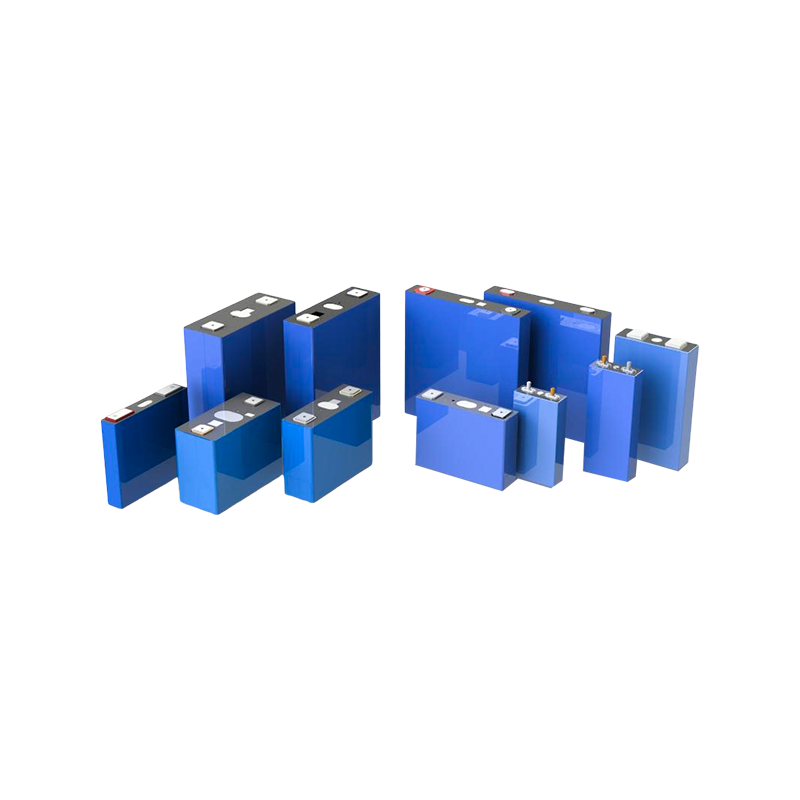
| Battery Cell | The smallest energy storage unit, storing charge through internal chemical reactions |
| Module | Multiple cells connected in series and parallel to reach a target voltage and capacity |
| Battery Pack | Modules combined with a battery management system, wiring, and enclosure |
| System | The complete installed unit, including thermal management, power conversion, and safety systems |
Battery Cell Chemistry Options
The chemistry used inside a battery cell determines its energy density, safety margin, and expected service life, all of which carry through directly to the finished energy storage battery.
- Lithium iron phosphate (LFP): favored in stationary energy storage for its strong thermal stability and long cycle life, generally in the range of 4,000 to 6,000 cycles at moderate depth of discharge
- Nickel manganese cobalt (NMC): offers higher energy density per unit of weight, more common in mobile applications where compact size matters more than maximum cycle life
- Lead-acid: the older, lower-cost technology still found in some backup power systems, with shorter cycle life and lower usable depth of discharge than lithium options
For stationary residential and commercial energy storage, lithium iron phosphate battery cells have become the dominant choice because the combination of long cycle life and strong thermal stability suits systems that are expected to charge and discharge daily for a decade or more.
Performance Metrics That Actually Matter
Marketing materials often lead with total capacity, but several other metrics have a bigger impact on how a system performs over its real service life.
| Metric | Why It Matters |
|---|---|
| Cycle life | Determines how many charge and discharge cycles the cells deliver before capacity drops below a usable threshold |
| Depth of discharge (DoD) | How much of the rated capacity can be used safely on each cycle without accelerating cell degradation |
| Round-trip efficiency | The percentage of energy retained after a full charge and discharge cycle, affecting real usable output |
| Operating temperature range | Wider tolerance reduces the need for aggressive thermal management in extreme climates |
Air Cooling vs Liquid Cooling for Battery Cells
Thermal management directly affects how evenly the battery cells inside a pack age over time, since uneven temperatures across a module cause some cells to degrade faster than others.
Air-Cooled Systems
Air-cooled packs circulate ambient or conditioned air around the cells, offering a simpler and lower-cost design well suited to smaller residential systems and moderate climates where temperature swings are limited.
Liquid-Cooled Systems
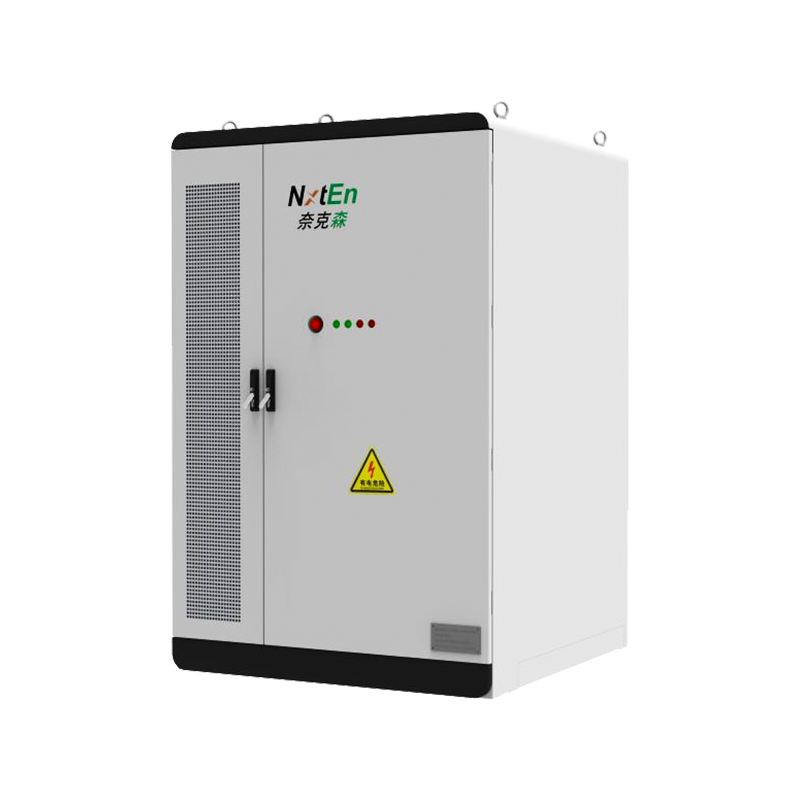
Liquid cooling circulates coolant through sealed pipes or plates in direct contact with the cells, removing heat far more evenly and allowing cells to be packed at higher density. This approach is increasingly standard in larger commercial and industrial energy storage cabinets, where consistent cell temperature across a large pack has a direct effect on long-term capacity retention.
Where Energy Storage Batteries Are Used
| Application | Typical Role of the Battery |
|---|---|
| Residential solar storage | Stores excess solar generation for evening use and backup during grid outages |
| Commercial and industrial storage | Shifts demand to off-peak periods and reduces peak power charges |
| Emergency backup power | Provides continuous power during utility interruptions for critical loads |
| Off-grid and remote installations | Works alongside solar, wind, or diesel generation to supply power in locations without grid access |
| Telecom and island microgrids | Maintains stable power for remote telecom stations and isolated grid networks |
How to Choose the Right Energy Storage Battery
Work through these factors in order to match a system to your actual energy needs rather than choosing based on capacity alone.
- Calculate daily energy consumption to determine the usable capacity needed, not just total nameplate capacity
- Confirm the continuous power output matches the peak load of the connected equipment or circuits
- Compare cycle life and depth of discharge ratings between systems, since these determine effective cost per cycle over the system's lifetime
- Match the cooling method, air or liquid, to your expected climate and duty cycle
- Check warranty terms for both cycle count and calendar year coverage, along with the guaranteed retained capacity at the end of the warranty period
Maintenance and Safe Operation Tips
A well-designed energy storage battery requires very little routine maintenance, but a few habits meaningfully extend cell life. Avoiding frequent full discharges, keeping the battery within its rated temperature range, and letting the battery management system manage charge balancing rather than overriding it all help the individual battery cells inside the pack age evenly and predictably.
Periodic visual inspection of enclosures, connections, and cooling components is still recommended, particularly for outdoor commercial and industrial cabinets exposed to weather and temperature extremes, since catching a cooling fault early prevents accelerated degradation across an entire module.
Sourcing Quality Battery Cells for Energy Storage
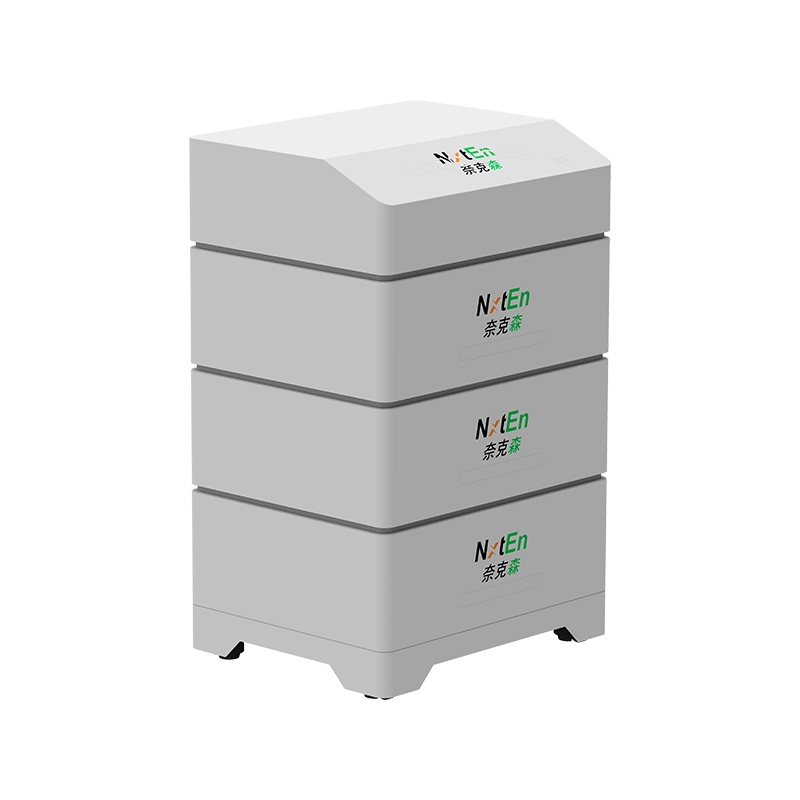
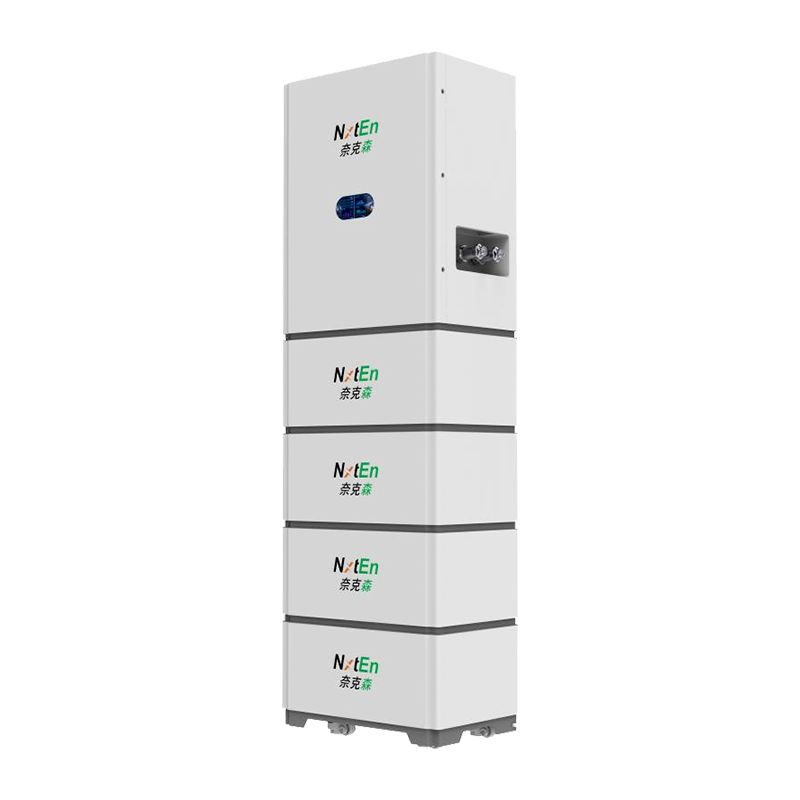
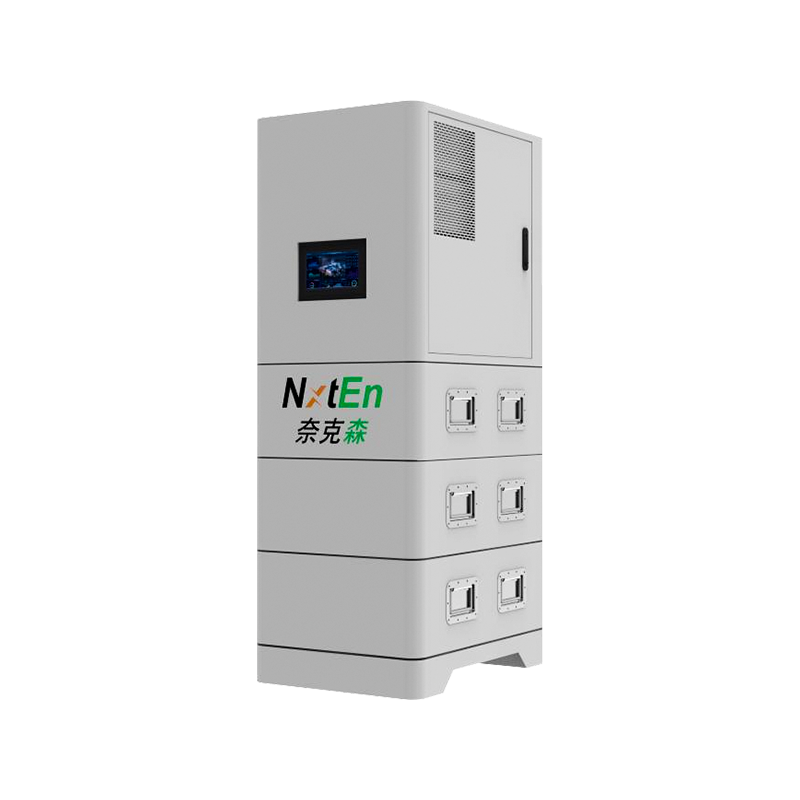
Ningbo Nxten Energy Technology Co., Ltd, based in Yuyao City, Zhejiang Province, supplies Battery Cells alongside modules, battery packs, and complete systems for residential, commercial, industrial, and off-grid energy storage applications. The company's product range spans from individual cells through to fully assembled liquid-cooled and air-cooled storage cabinets, giving buyers the option to source at the cell, module, or complete system level depending on their integration needs.
When evaluating a battery cell supplier, ask for documented cycle life test data, depth of discharge recommendations, and details on the thermal management approach used in the finished pack, since these factors together determine how the system performs years into its service life rather than only on day one.