English
 русский
Industry News
BESS Runs on Battery Cells — Cell Quality Is What Actually Determines System Performance
The direct answer is this: a battery energy storage system (BESS) is only as reliable, safe, and long-lasting as the energy storage battery cells packed inside it. Every module, every pack, and every megawatt-hour of usable capacity in a BESS traces back to the individual cell — its chemistry, its manufacturing tolerance, and its certified safety performance. Two systems can share the same nameplate capacity and inverter, yet differ enormously in cycle life, degradation rate, and fire safety, simply because one uses well-controlled, tightly matched cells and the other does not.
This distinction matters more today than ever, as BESS deployments scale from single-cabinet backup units to multi-megawatt-hour installations supporting commercial sites, microgrids, and grid-connected storage plants. At this scale, a small difference in cell-level consistency compounds across thousands of cells, turning a minor manufacturing shortcut into a measurable gap in delivered capacity and service life. This article explains exactly what separates high-quality energy storage battery cells from mediocre ones, how those cells are engineered into a finished BESS, and what buyers should verify before committing to a supplier.
What a BESS Actually Is, and Where Battery Cells Fit In
A battery energy storage system stores electrical energy chemically so it can be released later, on demand — smoothing solar and wind generation, shifting peak-hour demand charges, or providing emergency backup power. A BESS is built up from three structural layers, each one nested inside the next:
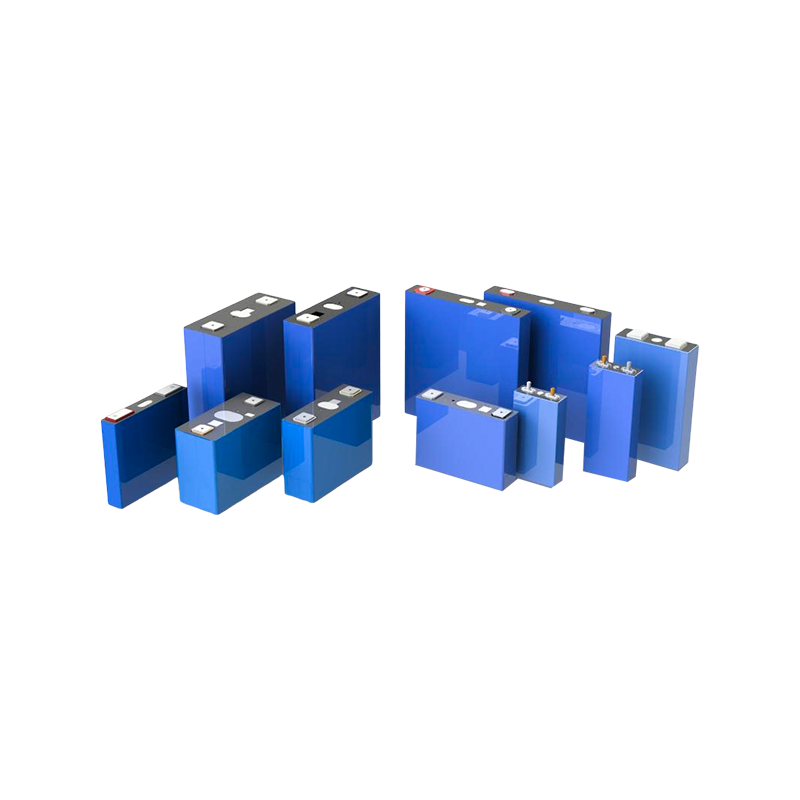
- Cell — the smallest sealed electrochemical unit that stores energy; this is where energy storage battery cells live
- Module — multiple cells connected in series and parallel, with wiring, sensors, and structural support
- Pack / System — multiple modules combined with a battery management system (BMS), thermal management, and often a power conversion system (PCS)
Because the cell sits at the very bottom of this structure, any weakness at the cell level — inconsistent capacity, poor internal resistance control, or unstable chemistry — is magnified as it moves up through the module and pack. This is why serious BESS evaluation always starts with the cell, not the finished cabinet.
Why Energy Storage Battery Cells Drive BESS Performance
Four cell-level characteristics determine almost everything about how a finished BESS performs in the field. Each one below carries a distinct engineering trade-off.
- Cycle life — the number of full charge-discharge cycles a cell can complete before its capacity drops below a usable threshold, typically 70 to 80 percent of original capacity
- Energy density — how much energy is stored per unit of weight or volume, which directly affects footprint and shipping cost
- Thermal stability — how resistant the cell chemistry is to thermal runaway under abuse conditions such as overcharge or physical damage
- Cell-to-cell consistency — how closely matched cells are in capacity and internal resistance, which determines how evenly a module ages over time
Poor consistency is especially damaging because a BMS can only balance a pack so far. If cells vary significantly from the factory, the weakest cell in a series string will always reach full charge or empty first, effectively capping the usable capacity of the entire string.
Comparing the Main Battery Cell Chemistries Used in BESS
Not all energy storage battery cells use the same chemistry. The choice of cathode material has a direct impact on safety margin, lifespan, and cost, which is why chemistry selection is one of the first decisions in any BESS design.
| Chemistry | Thermal Stability | Typical Cycle Life | Common Use Case |
|---|---|---|---|
| Lithium Iron Phosphate (LFP) | High | Long | Stationary BESS, C&I storage, residential storage |
| Nickel Manganese Cobalt (NMC) | Moderate | Moderate | Electric vehicles, space-constrained storage |
| Sodium-Ion | High | Emerging | Low-cost, low-temperature storage applications |
For most stationary BESS applications, LFP cells are the dominant choice because their olivine crystal structure resists oxygen release at high temperatures, giving them a wider safety margin than cobalt-based chemistries — a critical factor for systems that sit in warehouses, rooftops, or near occupied buildings for a decade or more.
Key Performance Metrics to Check on a Cell Datasheet
Before selecting a BESS supplier, buyers should request the cell-level datasheet rather than relying only on system-level marketing figures. The following metrics reveal the real quality of the energy storage battery cells being used:
- Rated capacity and the test conditions it was measured under (temperature, discharge rate)
- Cycle life at a stated depth of discharge and end-of-life capacity threshold
- Internal resistance range across a production batch, which indicates manufacturing consistency
- Operating temperature range for both charging and discharging
- Self-discharge rate per month, which affects long-term standby applications
A supplier that cannot provide batch-level consistency data — such as the internal resistance spread across a production lot — is a signal that cell sorting and grading may not be tightly controlled, which increases the risk of uneven aging inside the finished pack.
It is also worth asking how cycle life figures were generated. A cycle life rating measured at a shallow depth of discharge and mild ambient temperature will always look better on paper than one measured under realistic field conditions. Requesting the test protocol behind the number — depth of discharge, charge and discharge rate, and test temperature — gives a far more accurate picture of how the cells will perform once installed.
How Cells Are Built Up Into a Complete BESS
Turning raw energy storage battery cells into a certified, deployable BESS follows a consistent engineering sequence:
Step 1 — Cell Sorting and Grading
Incoming cells are tested and grouped by capacity and internal resistance so that only closely matched cells are assembled into the same series string.
Step 2 — Module Assembly
Matched cells are connected in series and parallel configurations, fitted with voltage and temperature sensors, and enclosed in a structural housing.
Step 3 — Pack Integration
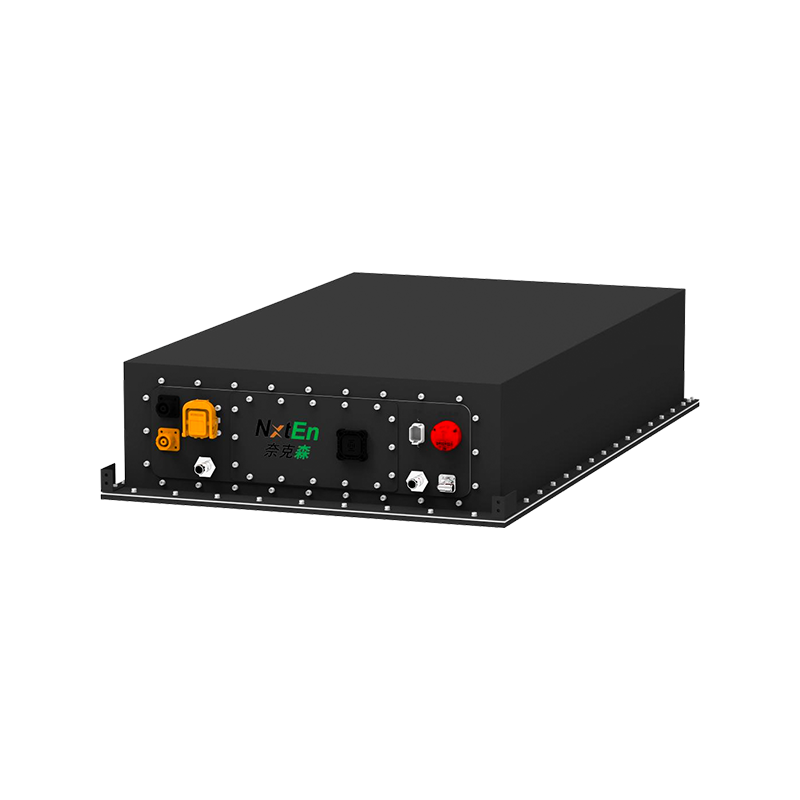
Modules are combined with a battery management system, thermal management (air-cooled or liquid-cooled), and protective enclosure to form the finished pack or cabinet.
Step 4 — System-Level Testing
The assembled system undergoes charge-discharge cycling, thermal testing, and safety validation before it is certified for shipment.
Certifications That Confirm Real Cell Safety
Because a BESS is typically installed for ten years or more, safety certification of the underlying battery cells is non-negotiable. The most relevant standards to request from any supplier include:
- UL 1973 — the primary U.S. safety standard for stationary energy storage batteries
- IEC 62619 — the international safety standard covering secondary lithium cells and batteries for industrial applications
- UN 38.3 — mandatory transport testing confirming cells are safe to ship by air, sea, and road
- CE / RoHS — European market access and hazardous substance compliance
These certifications confirm that independent testing bodies have verified the cell chemistry, the battery management system logic, and the enclosure design under abuse conditions — not just under normal operation.
A Practical Checklist for Evaluating a BESS Supplier's Cells
Use the following checklist when comparing suppliers of energy storage battery cells and finished BESS products:
- Request the cell-level datasheet, not just the system-level spec sheet
- Confirm UL 1973 and IEC 62619 certification for the specific cell and pack combination being quoted
- Ask whether the manufacturer performs in-house cell sorting and grading, or sources pre-graded cells from a third party
- Review the warranty terms for guaranteed retained capacity after a stated cycle count or number of years
- Verify manufacturing quality system certification, such as IATF 16949, which indicates automotive-grade process control
Suppliers with vertically integrated production — from cell testing through module and pack assembly — are generally able to provide more complete traceability than those assembling packs from externally sourced, unverified cells.
Sourcing Energy Storage Battery Cells From a Vertically Integrated Manufacturer
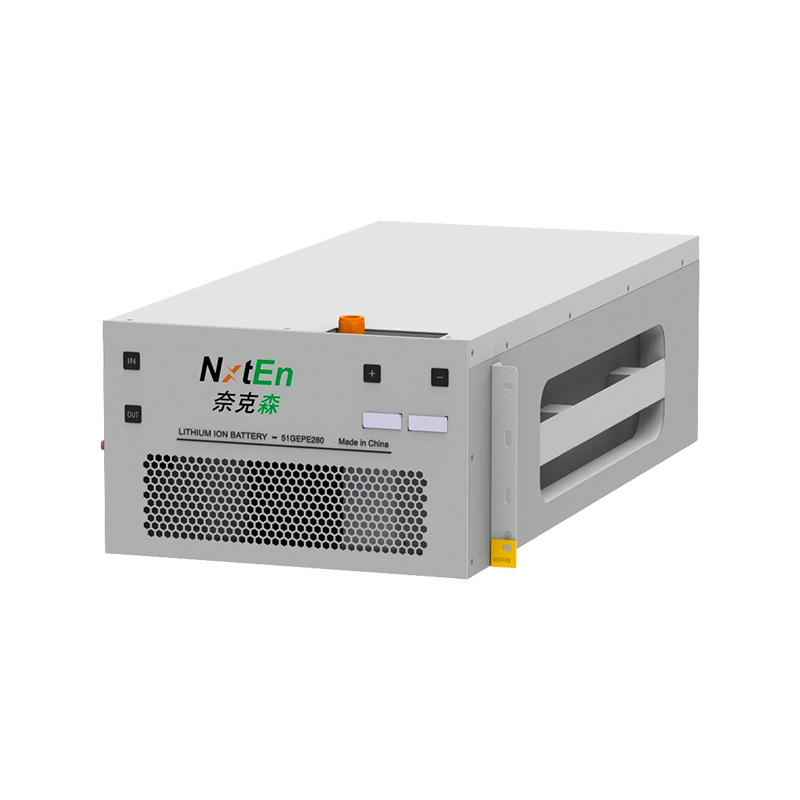
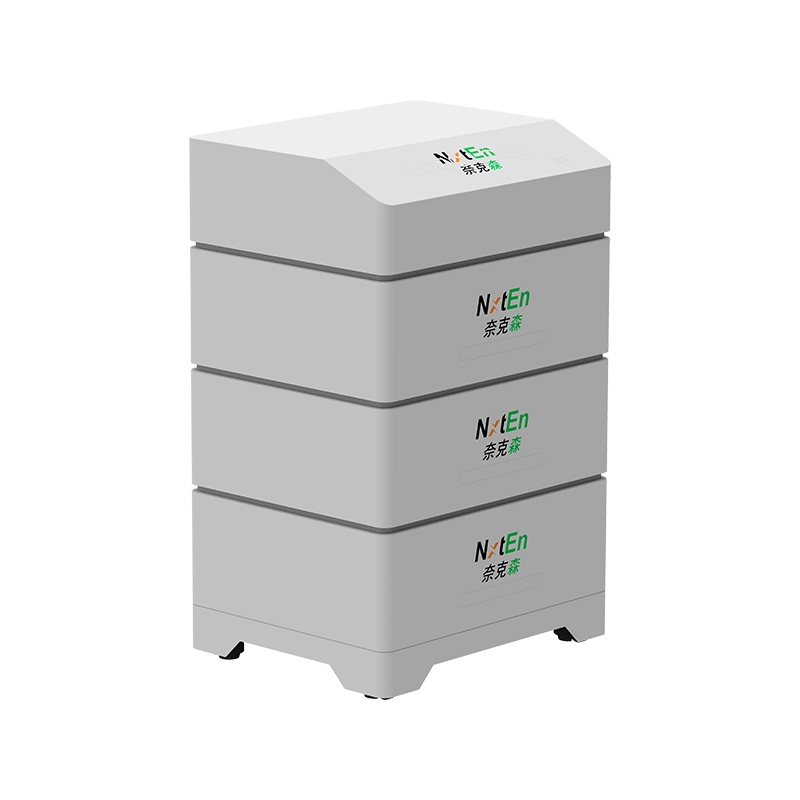
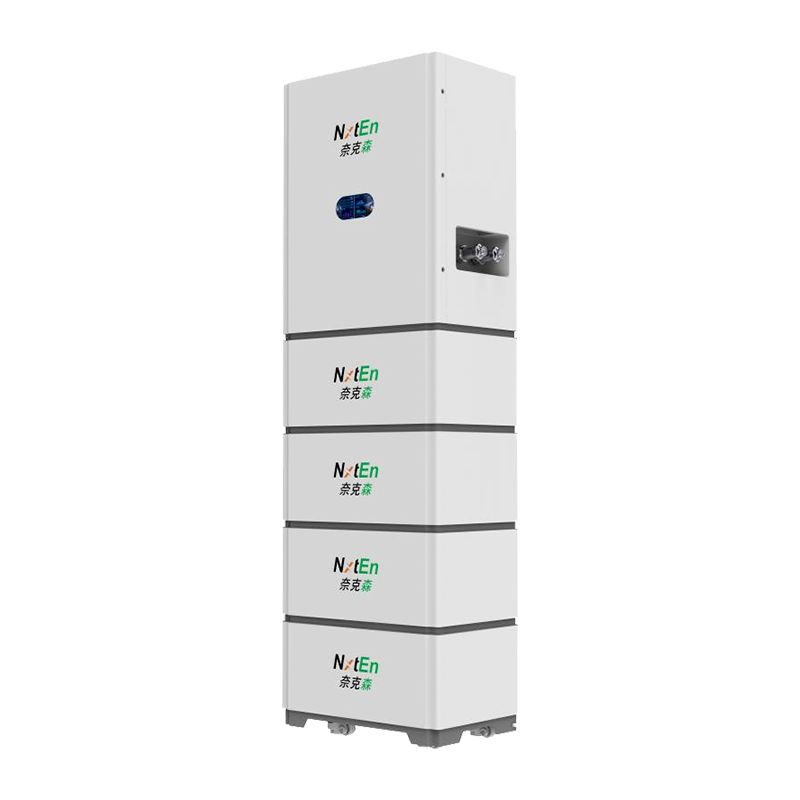
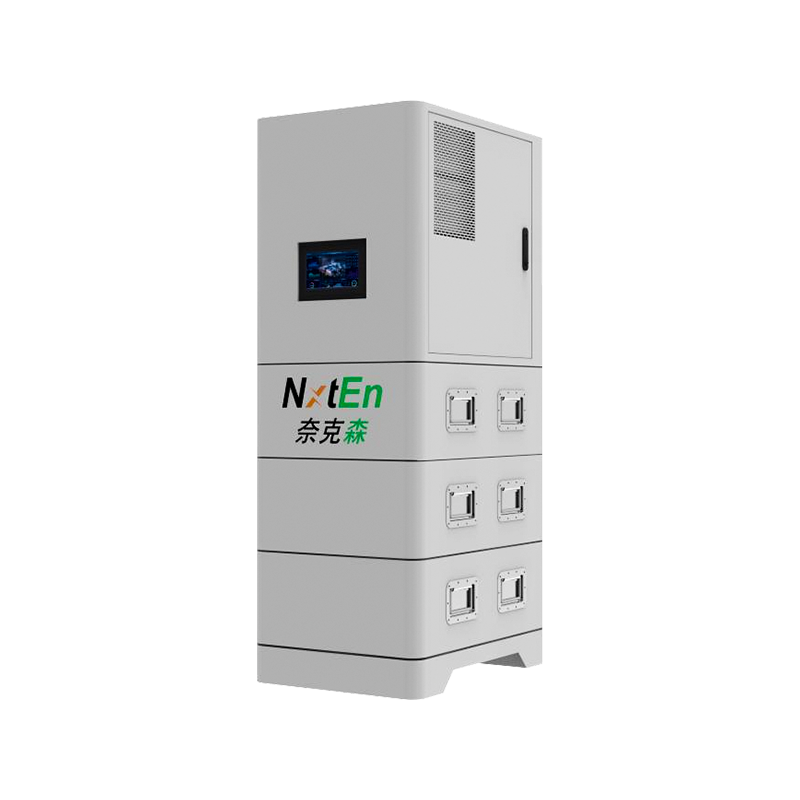
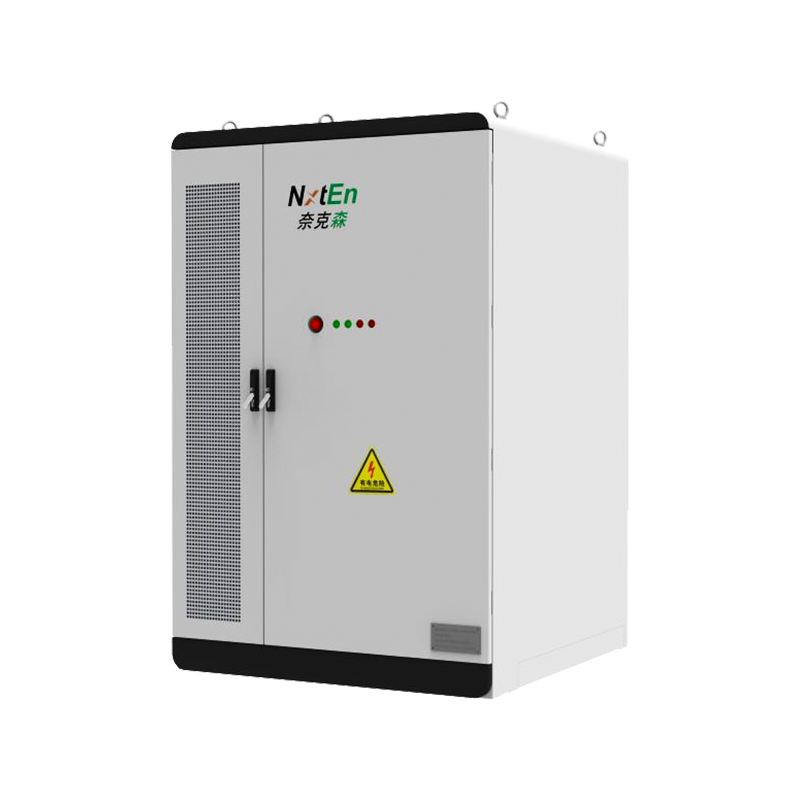
Ningbo Nxten Energy Technology Co., Ltd. designs and manufactures energy storage battery cells alongside modules, packs, and complete BESS cabinets, giving it direct control over cell sorting, module assembly, and final system testing rather than relying on externally sourced, unverified components. The company's manufacturing facilities are IATF 16949 certified, and its products are developed to comply with UL 1973 and IEC 62619, the two international standards most relevant to stationary energy storage safety. This vertical integration — from raw cell through finished cabinet — allows for tighter cell-to-cell consistency control and clearer traceability than a supplier that only assembles packs from third-party cells. For buyers comparing options, it is worth asking any prospective BESS supplier whether they manufacture their own cells or source them externally, since this single factor has an outsized effect on long-term consistency and warranty reliability.
Final Takeaway
A battery energy storage system is defined from the ground up by the quality of its energy storage battery cells. Chemistry choice, cell-to-cell consistency, certified safety performance, and manufacturing traceability all matter more than any single system-level marketing claim. Buyers who request cell-level datasheets, confirm UL 1973 and IEC 62619 certification, and choose suppliers with vertically integrated production are far more likely to end up with a BESS that delivers its rated capacity reliably for a full decade of service, rather than one that degrades unpredictably within the first few years.