English
 русский
Industry News
What Is Generation of Electricity? The Direct Answer
Generation of electricity is the process of converting other forms of energy — such as chemical energy in fossil fuels, nuclear energy, or kinetic energy from wind and water — into electrical energy that can be transmitted through a grid. In almost every method, this happens through a generator: a machine that uses a turbine to spin a magnet inside a coil of wire, producing an electric current through electromagnetic induction. Solar photovoltaic panels are the main exception, converting sunlight directly into electricity without a spinning turbine at all.
Generating electricity, however, is only half of the equation for a reliable power supply. Because electricity must generally be used the instant it is produced, and because demand rarely matches generation output minute by minute, a second technology has become just as critical to modern power systems: the Energy Storage System. Storage captures electricity when generation exceeds demand and releases it when demand exceeds generation, which is what allows intermittent sources like solar and wind to function as dependable parts of the grid rather than unpredictable ones.
Understanding both halves of this picture — how electricity is generated and why storing it is now just as important — is essential for anyone evaluating residential, commercial, or industrial power solutions today.
The Main Methods of Electricity Generation
| Generation Method | Energy Source | Output Pattern |
|---|---|---|
| Thermal (Coal, Gas, Oil) | Combustion heat drives a steam or gas turbine | Continuous, dispatchable |
| Nuclear | Heat from nuclear fission drives a steam turbine | Continuous, dispatchable |
| Hydroelectric | Flowing or falling water spins a turbine | Largely dispatchable, seasonal |
| Wind | Moving air spins turbine blades | Intermittent, variable |
| Solar Photovoltaic | Sunlight converted directly via semiconductor cells | Intermittent, daylight-only |
Dispatchable sources like thermal, nuclear, and most hydroelectric generation can be ramped up or down largely on demand. Wind and solar, by contrast, generate electricity only when the resource is available, which creates a fundamental mismatch between when power is produced and when it is actually needed — the exact gap that storage technology is designed to close.
Why Generation Alone Isn't Enough: The Role of an Energy Storage System
Balancing Supply and Demand
Electricity demand rises and falls throughout the day — typically peaking in the morning and evening — while generation from renewable sources often peaks at different times, such as midday for solar. An Energy Storage System absorbs surplus generation during low-demand periods and discharges it during high-demand periods, smoothing out this mismatch without requiring additional generation capacity to be built purely for peak load.
Making Intermittent Generation Reliable
Because wind and solar output depends on weather and time of day, pairing generation with storage is what allows these sources to deliver power on a schedule rather than only when conditions happen to be favorable. This pairing is central to why energy storage capacity has become one of the fastest-growing segments of the power sector alongside renewable generation itself.
Backup Power and Grid Resilience
Beyond balancing daily supply and demand, storage systems also provide backup power during outages and help stabilize grid frequency during sudden disturbances, since battery systems can respond to changes in load far faster than most traditional generation sources can ramp up or down.
How a Modern Energy Storage System Works
Most modern energy storage systems, from residential units to large industrial installations, are built around lithium-ion battery technology, organized into a hierarchy of components:
- Cell — the individual electrochemical unit that stores and releases energy
- Module — multiple cells grouped together with basic monitoring and protection circuitry
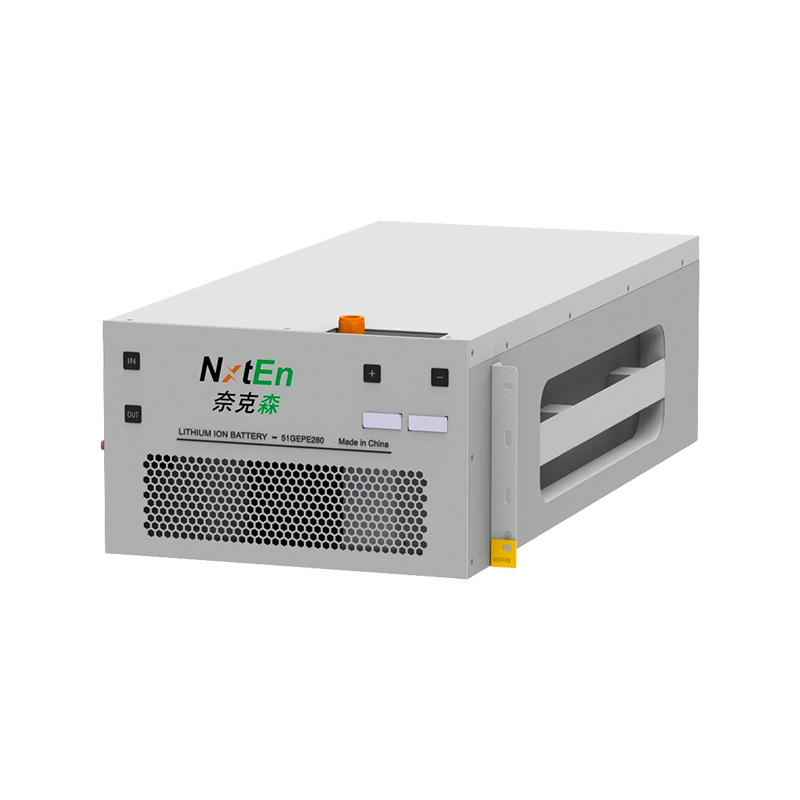
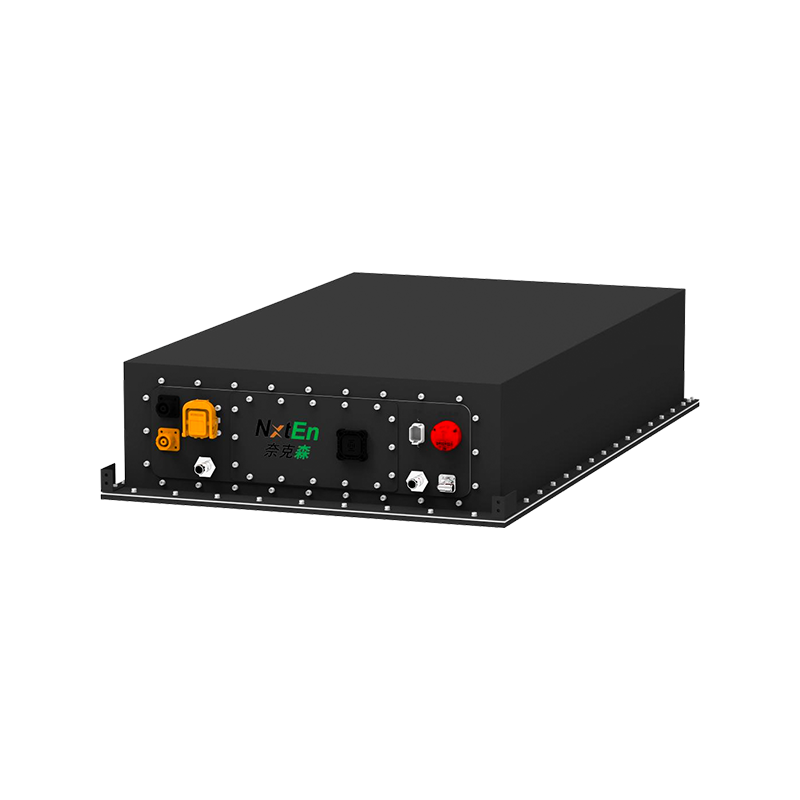
- Battery Pack — several modules combined into a complete, deployable energy unit
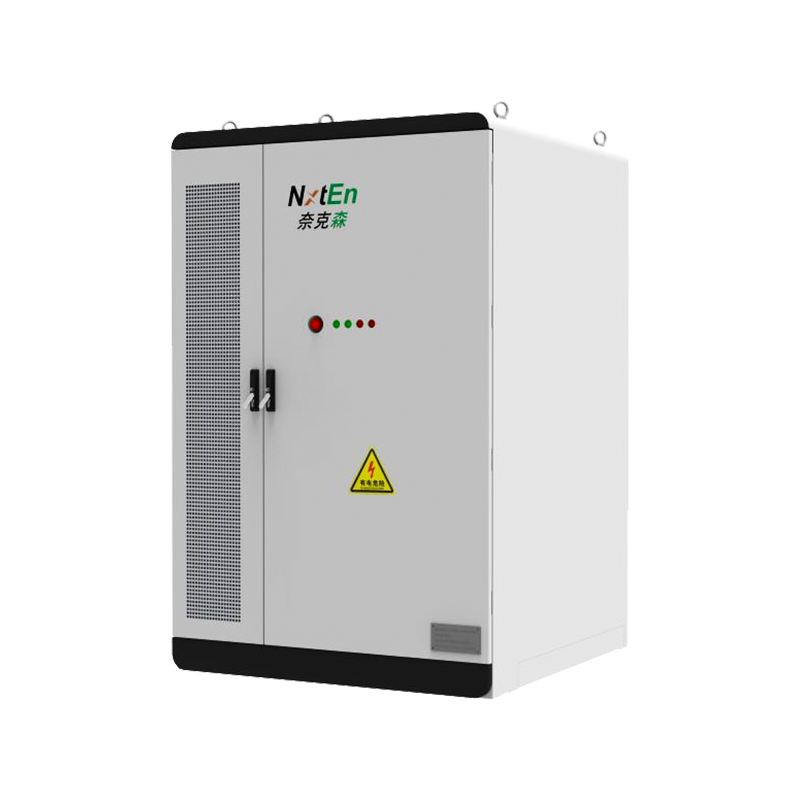
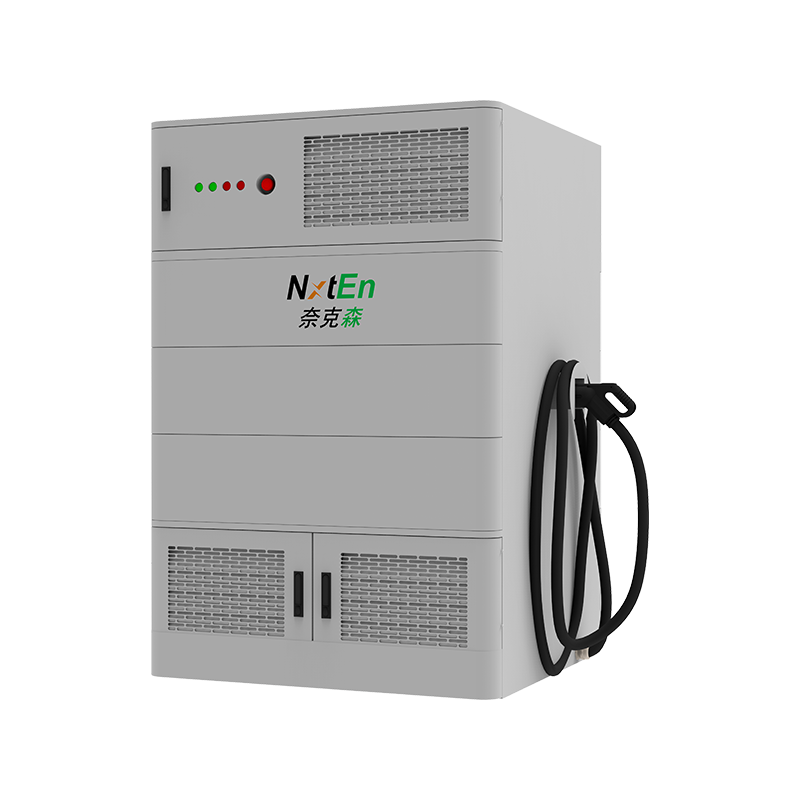
- System — the full installation, including battery packs, inverters, thermal management, and safety controls, ready for residential, commercial, or industrial deployment
Where Energy Storage Systems Are Used
The same underlying technology scales across very different use cases:
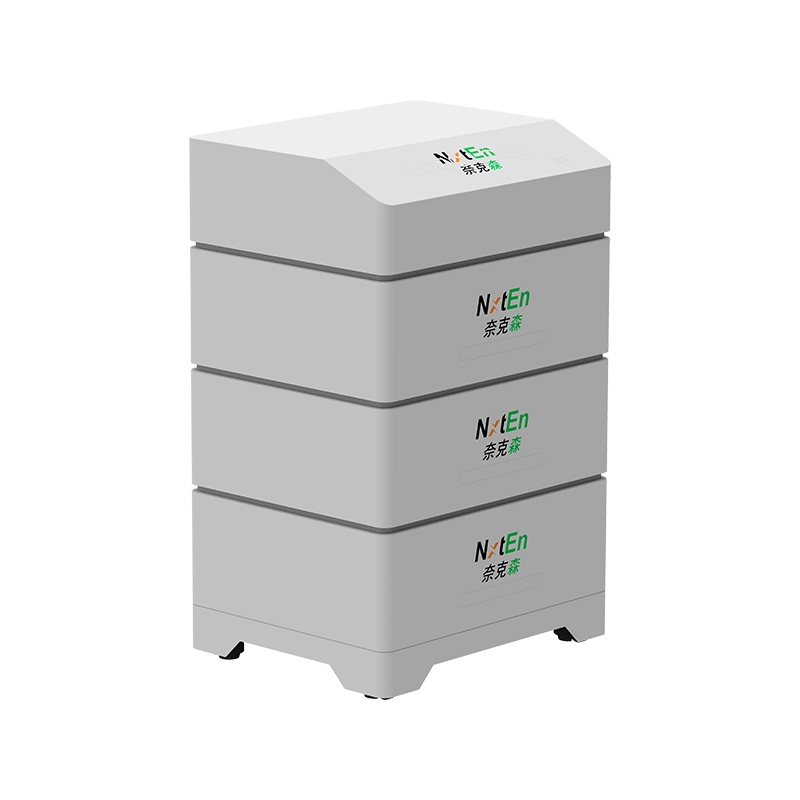
- Residential storage — paired with rooftop solar to shift self-generated electricity into evening use and provide backup during outages
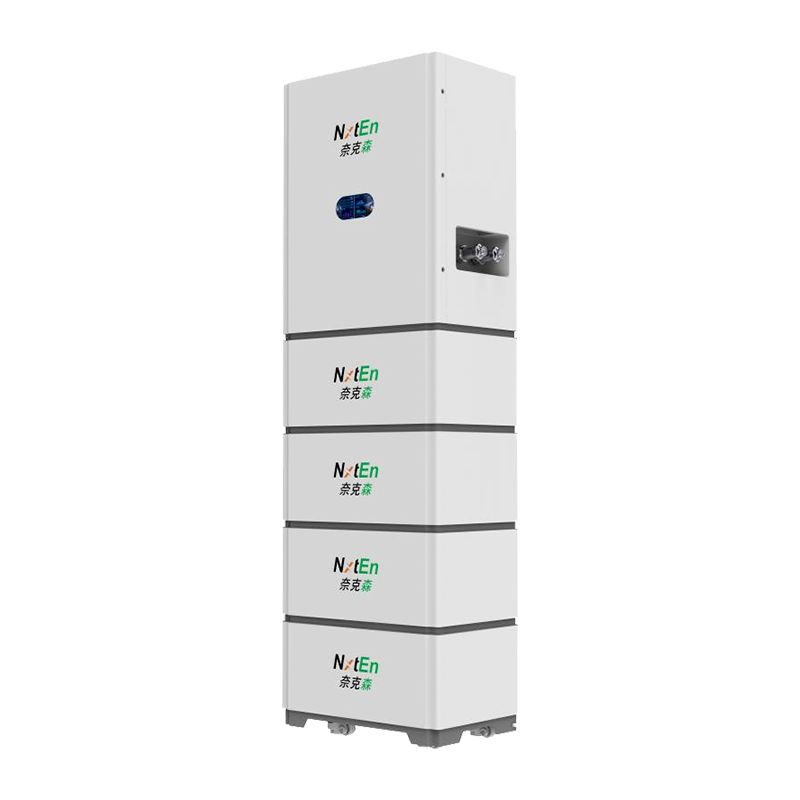
- Commercial and industrial storage — used to reduce demand charges by discharging during peak billing periods and to provide backup power for critical operations
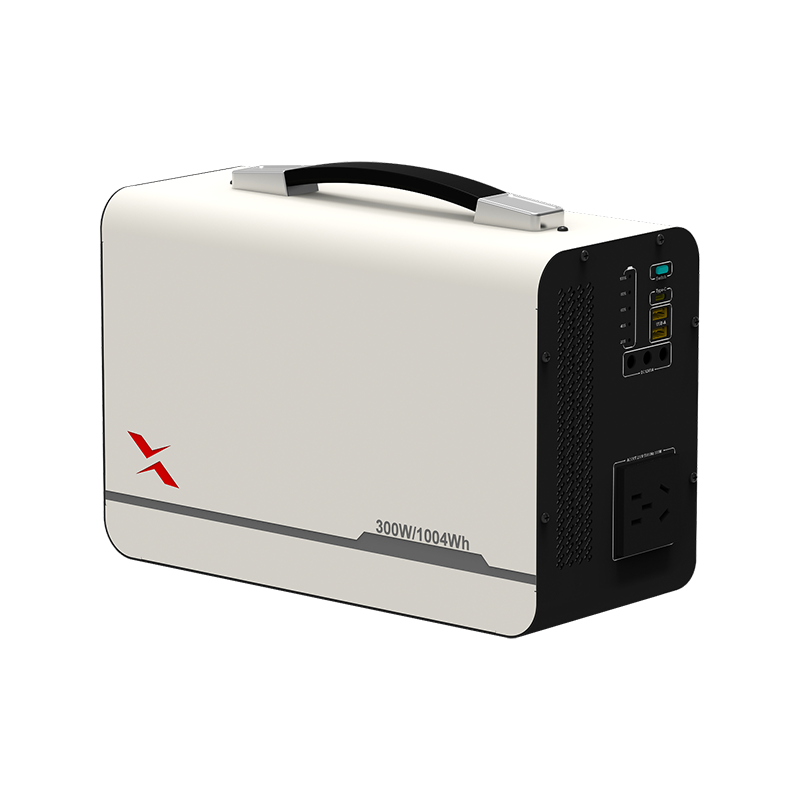
- Portable power stations — smaller, mobile battery units used for outdoor, emergency, or off-grid power needs
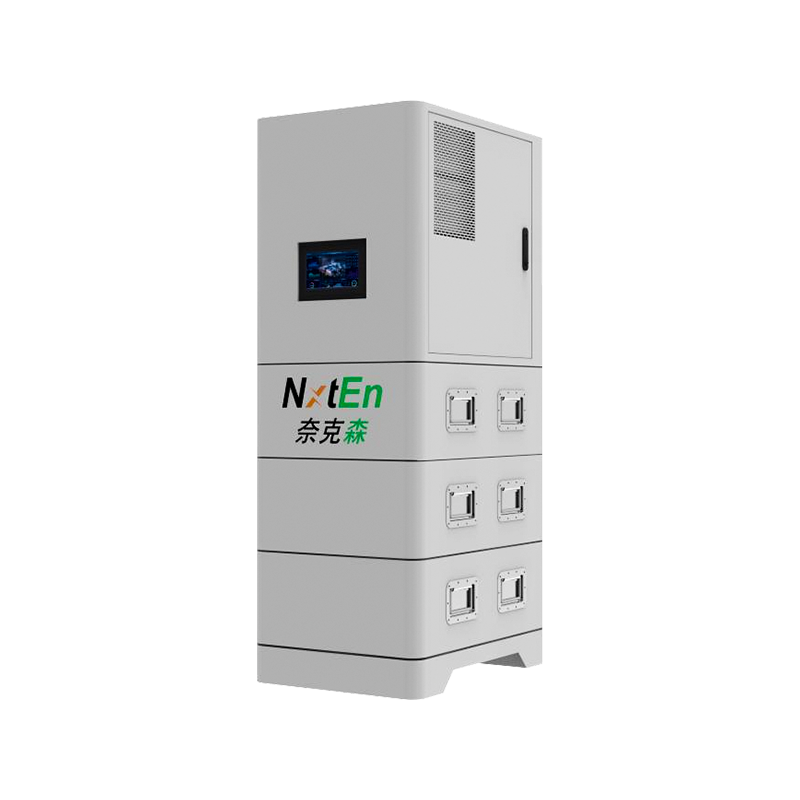
- Utility-scale storage — large installations that help stabilize the grid, integrate renewable generation, and provide backup capacity across an entire service area
What to Check When Evaluating an Energy Storage System
Before selecting a system, whether for a home, business, or industrial site, confirm these specifications:
- Confirm the energy density and rated capacity match your actual load profile and backup duration requirements
- Check the operating temperature range, since performance and longevity can vary significantly between indoor and outdoor installation environments
- Verify multi-level safety protection features, including thermal management and cell-level monitoring, are built into the system rather than added as an afterthought
- Ask about cycle life and warranty terms, since these figures directly determine the long-term cost of ownership compared to the upfront price
Sourcing a Reliable Energy Storage System
Nxten manufactures lithium-ion batteries and complete Energy Storage System solutions built around high energy density, wide temperature range operation, high power output, and multi-level safety protection. The company's product range spans from individual cells and modules to full battery packs and complete systems, meeting application needs from residential energy storage to large-scale industrial scenarios while maintaining long cycle life and reliability across each stage of the product hierarchy.
Buyers evaluating storage capacity for a specific residential, commercial, or industrial project can review the full Energy Storage System range to compare capacity, configuration, and safety specifications before requesting a quote.