

 English
 русский
Home / News / Industry News / 12V Lithium Batteries: A Practical Guide to System Matching and Safe Power
Industry News

Content
A 12V lithium battery can be a clean upgrade for an RV, solar shed, trolling motor, or backup cabinet, but only when the pack, charger, and load are treated as one system. The label says 12V; the terminals may sit near 10.0V at cutoff and rise to 14.6V during charge. That swing is normal for lithium, and it is the first thing to check against your equipment.
Start with the load's acceptable voltage window, then size the BMS current, then confirm the charge profile. A 100Ah, 12.8V LiFePO4 pack stores about 1.28kWh nominally; at 80% depth of discharge, plan on roughly 1.0kWh usable, not the full label. That gap matters in real runtimes.
A lead-acid replacement mindset causes most early failures: undersized cable, a charger that never reaches full charge, or a BMS that trips when an inverter draws surge current. The battery may be fine, but the surrounding circuit is not.
Four LiFePO4 cells in series produce 12.8V nominal. A well-matched BMS balances cells, limits current, and disconnects on over-voltage, under-voltage, over-temperature, and short circuit. Charging is usually 14.4–14.6V, with a lower float voltage; discharging to about 10.0–10.5V is a common cutoff. Confirm the exact figures in the datasheet because BMS settings vary by supplier.
| Checkpoint | Typical 12V value | What it affects |
|---|---|---|
| Nominal voltage | 12.8V for 4S LiFePO4 | Compatibility with 12V loads |
| Charge voltage | 14.4–14.6V typical | Full charge without over-voltage |
| Discharge cutoff | 10.0–10.5V typical | Runtime and cell protection |
| Low-temperature charging | Stop below 0°C unless heated | Cold-weather safety |
| BMS role | Balancing, current limit, fault disconnect | Pack life and fault response |
The cell is only one layer. If you are comparing supplier claims, review battery cell basics before accepting a capacity figure at face value.
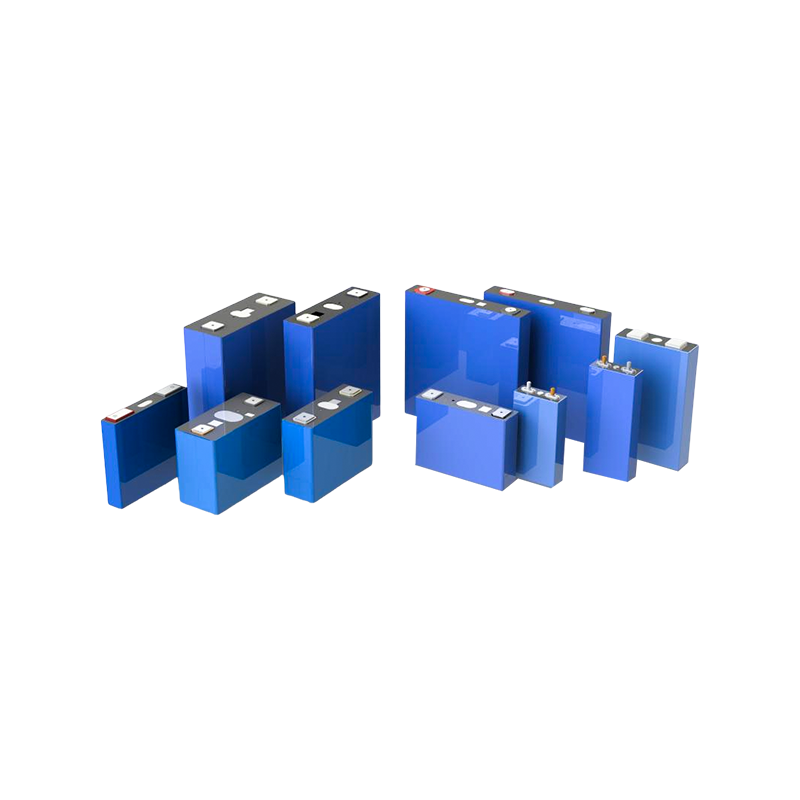 LFP Battery Cell Family, 50 Ah to 314 AhCompare eight LFP cell models from 50 Ah to 314 Ah, with model-dependent cycle life and pulse ratings, before evaluating pack-level capacity claims.View Product →
Capacity in amp-hours is a starting point, not a runtime guarantee. Convert it to watt-hours first: nominal voltage multiplied by amp-hours. A 12V 100Ah pack is not the same as a 12V 200Ah pack, and two 100Ah packs with different BMS boards may behave very differently under the same inverter load.
A 12V 100Ah battery with a 50A BMS is not a good match for a 2,000W inverter that can surge higher, even if the cells themselves could deliver more. The BMS is the gatekeeper, so its limits belong in the purchase decision.
A 12V battery is not a laboratory 12.0V supply. Equipment rated for a wide input, such as 9–15V, may run directly from a 12.8V nominal pack if startup surge and low-voltage cutoff are acceptable. A device rated at 12V ±10% can see 14.6V during charge and should use a DC-DC regulator. A compute module with a 7–20V input may tolerate the nominal range, but the installer still needs to check polarity, fuse rating, cable drop, and behavior when the BMS disconnects.
Use a lithium charge profile. Do not use lead-acid equalization or desulfation modes on a 12V lithium battery. Alternator charging needs a DC-DC charger or a lithium-compatible regulator; solar charging needs an MPPT controller set to the pack's absorption and float values. For storage, leave the pack at partial charge rather than full, and keep it above the low-temperature charging limit.
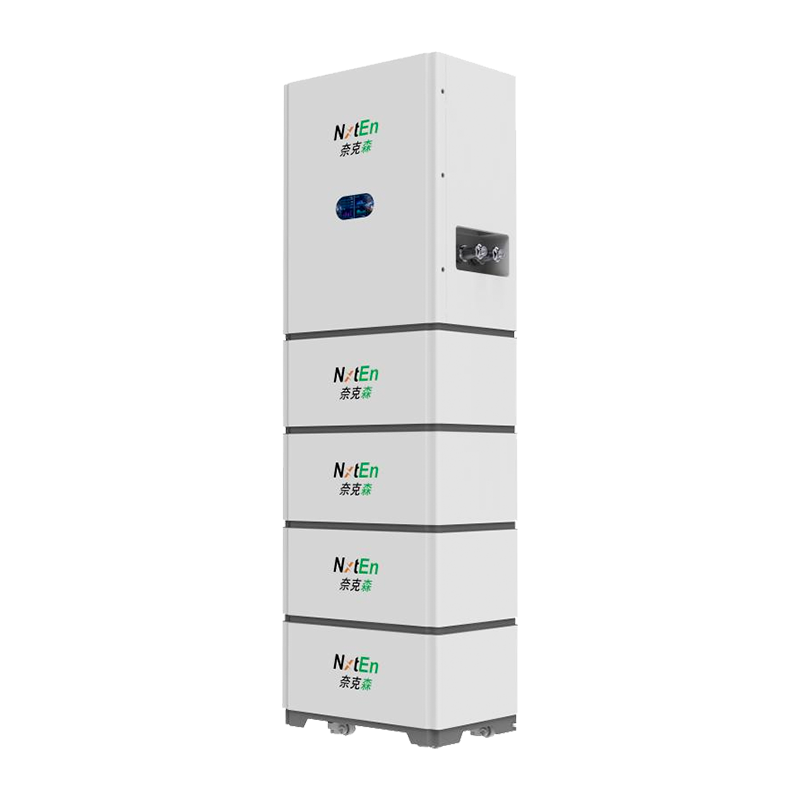
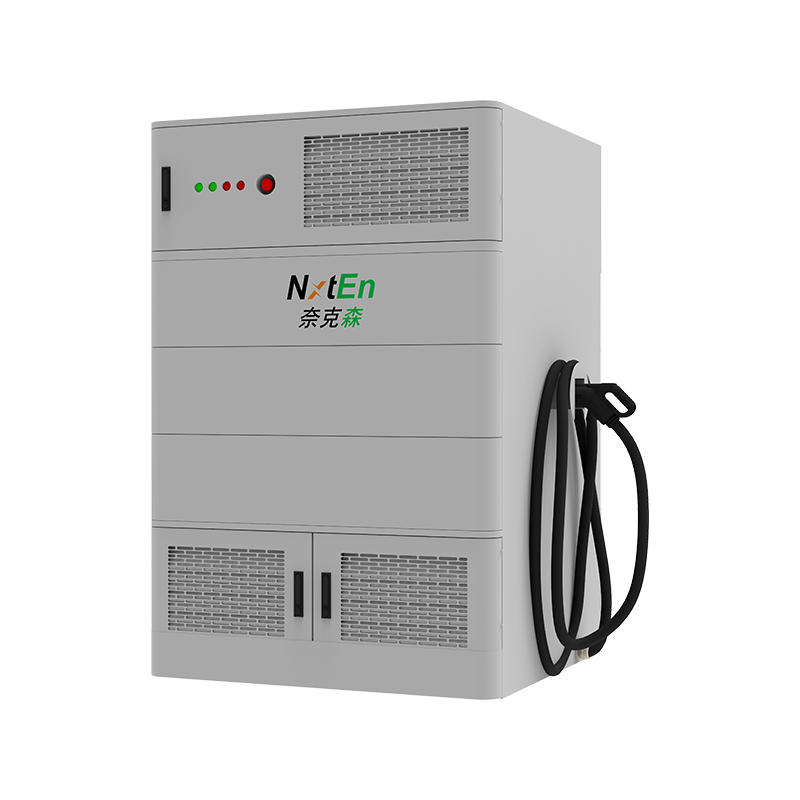
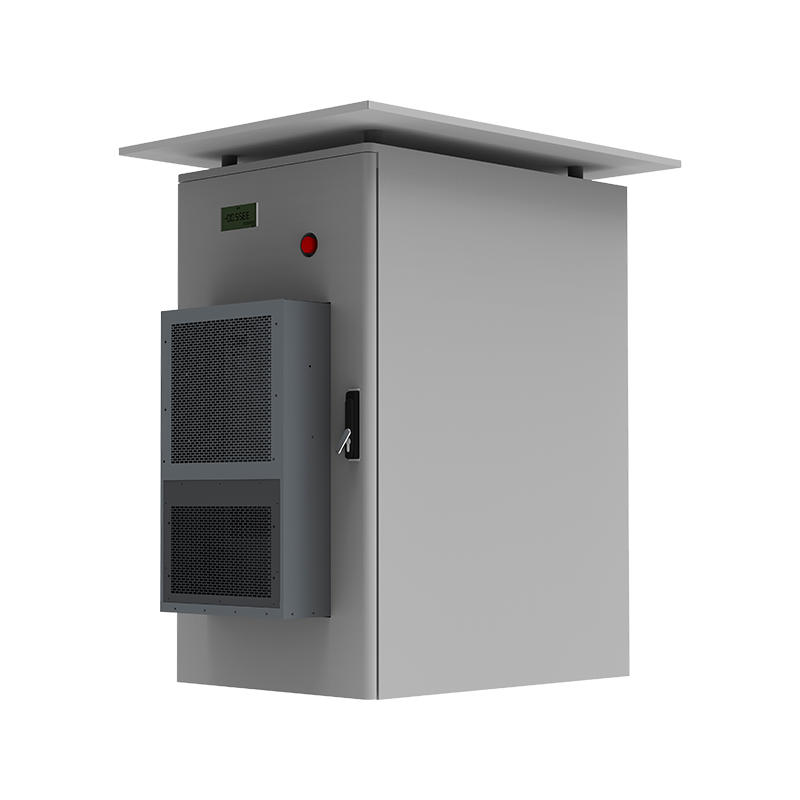
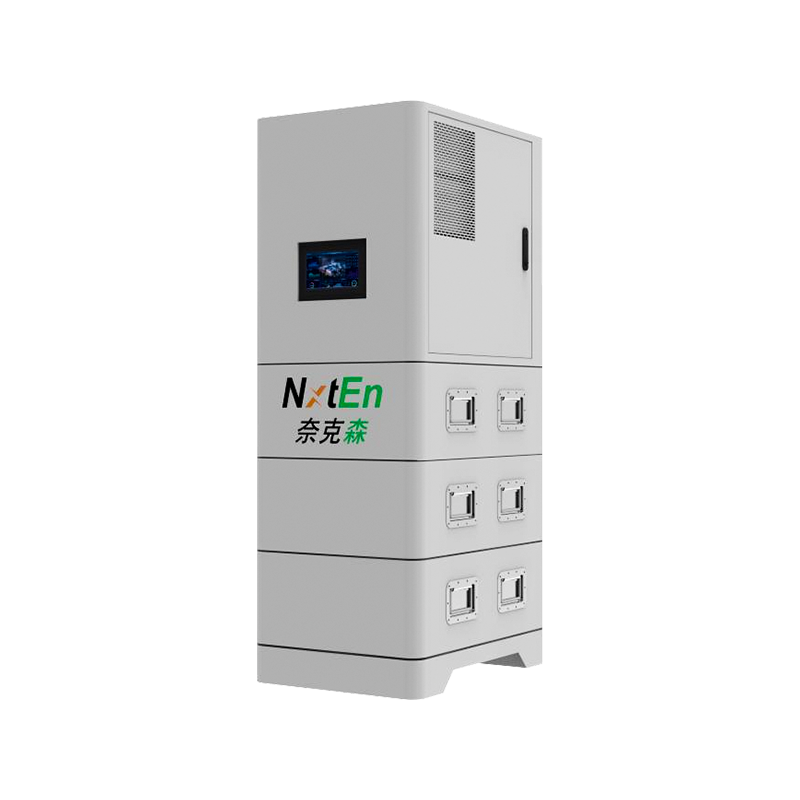
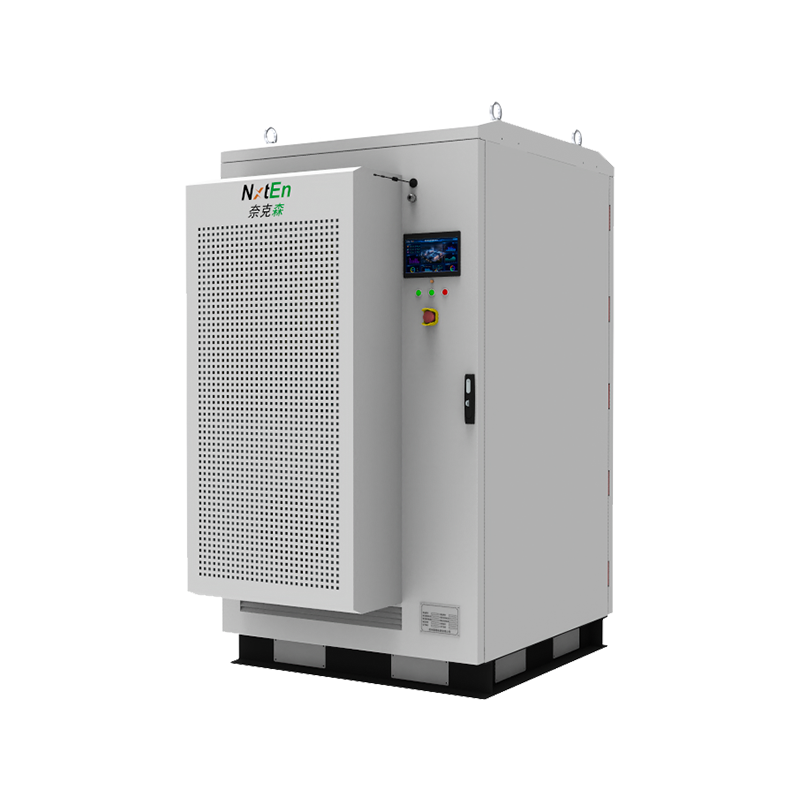
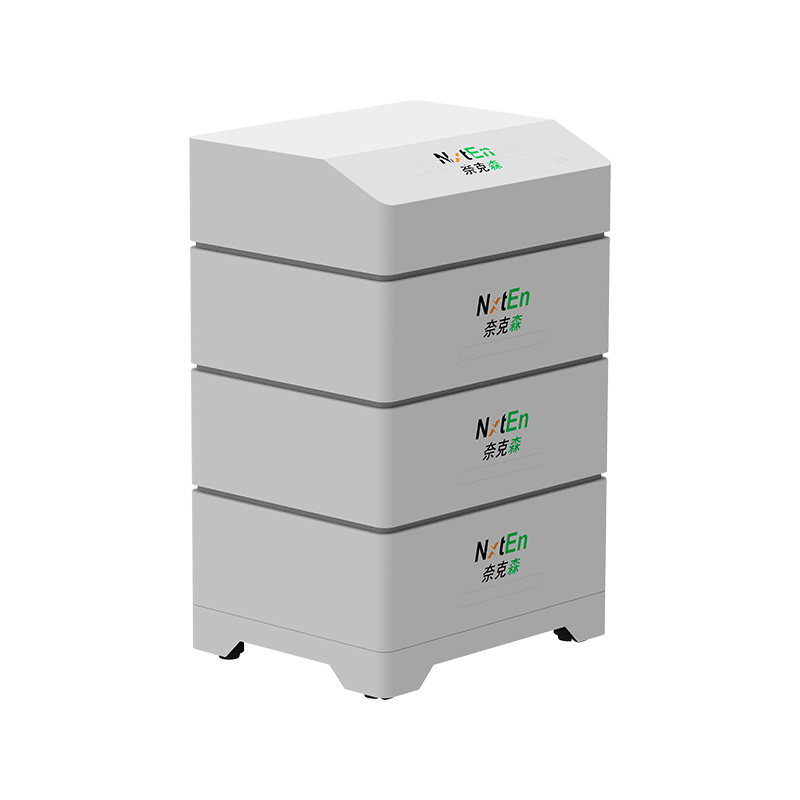
For larger projects that combine solar, storage, and charging, choosing a storage solution at the system level prevents mismatched parts from becoming an expensive lesson.
These packs suit deep-cycle and standby duty: RV house power, small solar systems, marine electronics, trolling motors, remote monitoring, and backup lighting. They are not automatically a substitute for engine cranking batteries, high-surge hydraulic systems, or any load that exceeds the BMS peak rating.
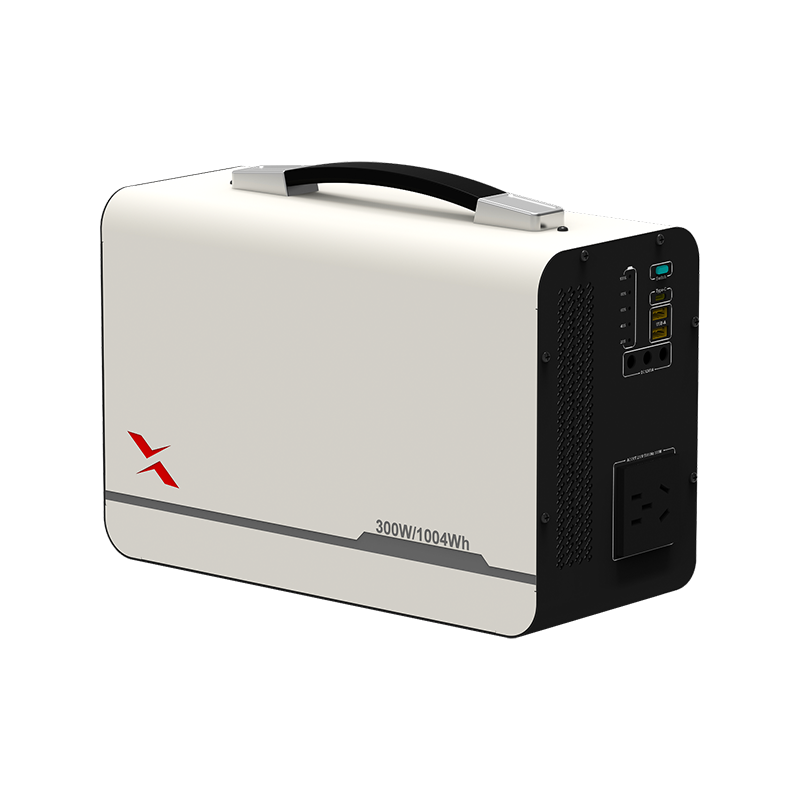
 Portable Energy Storage Packs with AC/DC OutputReview 1–2 kWh portable power packs with AC/DC outputs and solar charging, checking model-specific ratings and BMS limits for RV, solar, marine, or backup use.View Product →
The safest 12V lithium battery is the one specified as part of a complete circuit, not the one with the largest amp-hour sticker. Match chemistry, BMS current, charge voltage, low-temperature protection, and cable/fuse sizing to the real load. Then verify the datasheet against your charger and equipment manual before installation.
If the load is critical, test the finished pack under normal and surge conditions, log the cutoff voltage, and label the disconnect points. That discipline turns a promising 12V lithium battery purchase into dependable power.

 +86-0574-62165160
 +86-18958222822
 No. 95-1, South Guangming Road, Simen Town, Yuyao City, Zhejiang Province, China

