English
 русский
Home / News / Industry News / Parallel Battery Connection: Wiring Rules, Current Balance, and Safety
Industry News

Content
Two 12 V 100 Ah batteries wired in parallel give you 12 V and 200 Ah. Voltage does not move, capacity doubles. That single sentence answers most of what people search for, and it also hides the part that actually causes trouble on real installations.
Almost every parallel bank failure traces back to the same three things: unequal cable paths, mixed battery condition, and missing per-branch protection. The batteries were fine. The wiring was not.
What follows is how parallel connection behaves in practice, how to wire it so every branch pulls its share, what you can and cannot mix, and where the protection has to sit.
Parallel means positive to positive, negative to negative. Bank voltage equals the voltage of a single unit, and amp-hour capacity adds up. Energy, which is amp-hours multiplied by volts, adds up too, so a parallel bank and a series bank built from the same cells can hold identical total kWh while delivering it at very different voltages.
Series does the opposite: voltage adds, capacity stays fixed. The two are combined into series-parallel strings whenever a system needs both a higher voltage and more runtime.
There is a second effect that rarely makes it into quick guides. Internal resistance falls. Ten batteries in parallel present roughly one tenth the resistance of a single battery, which lowers voltage sag under load and spreads the current across more cells.
| Parameter | Series | Parallel | Series-Parallel |
|---|---|---|---|
| Bank voltage | Adds | Unchanged | Adds per string |
| Capacity (Ah) | Unchanged | Adds | Adds per string |
| Total energy (kWh) | Adds | Adds | Adds |
| Internal resistance | Adds | Falls | Mixed |
| Current per unit | Identical | Split by branch count | Split within strings |
| Balancing focus | Cell level | Branch level | Both levels |
Run the numbers on a real job: a 48 V system built from eight 12 V 100 Ah batteries arranged four in series and two in parallel lands at 48 V, 200 Ah, and 9.6 kWh. Loosen one terminal on one leg and the usable energy quietly drops toward 7 kWh while the voltmeter still reads 48 V.
A parallel bank is treated as one large battery, but it is not one large battery. Each branch has its own resistance, and current takes the easiest path every single time. That asymmetry comes from four places:
The bank still delivers its rated capacity on paper. What suffers is usable capacity and cycle life, because the moment one branch hits cutoff, the whole bank stops discharging with it. If that trade-off matters for your project, it is worth reading more about how lifespan and efficiency of energy storage batteries are affected by bank design.
Three layouts exist, and they are not equally good:
Whichever route you take, hold three rules: identical cable gauge and length on every branch, total cable drop under 2 percent of system voltage, and terminals torqued to the manufacturer specification rather than to feel.
This is where money gets lost. A short reference for the combinations people actually ask about:
| Combination | Verdict | Why |
|---|---|---|
| Same chemistry, same voltage, different Ah | Conditional | Voltage is clamped, so both stay in step, but the smaller unit runs a higher C-rate, ages first, and its BMS limit caps usable capacity. |
| Different chemistries (lithium plus lead-acid) | No | Their end-of-charge voltages differ, so they can never both be full, and circulating current appears the moment charging stops. |
| New battery plus heavily cycled battery | No | Different resistance and different usable capacity produce a permanent circulating current, even at rest. |
| Same chemistry, different cell grades | Avoid | Current splitting is only as even as the original cell grading. |
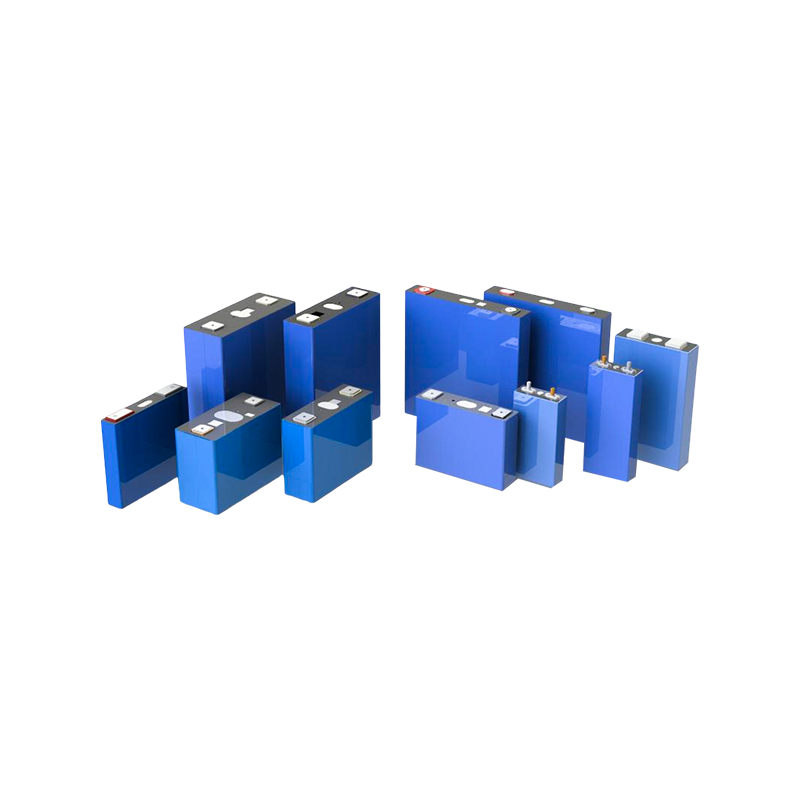
Before attempting any conditional pairing, measure. Open-circuit voltage within 50 mV after two hours of rest, internal resistance within 10 percent, state of charge within 5 percent. Fail any one of those and the honest answer is no. This all starts at the cell, and it helps to understand what storage battery cells are and why grading matters before assembly.
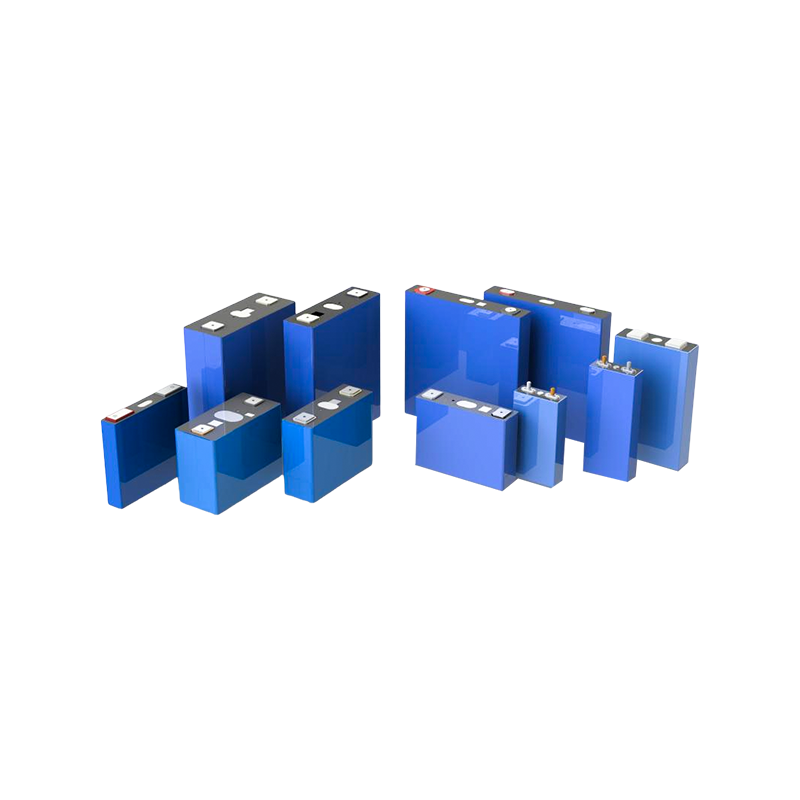 Battery CellsProduct Introduction:View Product →
This is the step most home-built parallel banks skip. If a cable on one branch short-circuits, every other battery feeds that fault. Three 100 Ah batteries can each push roughly 200 A into a dead short, which means about 600 A flowing through a cable that may only be rated for 120 A.
Each branch therefore needs its own device:
A main bank fuse protects the bus. It does nothing for a fault that lives inside one branch. Branch protection protects the branch.
Parallel connection happens at three levels, and each one has a different failure mode.
Cell level. Cells are paralleled into capacity groups, and those groups are then stacked in series to raise voltage. Current sharing is decided here, long before a single terminal is tightened. Cells from the same production batch, matched by internal resistance grade, remove most of the variability you would otherwise fight later.
Pack level. Whole packs are paralleled on a DC bus, and the discipline is the ordinary one: equal cable lengths, per-branch fusing, per-branch isolation. A pack that already has matched cells and thermal management inside it saves an enormous amount of commissioning work compared with assembling the same capacity from loose units.
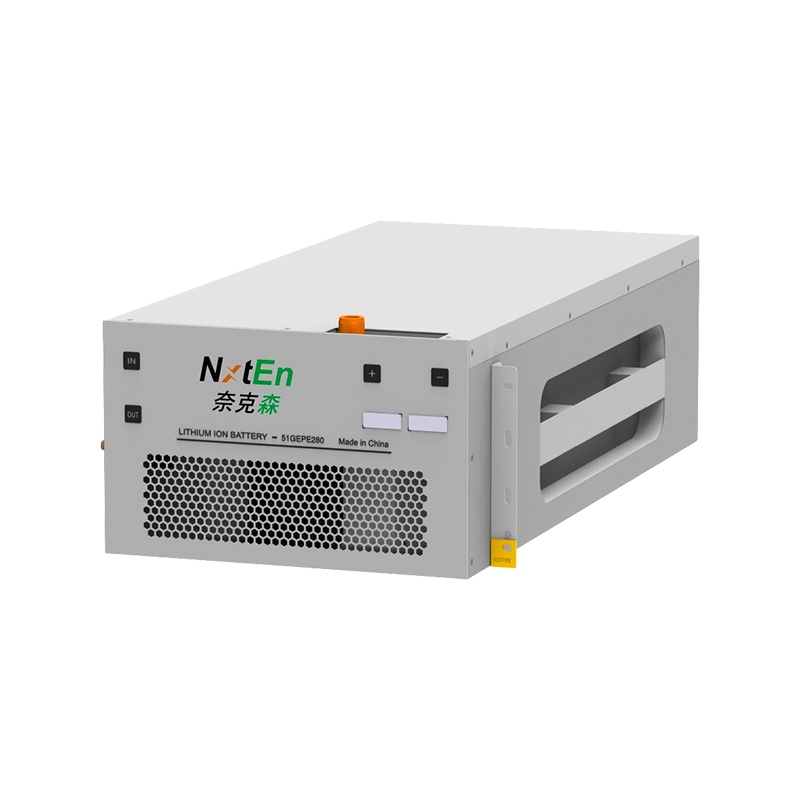
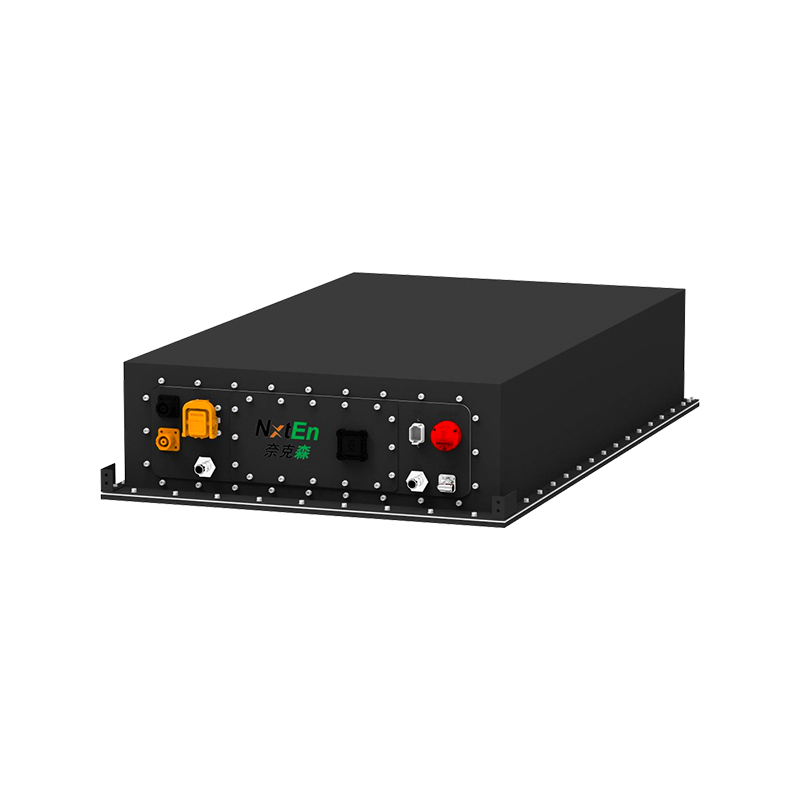 Liquid-Cooled Battery Energy Storage PackProduct Description: A liquid-cooled energy storage battery pack uses the liquid's efficient heat exchange capabilities to manage the battery's operating temperature. ...View Product →
System level. The battery management system takes over. It tracks per-string current and state of charge, limits charge and discharge at the DC or AC side, and rebalances strings after an outage. The larger the installation, the more the design question shifts from how to wire batteries together to how to choose hardware that was matched before it ever shipped.
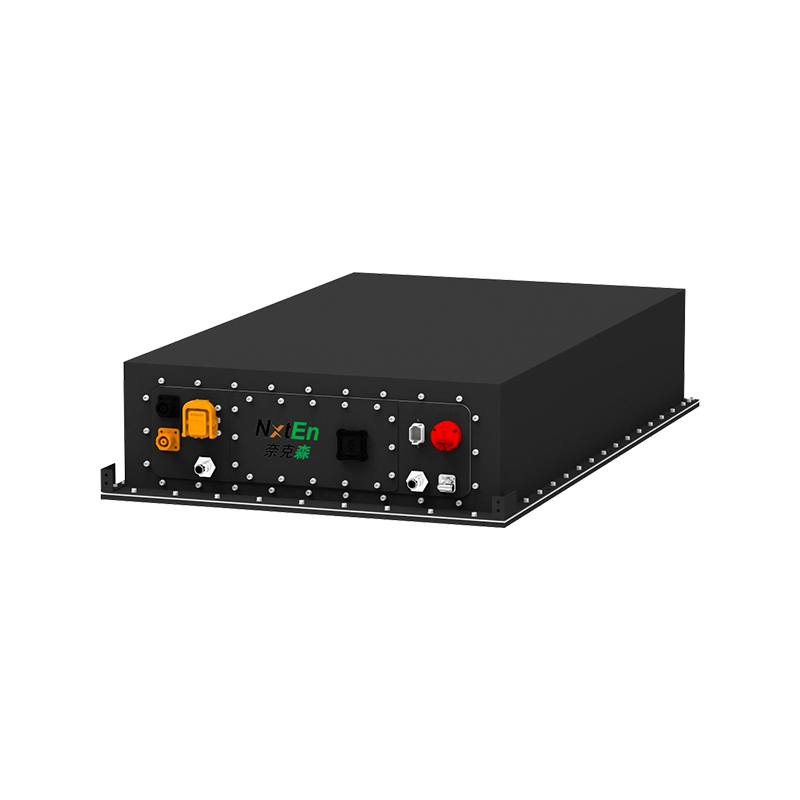
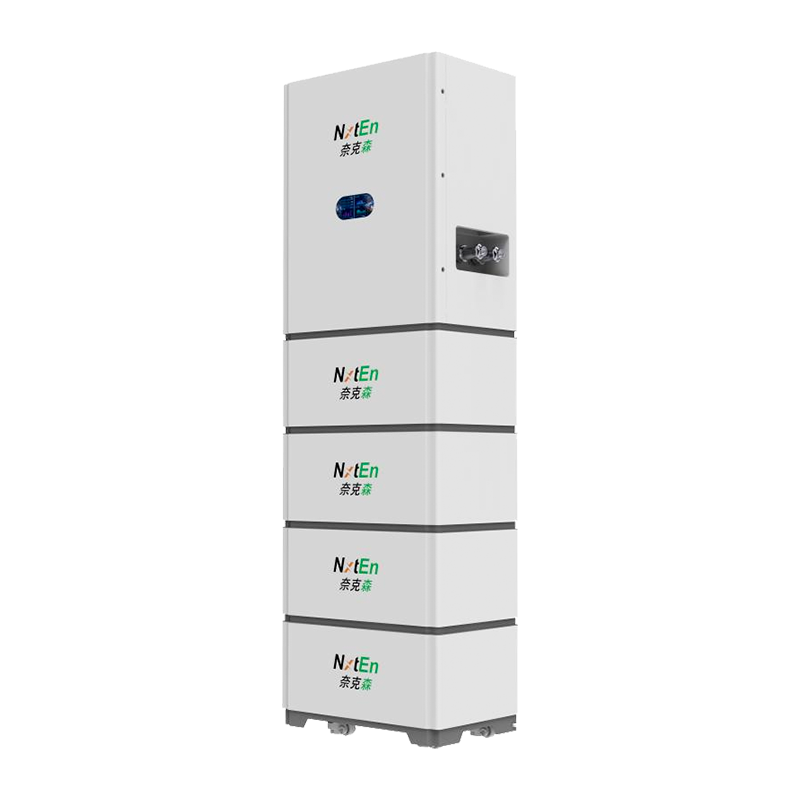 All-in-One Residential Energy Storage SystemProduct Description: The All-in-One Residential Energy Storage System is an all-in-one cabinet-style product that combines a hybrid inverter with stackable battery mod...View Product →
Parallel battery connection is simple arithmetic wrapped around a set of installation rules. Capacity adds, voltage holds, and the bank only performs as well as its weakest equalizing path.
If nothing else sticks, remember four things: connect on the diagonal or a busbar, keep every branch cable the same length and gauge, fuse each branch at the battery, and match cells before you match quantities. Do those and a parallel bank behaves like one large battery. Skip them and it behaves like several batteries arguing.

 +86-0574-62165160
 +86-18958222822
 No. 95-1, South Guangming Road, Simen Town, Yuyao City, Zhejiang Province, China