

 English
 русский
Home / News / Industry News / mAh to Watt Hours Explained: Voltage, Capacity and Real Runtime Checks
Industry News

Content
Two storage packs sit side by side on a supplier data sheet. One is listed as 20,000 mAh, the other as 74 Wh. Most buyers assume the first one is the stronger product. In fact both hold exactly the same amount of energy, and the purchase decision made on the bigger number is usually the wrong one.
Watt hours measure energy — the work a battery can actually deliver. Milliamp hours measure charge — current flowing over a period of time. You can compare watt hours directly. You can only compare mAh when you know the voltage it was measured at.
What follows is the conversion, the four places where numbers get quietly distorted, and the checks worth running before a purchase order is signed.
Convert charge into energy with one line: Wh = (mAh × V) ÷ 1,000, where V is the nominal voltage of the cell or pack the mAh rating was measured on. Run it backwards and mAh = (Wh × 1,000) ÷ V.
Because the divisor is fixed and the voltage is not, identical mAh figures can describe very different products. 10,000 mAh at 3.7 V is 37 Wh. The same 10,000 mAh at 12 V is 120 Wh — more than triple the energy hidden behind an identical-looking headline.
That is why airlines cap carry-on batteries at 100 Wh instead of quoting a mAh limit, and why freight paperwork for storage cabinets is written in kWh. Watt hours are an absolute energy quantity; they do not shift when the internal architecture changes.
Keep one anchor number in mind: at 51.2 V, 1 kWh is roughly 19.5 Ah. It converts most LFP data sheets in seconds and exposes inflated capacity claims long before a sample ships.
Use the table as a cross-check rather than a replacement for a data sheet. Values assume nominal voltage and are rounded, with no depth-of-discharge or conversion losses applied.
| Charge (mAh) | 3.2 V (LFP cell) | 3.7 V (NMC cell) | 12 V | 51.2 V |
|---|---|---|---|---|
| 5,000 | 16 Wh | 18.5 Wh | 60 Wh | 256 Wh |
| 10,000 | 32 Wh | 37 Wh | 120 Wh | 512 Wh |
| 20,000 | 64 Wh | 74 Wh | 240 Wh | 1,024 Wh |
| 50,000 | 160 Wh | 185 Wh | 600 Wh | 2,560 Wh |
| 100,000 | 320 Wh | 370 Wh | 1,200 Wh | 5,120 Wh |
Read the diagonal, not the row. The same 20,000 mAh is a 74 Wh pocket device at cell voltage and a 1 kWh battery at 51.2 V.
Cell data sheets stay in mAh because that is how cells are graded and matched on a production line. System data sheets move to kWh because that is the unit a site consumes. Almost all confusion starts at the join between those two layers.
A 280 Ah LFP cell appears as 280,000 mAh on some supplier pages — a big, memorable number. At 3.2 V nominal it stores about 896 Wh. Wire sixteen of them in series and you have 51.2 V and 14.3 kWh, with the mAh figure untouched. Add a second string in parallel and capacity doubles again while voltage stays exactly where it was.
The layering matters when you buy. Battery cells are graded and matched before they become battery modules, and modules before packs. A mAh number quoted at one layer rarely survives intact at the next.
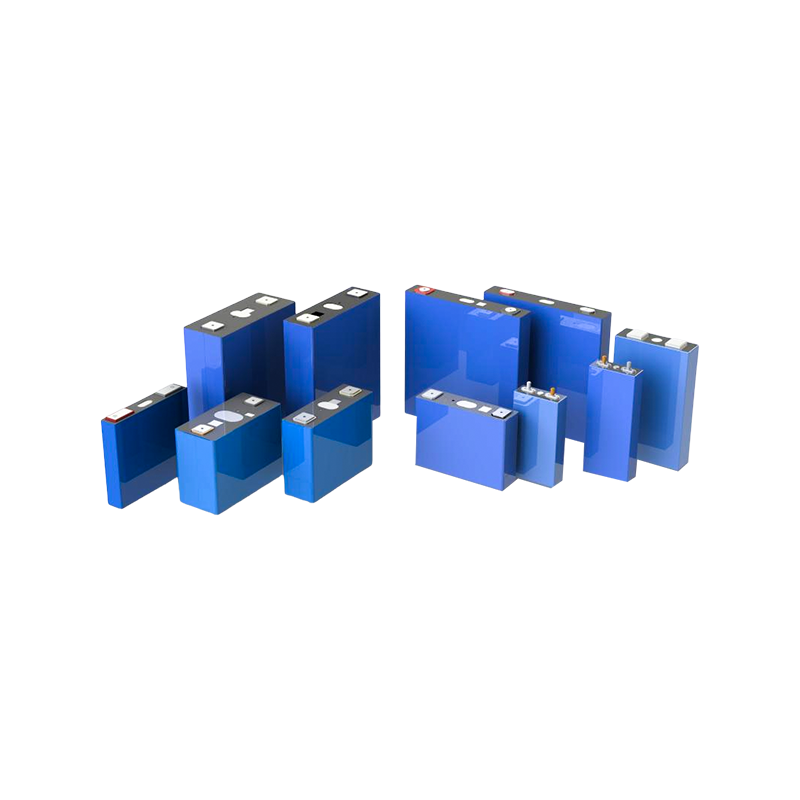 LFP Battery Cells for Energy Storage SystemsLFP cell series spanning 50–314 Ah with model-dependent cycle life, positioned for residential, commercial, grid and industrial storage builds.View Product →
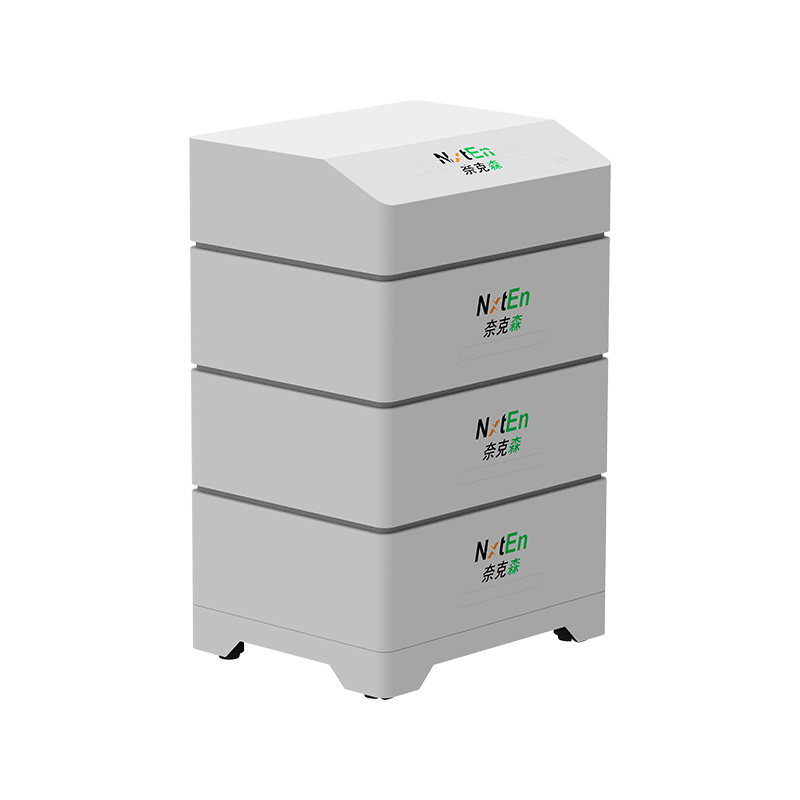
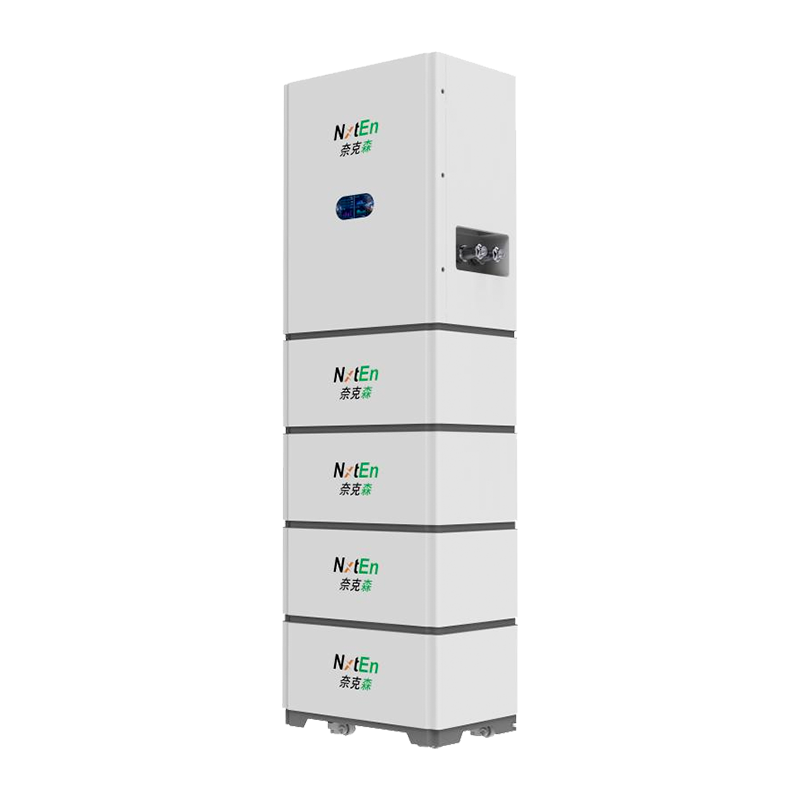
A household drawing 14 kWh a day and wanting 8 kWh of overnight cover should be shopping in kWh from the first email. The formula can produce an equivalent mAh figure at a given voltage, but nobody sizes a home system that way, and no installer should.
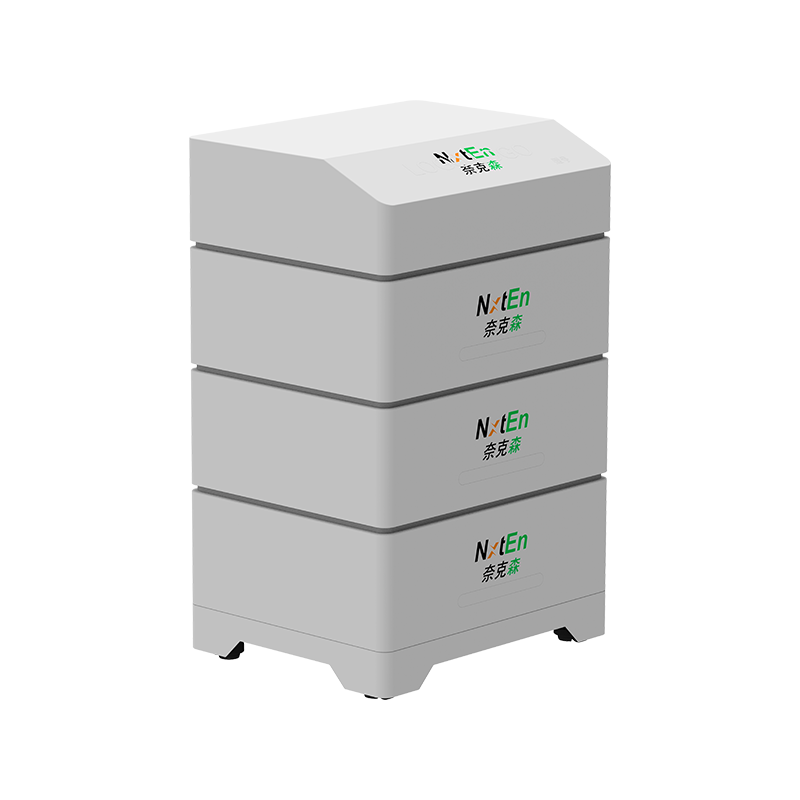 Residential Energy Storage Pack with Modular CapacityStackable home battery expandable from 5 to 40 kWh, with IP65 enclosure, app monitoring, backup switching and compatibility with major solar inverters.View Product →
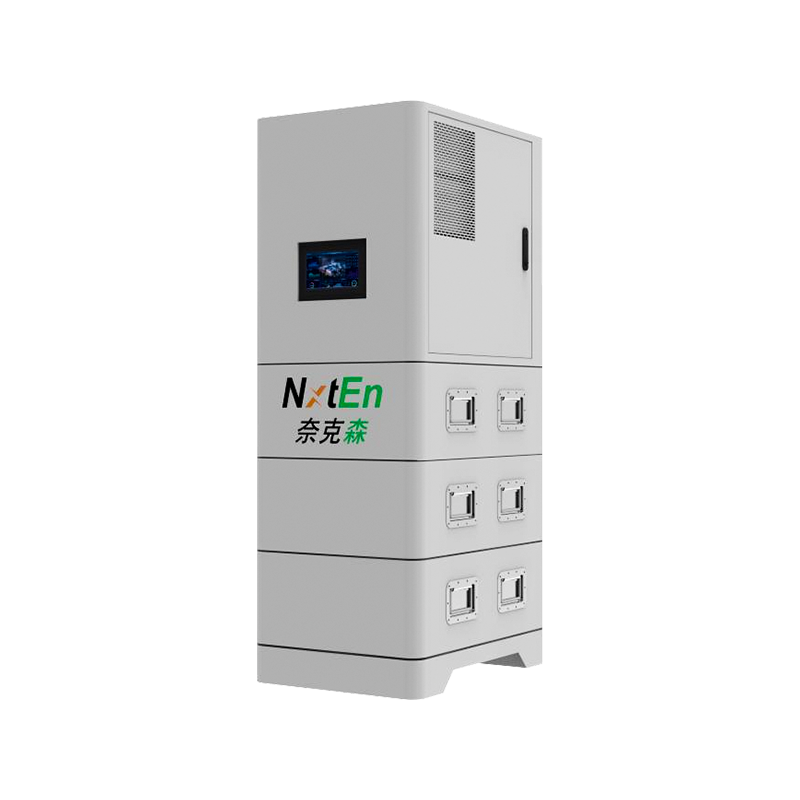
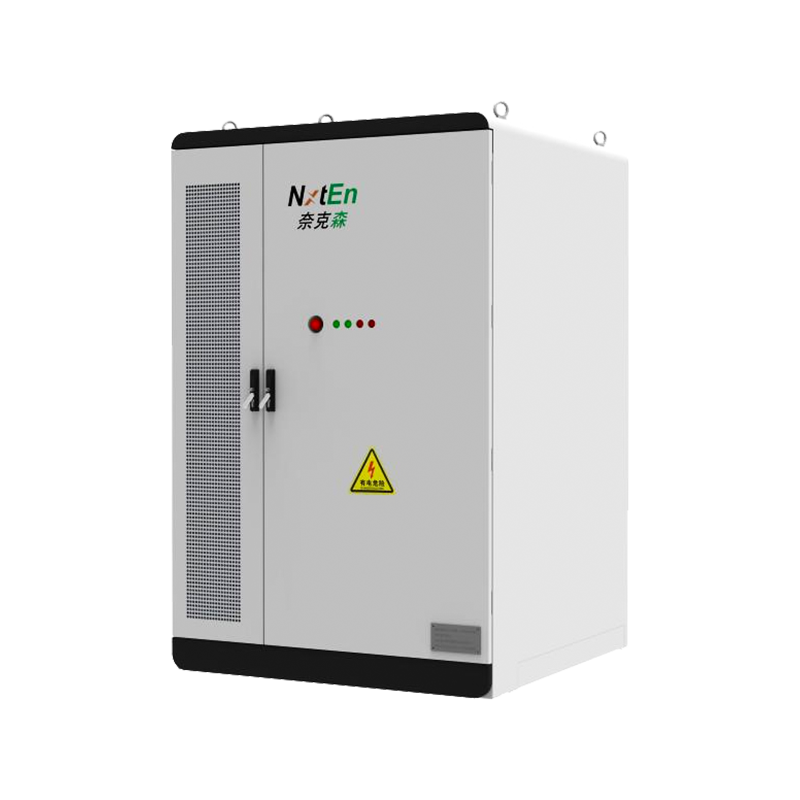
Commercial sites repeat the same arithmetic at a larger scale. A 215–233 kWh liquid-cooled cabinet covers a mid-size industrial load with headroom for peak shaving; a 400 kWh unit suits longer autonomy or heavier duty cycles. Both are already labelled in kWh, which happens to be the unit the electricity bill arrives in.
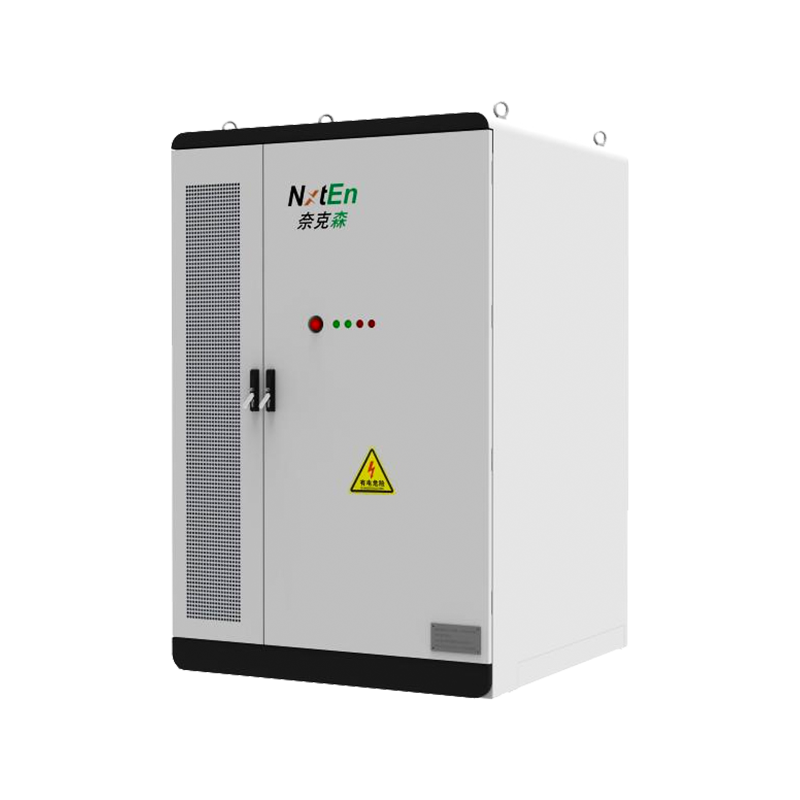 Liquid-Cooled Commercial and Industrial Storage CabinetOutdoor LFP cabinet at 215/233 kWh with liquid cooling, bidirectional PCS and scalable EMS for single-unit or parallel C&I deployment.View Product →
When cells, modules, packs and systems come from one manufacturer, the mAh-to-Wh conversion stays consistent from the module data sheet through to the container nameplate. That consistency is worth more than it sounds: mismatched voltage bases are one of the most common causes of a system arriving undersized.
If a specification gives you only mAh, ask for the voltage before you compare anything. Then convert once, in writing, and keep the number in the quotation. Watt hours are the only figure that survives a change of voltage, chemistry or configuration — and the only one worth putting into a purchase order.

 +86-0574-62165160
 +86-18958222822
 No. 95-1, South Guangming Road, Simen Town, Yuyao City, Zhejiang Province, China

